

For centuries, this golden liquid has served as a cornerstone of the Mediterranean diet. Many people cherish it for its rich flavor and potential to support heart health. Understanding the various olive oil uses can help you integrate this natural fat into your daily meals effectively.

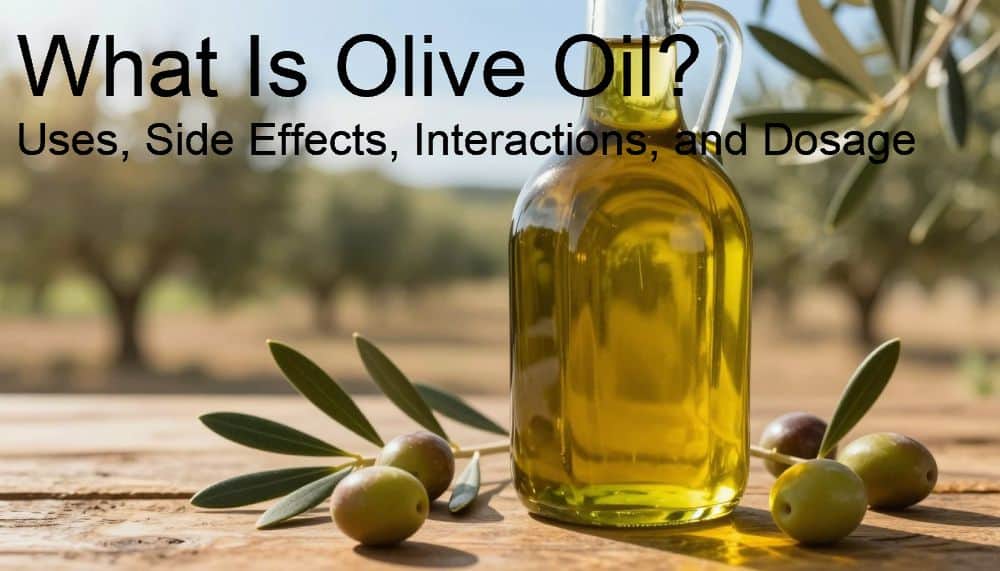
Beyond the kitchen, this pantry staple offers unique wellness properties that contribute to a balanced lifestyle. Whether you are drizzling it over fresh greens or using it for light sautéing, it remains a versatile choice for home cooks. Making informed decisions about your consumption is essential for maximizing these benefits.
This guide explores the different varieties available and how they impact your body. We will also cover important safety information, including potential interactions with medications and recommended daily amounts. Our goal is to provide a clear, evidence-based resource to help you navigate the world of Olive Oil with confidence.
Key Takeaways
- It serves as a primary healthy fat source in the Mediterranean diet.
- Diverse culinary applications make it a versatile addition to most recipes.
- Proper storage is vital to maintain the quality and nutritional profile.
- Consulting a doctor is recommended if you take specific daily medications.
- Understanding dosage helps you balance caloric intake with health goals.
Understanding Olive Oil and Its Nutritional Profile
Understanding the properties of olive oil begins with looking at how it is made and what it contains. This golden liquid is far more than just a cooking staple; it is a complex food that has supported human health for centuries.
By examining the science behind this fat, we can better appreciate why it remains a cornerstone of nutritious diets worldwide. The way it is processed directly impacts the final quality and the density of its beneficial nutrients.
The Origin and Extraction Process
The journey of this liquid gold starts with the olive fruit, which grows on the ancient olive tree. When olive oil comes from the fruit, the method of extraction is vital to maintaining its integrity.
Traditional methods often involve cold-pressing, which avoids high heat and chemicals. This gentle process ensures that the compounds in olive oil remain intact, preserving the natural flavor and health-promoting qualities of the final product.
Key Compounds and Antioxidants in Olive Oil
Beyond its basic structure, olive oil contains a wide array of bioactive substances. These include powerful antioxidants in olive oil, such as various olive oil polyphenols that help protect your cells from oxidative stress.
Many people are surprised to learn that the olive leaf also contributes to the overall health profile of the plant. These natural compounds work together to provide the unique benefits associated with regular consumption.
Monounsaturated Fats and Oleic Acid
One of the most significant features of this oil is its fatty acid composition. The oil is rich in monounsaturated fats, which are widely considered a heart-healthy choice compared to saturated fats.
Specifically, the oleic acid in olive oil makes up the majority of its fat content. Because olive oil is rich in these healthy fats, it helps maintain a balanced diet. Furthermore, the oil is rich in vitamin E, which adds another layer of nutritional value to your daily intake.
The Different Types of Olive Oil
Not all olive oils are created equal, and knowing the differences is key to your health. When you browse the shelves, you will find various types of olive oil that differ based on how the olive fruit is processed. Understanding these distinctions helps you choose the best product for your kitchen.
Extra Virgin Olive Oil: The Gold Standard
Extra virgin olive oil is widely considered the gold standard of the industry. This oil comes from the first cold pressing of the olives and is extracted through mechanical means without the use of heat or chemicals. Because it is minimally processed, this oil contains the highest concentration of beneficial compounds.
The effects of extra virgin olive oil on health are well-documented due to its high nutrient density. It is rich in antioxidants and healthy fats that support your body. Many experts recommend this grade for raw applications, such as drizzling over salads or finishing dishes.
Virgin Olive Oils and Refined Varieties
While extra virgin is the top tier, other virgin olive oils also exist. These are produced using similar mechanical methods but may have slightly higher acidity levels or minor flavor defects. Virgin olive oil contains many of the same nutrients, though often in lower amounts than the extra virgin variety.
In contrast, refined olive oil undergoes a process to remove impurities, odors, or high acidity. This process often strips away some of the natural flavor and beneficial olive oil polyphenols. You will often find these oils labeled simply as “olive oil” or “light olive oil” in stores.
Understanding Olive Pomace Oil
Olive pomace oil is the lowest grade available for consumption. It is extracted from the solid remains of the olive fruit after the initial pressing. Manufacturers use heat and chemical solvents to pull the remaining oil from the pulp.
- Extra Virgin: Highest quality, cold-pressed, rich in polyphenols.
- Virgin: Good quality, mechanical extraction, slightly higher acidity.
- Refined: Processed to remove defects, neutral flavor.
- Pomace: Solvent-extracted, best for high-heat cooking.
| Oil Type | Extraction Method | Best Use |
|---|---|---|
| Extra Virgin | Mechanical | Salads/Finishing |
| Refined | Chemical/Heat | Frying |
| Pomace | Solvent | High-heat cooking |
Ultimately, the way olives and olive oil are handled determines the final nutritional profile. While virgin olive oil polyphenols are abundant in premium oils, refined options offer a more neutral taste. Always check the label to ensure you are getting the quality you expect.
Key Health Benefits of Olive Oil
Scientific research continues to uncover how the properties of olive oil contribute to a healthier lifestyle. This golden liquid is more than just a pantry staple; it is a powerhouse of nutrients that support your body from the inside out. By choosing high-quality options, you can tap into a variety of potential benefits that promote overall vitality.
Heart Health and Cardiovascular Protection
The extra virgin olive oil variety is widely celebrated for its ability to support heart health. Olive oil is rich in monounsaturated fats, which are essential for maintaining healthy cholesterol levels. Regular intake of olive oil helps improve arterial function, reducing the risk of heart disease over time.
Many studies suggest that olive oil may help reduce cardiovascular strain. By replacing saturated fats with this heart-healthy alternative, you provide your body with the protective effects it needs to thrive. It is clear that olive oil is good for maintaining a strong and resilient cardiovascular system.
Anti-inflammatory Effects and Chronic Disease
Chronic inflammation is often at the root of many long-term health issues. Fortunately, the anti-inflammatory effects of olive oil can help mitigate these risks. The compounds in olive oil, particularly polyphenols, work to neutralize harmful free radicals in the body.
Because olive oil is associated with lower levels of systemic inflammation, it serves as a foundational element for disease prevention. This benefit of olive oil makes it a smart addition to any diet focused on longevity. When you consume it regularly, olive oil can also support your immune system‘s natural defenses.
Olive Oil and Blood Pressure Management
Maintaining healthy blood pressure is vital for long-term wellness. Research indicates that oil can lower blood pressure when used as part of a balanced diet. The unique profile of extra-virgin olive oil allows it to interact positively with your vascular system.
Olive oil also helps improve blood flow, which reduces the workload on your heart. Many people find that olive oil could be a simple, natural tool for managing their blood pressure levels. By integrating this oil into your meals, you take a proactive step toward better heart health.
Cognitive Function and Long-term Wellness
Beyond physical health, the antioxidants in olive oil may improve cognitive function as you age. Emerging evidence suggests that the protective effects of these compounds extend to the brain. Olive oil is associated with better mental clarity and a reduced risk of cognitive decline.
Incorporating this healthy fat into your daily routine is a sustainable habit for long-term wellness. Olive oil helps nourish your body and mind, ensuring you feel your best for years to come. Ultimately, the properties of olive oil make it an essential component of a health-conscious lifestyle.
Practical Uses for Olive Oil in Your Daily Life
Discovering the versatility of olive oil can transform your daily kitchen and self-care routines. While many people view it strictly as a food item, olive oil uses extend far beyond the stovetop. Because olive oil is used in so many ways, it has become a true household staple for those seeking natural alternatives.
Cooking and Culinary Applications
When selecting an oil for cooking, stability is a key factor to consider. Unlike sunflower oil, which can break down quickly under high heat, high-quality olive oil maintains its integrity during many standard cooking processes. You will find that olive oil for cooking adds a rich, complex flavor profile to your favorite dishes.
Applying Olive Oil to the Skin and Hair
The application of olive oil as a natural moisturizer is a time-honored tradition. By applying olive oil to dry patches, you can lock in hydration and provide a protective barrier against environmental stressors. Furthermore, olive oil to the skin and hair can help improve texture and shine, making it a popular choice for those who prefer simple, plant-based beauty products.
Ways to Add Olive Oil to Your Diet
There are many creative ways to add olive oil to your meals without much effort. You can easily add olive oil to fresh salads, roasted vegetables, or even as a finishing drizzle over soups. Olive oil can also be used as a healthy fat substitute in baking, including olive oil in your morning smoothies for a boost of healthy fats. Finding new ways to incorporate olive oil into your diet is a simple step toward better wellness.
| Usage Category | Primary Benefit | Recommended Type |
|---|---|---|
| Sautéing | Heat Stability | Virgin Olive Oil |
| Salad Dressing | Flavor Enhancement | Extra Virgin |
| Skin Moisturizing | Deep Hydration | Cold-Pressed |
Olive oil also serves as a versatile base for homemade marinades and dips. By experimenting with these methods, you can enjoy the unique health properties of this liquid gold every single day.
Recommended Dosage and Consumption Guidelines
Understanding the ideal dosage of olive oil helps you avoid excess calories while enjoying its rich nutrients. Finding the perfect balance in your daily olive oil consumption is essential for maximizing the health benefits associated with this Mediterranean staple. By following simple guidelines, you can safely integrate this liquid gold into your routine.
How Much Olive Oil Should You Consume Daily?
Most nutrition experts suggest that a moderate olive oil intake of one to two tablespoons per day is sufficient for most adults. This amount provides enough healthy fats to support heart health without significantly impacting your total caloric budget. When you consume olive oil in these amounts, you gain access to powerful antioxidants and monounsaturated fats.
It is important to remember that the consumption of olive oil should replace less healthy fats in your diet rather than simply being added on top of them. Using it as a primary cooking fat is the most effective way to manage your daily amounts of olive oil. This strategy ensures you receive the potential benefits without overindulging.
| Usage Method | Recommended Amount | Primary Benefit |
|---|---|---|
| Cooking/Sautéing | 1 Tablespoon | Heart Health |
| Salad Dressing | 1 Tablespoon | Nutrient Absorption |
| Daily Supplement | 1 Teaspoon | Antioxidant Boost |
The Benefits of Drinking Olive Oil
Some wellness enthusiasts advocate for the practice of drinking olive oil straight from a spoon. While there is no scientific consensus that drinking olive oil is superior to using it in food, it remains a popular trend. The benefits of drinking olive oil are largely the same as those gained through culinary use, as the body processes the healthy fats similarly.
“The most important factor in a healthy diet is not the specific method of ingestion, but the consistent inclusion of high-quality fats that support long-term cardiovascular function.”
— Nutrition Research Journal
If you choose to take olive oil directly, ensure it is high-quality extra virgin oil to maximize the benefit of olive oil. However, most people find it more enjoyable to use olive oil as part of a balanced meal. Whether you drizzle it over vegetables or sip a small amount, the key is quality.
Consistency and Regular Intake
The regular intake of olive oil is far more impactful than occasional, large doses. When you consume olive oil as part of your olive oil daily routine, your body can better utilize the anti-inflammatory compounds. Making it a habit to have a tablespoon of olive oil with your meals creates a sustainable path to wellness.
Incorporating olive oil every day helps maintain stable blood pressure and supports cognitive function over time. The intake of olive oil helps create a foundation for a healthier lifestyle when paired with whole foods. Stay consistent, and you will likely notice the positive health benefits of olive oil in your overall vitality.
Potential Side Effects and Safety Considerations
While olive oil is a staple in many kitchens, understanding its safety profile is essential for your well-being. Most people can enjoy this Mediterranean treasure without any issues, yet being aware of how your body reacts to it remains a smart practice. By staying informed, you can maximize the health benefits while avoiding unnecessary discomfort.
Is Olive Oil Generally Safe?
For the vast majority of the population, olive oil is generally safe when used as part of a balanced diet. It is widely recognized as a heart-healthy fat that provides essential nutrients and antioxidants. Research consistently shows that olive oil is likely safe for daily intake in moderate amounts.
Because olive oil is safe for most culinary applications, it remains a preferred choice for cooking and dressing salads. However, individual health needs vary, and it is always wise to listen to your body. If you have specific health concerns, consulting a professional is the best way to ensure it fits your lifestyle.
Adverse Effects of Excessive Consumption
Even healthy foods can lead to issues if you consume them in large quantities. The consumption of olive oil should be balanced with other nutrient-dense foods to avoid an excessive caloric intake. Because it is a fat, it is calorie-dense, and overindulgence may lead to unwanted weight gain.
Furthermore, the effect of olive oil on your digestive system can be noticeable if you suddenly increase your intake. In some cases, olive oil can cause mild digestive distress or loose stools. To avoid these adverse effects, it is best to introduce it into your diet gradually.
Allergic Reactions and Skin Sensitivity
While rare, some individuals may experience sensitivities. It is important to recognize that olive oil may trigger allergic reactions in very specific cases, though this is uncommon. If you notice any unusual symptoms after ingestion, it is best to stop use and consult a doctor.
When applying the oil topically, some people might experience skin irritation. This is particularly true for those with existing skin conditions or extreme sensitivity. Always perform a small patch test before using it as a moisturizer to monitor for any potential side effects of olive oil on your skin.
| Consideration | Risk Level | Recommended Action |
|---|---|---|
| Weight Gain | Moderate | Practice portion control |
| Digestive Issues | Low | Increase intake slowly |
| Skin Sensitivity | Low | Perform a patch test |
| Allergic Reaction | Very Low | Monitor for symptoms |
Drug Interactions and Precautions
Integrating olive oil into your daily routine requires a thoughtful approach, especially if you are managing specific health conditions. While this natural fat is generally beneficial, olive oil could interact with certain medications in ways that require your attention. Being proactive about your dietary choices ensures that you support your wellness goals safely.
Interactions with Blood Pressure Medications
Many people use dietary changes to support their cardiovascular health. Because oil can lower blood pressure, it may have an additive effect when combined with prescription antihypertensive drugs. If you already take medication for heart disease, your olive oil intake should be monitored to avoid blood pressure that drops too low.
This oil can lower blood pressure naturally, which is a positive trait for most individuals. However, those on strong medication should discuss their diet with a doctor. This simple step ensures that your oil can lower blood pressure safely without causing dizziness or lightheadedness.
Olive Oil and Blood Sugar Management
Managing glucose levels is a common goal for many adults. Research suggests that olive oil helps stabilize these levels, which is beneficial for metabolic health. Furthermore, olive oil reduces the risk of spikes after meals, making it a smart choice for your pantry.
When you take olive oil regularly, it olive oil may help reduce the need for aggressive dietary restrictions. By supporting insulin sensitivity, olive oil reduces the burden on your body. Always track your levels closely if you are already using medication to manage your blood sugar.
Consulting Healthcare Providers Before Supplementing
Before you begin using olive oil supplements or concentrated olive leaf extracts, you must speak with a professional. These concentrated forms are much stronger than culinary oil and may interact differently with your system. For instance, the combination of olive oil and flaxseed oil might provide unique benefits, but only a doctor can confirm if this is right for your specific needs.
Professional guidance is essential because olive oil improves overall wellness markers, but it is not a replacement for prescribed treatments. Your doctor can help you determine if olive oil may improve your current regimen. Always prioritize safety when adding new supplements to your daily routine.
| Interaction Type | Potential Effect | Recommended Action |
|---|---|---|
| Blood Pressure Meds | Additive lowering effect | Monitor levels daily |
| Diabetes Medication | Improved glucose control | Consult your physician |
| Supplements | Concentrated potency | Check for interactions |
Incorporating Olive Oil into a Mediterranean Diet
Integrating olive oil into your diet is a cornerstone of the famous Mediterranean diet. This traditional eating pattern is widely recognized for its ability to support heart health and overall vitality. By choosing to consume olive oil as your primary fat source, you align your habits with one of the most researched nutritional frameworks in the world.

The Role of Olive Oil in Longevity
A diet rich in olive oil is strongly linked to increased longevity and a lower risk of various chronic health conditions. When you add olive oil to your meals, you provide your body with essential antioxidants that fight oxidative stress. This regular intake of olive oil is a key reason why populations in the Mediterranean region often enjoy longer, healthier lives.
Pairing Olive Oil with Other Healthy Fats
To create a truly balanced nutritional profile, it is helpful to pair your oil with other nutrient-dense foods. Including nuts, seeds, and fatty fish alongside your use of olive oil ensures you receive a wide spectrum of fatty acids. This combination is associated with olive oil consumption patterns that maximize nutrient absorption and satiety.
| Fat Source | Primary Benefit | Best Use |
|---|---|---|
| Extra Virgin Olive Oil | High Polyphenol Content | Salad Dressings |
| Walnuts | Omega-3 Fatty Acids | Snacking |
| Chia Seeds | Fiber and Minerals | Smoothies |
Sustainable Habits for Long-term Health
Making olive oil as part of your daily routine is easier than you might think. Whether you use olive oil every day for sautéing vegetables or drizzling it over fresh greens, consistency is the secret to success. Remember that olive oil is good for your body when used as a replacement for saturated fats. By making olive oil daily a priority, you are investing in your future wellness and adopting a sustainable lifestyle that is associated with olive oil benefits for years to come.
Ultimately, olive oil is used by millions to maintain a healthy weight and support cardiovascular function. When you incorporate including olive oil into your kitchen, you are embracing a time-tested tradition. Start small, stay consistent, and enjoy the long-term wellness benefits that olive oil is associated with in this balanced approach to eating.
Conclusion
Making small changes to your daily habits creates a lasting impact on your long-term wellness. Integrating high-quality olive oil into your meals serves as a simple yet effective step toward better heart health and vitality.
You hold the power to transform your kitchen into a hub of nutrition. Selecting premium brands like California Olive Ranch or Lucini Italia ensures you receive the best antioxidants in every drop of olive oil. Focus on consistency to reap the full rewards of this Mediterranean staple.
Your journey toward improved well-being starts with informed choices. Reach out to your primary care physician if you have specific medical concerns or questions about how olive oil fits into your current treatment plan. Small, intentional adjustments lead to significant improvements in your overall quality of life.
We invite you to share your favorite recipes or personal experiences with this golden elixir. Your feedback helps others discover the joy of healthy cooking. Start your path to a vibrant life today by making olive oil a permanent fixture in your pantry.
FAQ
What makes extra virgin olive oil different from refined olive oil?
Extra virgin olive oil is considered the gold standard because it is extracted directly from the olive fruit using natural mechanical methods without the use of heat or chemicals. This process preserves the compounds in olive oil, such as olive oil polyphenols and antioxidants in olive oil. In contrast, refined olive oil undergoes processing that removes many of these protective effects, leaving it with fewer nutrients than virgin olive oils.
How does olive oil consumption benefit heart health?
Olive oil intake is a cornerstone of the Mediterranean diet and is widely recognized for its ability to reduce the risk of heart disease. Olive oil may help by improving cholesterol levels and reducing inflammation. Specifically, the oleic acid in olive oil—a type of healthy fat—and the fact that the oil can lower blood pressure make it an essential tool for maintaining heart health. Regular intake of olive oil is also linked to better arterial function.
Can I use olive oil for cooking at high temperatures?
Yes! You can certainly use olive oil for most of your home cooking needs. While some people prefer sunflower oil for its neutral taste, extra-virgin olive oil has a high smoke point and is very stable due to its high content of monounsaturated fats. Using olive oil for cooking not only adds flavor but also ensures you are getting the health benefits of olive oil in your daily meals.
Is it beneficial to drink olive oil straight every morning?
Many people choose to drink olive oil or take olive oil by the spoonful to jumpstart their digestion and metabolism. The benefits of drinking olive oil include a concentrated dose of anti-inflammatory effects. A common dosage is one tablespoon of olive oil daily. However, you don’t have to drink it plain to see results; you can just as easily add olive oil to salads, soups, or bread to consume olive oil effectively.
Are there any potential side effects of consuming too much olive oil?
While olive oil is likely safe for the vast majority of people, much olive oil consumed at once can lead to a few adverse effects, such as a mild laxative effect or upset stomach. Because olive oil is rich in calories, excessive olive oil consumption could also lead to weight gain if not balanced within your total daily caloric needs. If you have specific health conditions, it is always best to monitor how your body reacts when you first add olive oil to your diet.
Can I apply olive oil to my skin and hair?
Absolutely. Applying olive oil to the skin is an ancient beauty practice that remains popular today because olive oil is rich in vitamin E and K. The application of olive oil acts as a deep moisturizer and can provide protective effects against oxidative stress. Many people also find that olive oil helps soften hair and soothe a dry scalp. Just be aware that for some, olive oil can cause clogged pores if used too heavily on the face.
Does olive oil interact with any medications or health conditions?
Olive oil may improve blood sugar sensitivity and oil can lower blood pressure, which is generally a positive effect of olive oil. However, if you are already taking medications for diabetes or hypertension, you should consult your doctor, as olive oil could theoretically increase the effects of those drugs. Additionally, those considering olive oil supplements alongside olive oil and flaxseed oil should seek professional advice to ensure there are no unwanted potential side effects.
What is the significance of the olive tree in the production of high-quality oil?
The olive tree (Olea europaea) is a hardy, ancient tree that produces the olive fruit from which all olive oils are derived. The quality of the oil often depends on the region where the tree grows and how the olives are harvested. From the olive leaf to the final bottled product, every part of the process affects the properties of olive oil, ensuring it remains a nutrient-dense staple that improves overall wellness and supports longevity.