

Have you ever wondered what makes that crunchy topping on your favorite holiday pie so special? Native to North America, these buttery tree nuts offer a rich flavor that elevates almost any dish. Pecans are more than just a tasty snack; they provide essential components for a balanced and healthy lifestyle.
Understanding the pecan nutrition profile helps you make better choices at the grocery store. Many people enjoy them for their heart-healthy fats and various health benefits. Each serving packs every vital nutrient your body craves to stay energized throughout your busy day.

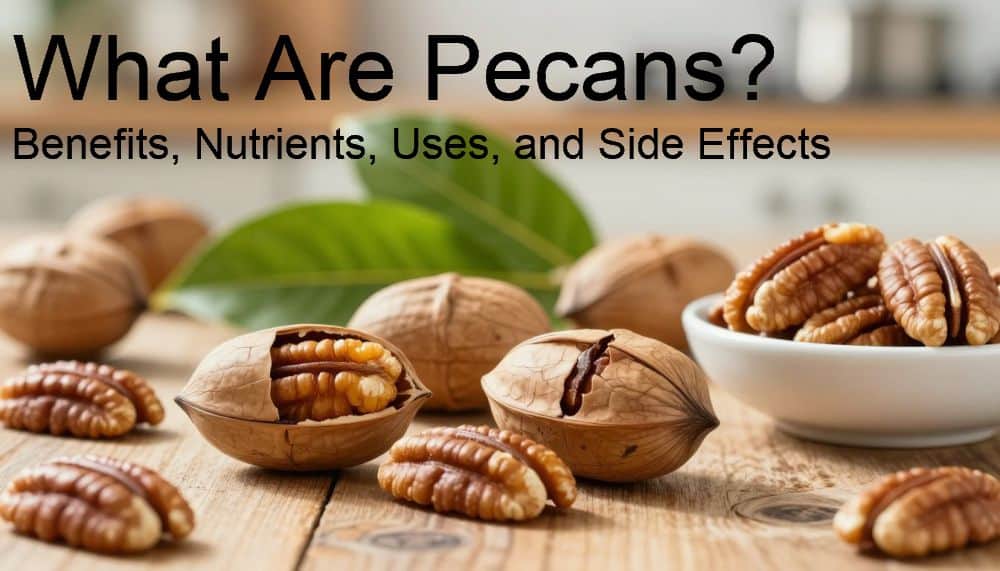
Exploring the nutrition facts reveals why these nuts remain a staple in pantries across the United States. Whether you toss them in a fresh salad or bake them into bread, their versatility truly shines. You will find that adding these southern favorites to your routine is incredibly simple and rewarding.
Key Takeaways
- Rich source of antioxidants that protect your cells.
- High in monounsaturated fats for better heart health.
- Provides essential minerals like zinc, fiber, and manganese.
- Versatile ingredient for both sweet and savory recipes.
- Potential side effects exist for individuals with nut allergies.
- Excellent energy booster for an active American lifestyle.
Understanding Pecans: Origins and Characteristics
The pecan tree, with its origins deeply rooted in North America, produces one of the most nutritious nuts available today. Understanding the history and characteristics of pecans can enhance our appreciation for this valuable resource.
Native to North America
Pecans are native to North America, specifically thriving in the southern United States and northern Mexico. The trees are known for their longevity, with some living up to 300 years or more. This native status has allowed pecans to become an integral part of the ecosystem and culture in these regions.
Varieties of Pecans and Harvesting
There are numerous varieties of pecans, each with its unique characteristics and flavors. Some of the most popular varieties include Pawnee, Desirable, and Stuart.
- Pawnee: Known for its early maturation and rich flavor.
- Desirable: Recognized for its large size and excellent taste.
- Stuart: A popular variety due to its high yield and quality.
Pecans are typically harvested between October and December, with the exact timing depending on the variety and climate conditions. The harvesting process involves shaking the trees to release the nuts, which are then collected from the ground.
Pecan harvesting is a complex process that requires careful planning and execution to ensure the quality of the nuts. Modern farming techniques have made it possible to cultivate pecans on a large scale, making them more accessible to consumers worldwide.
The Nutritional Profile of Pecans
The nutritional profile of pecans is a treasure trove of health benefits. Pecans are rich in essential nutrients, making them a valuable addition to a healthy diet.
Key Vitamins and Minerals Found in Pecans
Pecans are an excellent source of various vitamins and minerals. They are particularly rich in vitamin E, a powerful antioxidant that plays a crucial role in maintaining overall health. Additionally, pecans contain zinc, an essential mineral that supports immune function and wound healing.
Some of the key vitamins and minerals found in pecans include:
- Vitamin E
- Zinc
- Magnesium
- Potassium
Healthy Fats and Fiber Content
Pecans are known for their high content of healthy fats and dietary fiber. The healthy fats in pecans are primarily monounsaturated fats, which are beneficial for heart health.
Understanding Monounsaturated Fats
Monounsaturated fats are a type of unsaturated fat that can help lower levels of LDL (bad) cholesterol and increase levels of HDL (good) cholesterol. This can contribute to a reduced risk of heart disease.
The fiber content in pecans also supports digestive health and can help with satiety, making them a satisfying snack.
Heart Health and Cardiovascular Benefits
Rich in healthy fats, antioxidants, and fiber, pecans play a significant role in supporting cardiovascular health. The unique combination of nutrients in pecans makes them an excellent snack for those looking to improve their heart health.
Impact on Cholesterol Levels and LDL
Pecans have been shown to have a positive effect on cholesterol levels, particularly in reducing LDL (low-density lipoprotein) cholesterol, often referred to as “bad” cholesterol. The monounsaturated and polyunsaturated fats present in pecans help in lowering LDL levels, thereby reducing the risk of plaque buildup in arteries.
Key ways pecans impact cholesterol levels:
- Rich in monounsaturated fats that help lower total and LDL cholesterol
- Contain polyunsaturated fats that support overall heart health
- High in fiber, which can help bind to bile acids and reduce cholesterol production in the liver
Reducing the Risk of Heart Disease
The antioxidants and other nutrients in pecans also contribute to reducing the risk of heart disease. By improving blood lipid profiles, lowering blood pressure, and preventing the oxidation of LDL cholesterol, pecans help in maintaining healthy cardiovascular function.
Benefits of pecans in reducing heart disease risk:
- Antioxidants like vitamin E and polyphenols help protect against oxidative stress and inflammation
- Magnesium and potassium content helps in maintaining healthy blood pressure levels
- Arginine, an amino acid found in pecans, supports the health of blood vessels
Incorporating pecans into a balanced diet can be a delicious and effective way to support heart health and reduce the risk of cardiovascular disease.
Managing Blood Sugar and Metabolic Health
The nutritional profile of pecans makes them an excellent choice for those looking to manage their blood sugar and improve metabolic health. Pecans are rich in healthy fats, fiber, and antioxidants, which collectively contribute to their beneficial effects on blood sugar levels and metabolic well-being.
Pecans and Type 2 Diabetes Management
Pecans can be particularly beneficial for individuals managing type 2 diabetes. The monounsaturated fats present in pecans have been shown to improve insulin sensitivity, thereby aiding in the regulation of blood sugar levels. Additionally, the fiber content in pecans helps slow down the absorption of sugar into the bloodstream, preventing sudden spikes in blood glucose.
Key Nutrients in Pecans for Diabetes Management:
- Magnesium: Plays a crucial role in glucose metabolism and insulin sensitivity.
- Healthy Fats: Improve insulin sensitivity and reduce inflammation.
- Fiber: Slows down sugar absorption and aids in blood sugar control.
How Pecans Help Stabilize Energy Levels
Pecans are not only beneficial for blood sugar management but also help in stabilizing energy levels. The combination of healthy fats, protein, and fiber in pecans provides a sustained release of energy, reducing the likelihood of energy crashes and cravings for unhealthy snacks.
The Role of Pecans in Energy Stabilization:
| Nutrient | Function |
|---|---|
| Healthy Fats | Provide sustained energy and support metabolic health. |
| Protein | Helps in maintaining and repairing body tissues, supporting overall energy. |
| Fiber | Slows down digestion, preventing sudden drops in energy. |
Incorporating pecans into your diet can be a delicious and effective way to manage blood sugar and stabilize energy levels. With their rich nutritional profile and versatility in cooking, pecans are an excellent addition to a healthy diet.
Antioxidant Power and Immune Support
Pecans are a rich source of antioxidants, including vitamin E, which plays a crucial role in protecting cells from damage and supporting immune health.
Pecans contain a variety of antioxidants that help in neutralizing free radicals, thereby reducing oxidative stress and inflammation in the body. Vitamin E is one of the key antioxidants found in pecans, known for its ability to support immune function.
The Role of Vitamin E and Other Antioxidants
Vitamin E is a fat-soluble vitamin that acts as an antioxidant, protecting cell membranes from damage caused by free radicals. Besides vitamin E, pecans are also a source of other antioxidants, including polyphenols and flavonoids, which contribute to their overall antioxidant capacity.
Key Antioxidants in Pecans:
- Vitamin E: Protects cell membranes and supports immune function.
- Polyphenols: Contribute to antioxidant properties and reduce inflammation.
- Flavonoids: Enhance the overall antioxidant capacity.
Zinc and Its Importance for Immune Health
In addition to antioxidants, pecans are a good source of zinc, an essential mineral that plays a significant role in immune health. Zinc is crucial for the activation of cells important for immunity, such as T-cells.
| Nutrient | Benefit |
|---|---|
| Vitamin E | Antioxidant properties, supports immune function |
| Zinc | Essential for immune cell activation and function |
| Polyphenols | Antioxidant properties, reduces inflammation |

The combination of vitamin E, other antioxidants, and zinc in pecans makes them an excellent snack for supporting immune health and overall well-being.
Brain Function and Cognitive Health
Brain health is another area where pecans show their nutritional prowess. Pecans contain a rich mix of nutrients that support brain function and cognitive health. These nutrients not only nourish the brain but also play a role in maintaining its health over time.
Nutrients That Support Brain Health
Pecans are rich in several nutrients that are particularly beneficial for brain health, including monounsaturated fats, antioxidants, and magnesium. Monounsaturated fats help to support the health of brain cells, while antioxidants protect against oxidative stress, which can damage brain cells. Magnesium plays a crucial role in neuronal function and synaptic plasticity.
| Nutrient | Benefit to Brain Health |
|---|---|
| Monounsaturated Fats | Supports brain cell health |
| Antioxidants (Vitamin E) | Protects against oxidative stress |
| Magnesium | Essential for neuronal function and synaptic plasticity |
Long-term Benefits of Eating Nuts
Regularly eating nuts like pecans as part of a balanced diet can have long-term benefits for cognitive health. Studies have suggested that nut consumption is associated with a lower risk of cognitive decline and dementia in older adults. The combination of healthy fats, antioxidants, and other nutrients in pecans makes them an excellent snack for supporting long-term brain health.
Eating a handful of pecans daily can be a simple yet effective way to support your brain health over time. Incorporating pecans into your diet, along with other nuts and a variety of other nutrient-dense foods, can contribute to overall well-being and potentially reduce the risk of age-related cognitive issues.
Culinary Uses and Incorporating Pecans into Your Diet
Pecans are not just a tasty snack on their own, but they can also elevate a wide range of culinary creations. With their rich flavor and versatility, it’s easy to incorporate pecans into your daily meals and snacks.
Pecans as a Snack
Enjoying pecans as a snack is one of the simplest ways to reap their nutritional benefits. A handful of pecans makes for a satisfying and healthy snack that can curb hunger between meals. You can enjoy them on their own or seasoned with a variety of spices for added flavor. Some popular ways to season pecans include using herbs and spices like cinnamon, nutmeg, or chili powder.
- Roasted pecans with a sprinkle of sea salt
- Pecans tossed with maple syrup and cinnamon
- Spicy pecans seasoned with chili powder and garlic
Popular Pecan Recipes and Pairings
Pecans are a staple ingredient in many delicious recipes, adding texture, flavor, and nutrition. They pair well with a variety of foods, from cheeses and chocolates to fruits and other nuts.
Some popular pecan recipes include:
- Pecan pie, a classic Southern dessert
- Pecan-crusted chicken or fish for a crunchy protein dish
- Salads with toasted pecans for added crunch
Using Pecan Oil and Chopped Pecans
Pecan oil and chopped pecans are versatile ingredients that can be used in a variety of dishes. Pecan oil has a rich, nutty flavor that makes it ideal for salad dressings and sautéing. Chopped pecans can be used as a topping for yogurt, oatmeal, or salads, or as an ingredient in baked goods and desserts.
Tips for using pecan oil:
- Use it as a finishing oil for salads or roasted vegetables
- Add it to marinades for meats or vegetables
- Mix it with other oils for a unique flavor profile
By incorporating pecans, pecan oil, and chopped pecans into your cooking and baking, you can add flavor, texture, and nutrition to a wide range of dishes.
Selecting, Storing, and Preparing Quality Pecans
The quality of pecans can significantly impact their flavor and nutritional value, making proper selection, storage, and preparation essential. Whether you’re using them in baking, cooking, or as a snack, understanding how to handle pecans can make a big difference in your culinary endeavors.
How to Toast Pecans for Better Flavor
Toasting pecans is a simple process that enhances their flavor and texture. To toast pecans, preheat your oven to 350°F (175°C). Spread the pecans in a single layer on a baking sheet. Toast them in the oven for 5-7 minutes, or until fragrant and lightly browned. It’s essential to keep an eye on them to prevent burning. Once toasted, let the pecans cool completely before using them in your recipes.
Toasting brings out the natural oils in pecans, intensifying their rich, buttery flavor. This process makes them a perfect addition to salads, baked goods, and snacks. You can also toast pecans in a skillet on the stovetop over medium heat, stirring frequently, until they are fragrant and lightly browned.
Tips for Keeping Fresh Pecans
To maintain the freshness of pecans, it’s crucial to store them properly. Keep pecans in an airtight container to protect them from moisture and other flavors. You can store them in a cool, dry place for up to six months. For longer storage, consider refrigerating or freezing them. Refrigeration can keep pecans fresh for up to a year, while freezing can preserve them for even longer.
Raw Pecans vs. Roasted Pecans
Both raw and roasted pecans have their own benefits. Raw pecans are a good choice if you’re looking for a lower-calorie option or if you plan to use them in recipes where they’ll be cooked further. Roasted pecans, on the other hand, have a richer flavor and crunchier texture, making them a great snack on their own or a delicious addition to various dishes.
When choosing between raw and roasted pecans, consider the recipe and your personal preference. If you’re looking for a more intense pecan flavor, roasted might be the better choice. For a lighter taste or a specific recipe requirement, raw pecans could be more suitable.
Potential Side Effects and Considerations
While pecans offer numerous health benefits, it’s essential to be aware of potential side effects and considerations. Consuming pecans can be part of a healthy diet, but certain individuals may need to be cautious due to specific health concerns or dietary restrictions.
Allergies and Tree Nut Sensitivities
One of the primary concerns with pecan consumption is the risk of allergic reactions. Tree nut allergies, including pecan allergies, are relatively common and can cause severe reactions, including anaphylaxis. Individuals with known tree nut allergies should avoid pecans altogether.
Symptoms of a tree nut allergy can include:
- Hives or itchy skin
- Swelling of the face, lips, tongue, or throat
- Stomach cramps
- Diarrhea or nausea
- Anaphylaxis, a severe, life-threatening allergic reaction
Caloric Density and Portion Control
Pecans are calorie-dense due to their high fat content. While the fats in pecans are primarily healthy unsaturated fats, consuming them in excess can still contribute to weight gain.
To enjoy the benefits of pecans while managing calorie intake, it’s crucial to practice portion control. A serving size of pecans is typically considered to be about 1 ounce, or roughly 19 halves.
How Many Pecans Per Day?
Determining the ideal daily intake of pecans depends on various factors, including overall diet, health goals, and individual calorie needs. A commonly recommended serving size is about 1 ounce (28g) per day.
Here’s a simple guide to help with portion control:
| Serving Size | Approximate Pecans | Calories |
|---|---|---|
| 1 ounce | 19 halves | 196 |
| 1/4 cup | 12 halves | 100 |
| 1/2 cup | 24 halves | 200 |
By being mindful of portion sizes and overall dietary needs, individuals can enjoy the nutritional benefits of pecans while minimizing potential drawbacks.
Conclusion
Pecans are a nutrient-rich food that offers numerous health benefits when incorporated into a balanced diet. With their rich nutritional profile, pecans support heart health, help manage blood sugar levels, and provide antioxidant power to boost overall health.
Incorporating pecans into daily meals can be easy and delicious, from snacking on them raw to using them in a variety of recipes. By understanding the benefits and uses of pecans, individuals can make informed choices about adding this versatile nut to their diet.
As part of a healthy lifestyle, pecans can contribute to improved overall health and well-being. With their unique flavor and numerous health benefits, pecans are a great addition to a variety of dishes, supporting a healthy and balanced lifestyle.
FAQ
What are the primary health benefits of pecans?
The health benefits of pecans are truly impressive health benefits that cover everything from heart health to digestive health. Pecans provide a good source of fiber, healthy fats, and essential vitamins and minerals. Because pecans are rich in antioxidant compounds, they help protect your cells from damage, while the fiber found in pecan nuts supports a healthy gut.
How do pecans support heart health and cholesterol levels?
A: Pecans helpsupport heart health by significantly impacting cholesterol levels. They are loaded with monounsaturated fats, which can help lower ldl (bad cholesterol). Research suggests that incorporating pecans into a balanced diet can reduce the risk of heart disease and improve overall cardiovascular health. Unlike some other snacks, pecans are naturally sodium-free, making them even better for your heart.
Are pecans a good choice for people with type 2 diabetes?
Yes, pecans can help manage blood sugar levels. Because pecans contain a combination of fiber and healthy fats, they have a low glycemic index. This means they help stabilize energy levels rather than causing a spike, which is especially helpful for those managing type 2 diabetes. Eating nuts like pecans as a snack can keep you full longer and support metabolic health.
What vitamins and minerals are found in pecans?
A: Pecans also provide a variety of essential nutrients. You will find that pecans are an excellent source of vitamin e and zinc. In fact, zinc is a key mineral found in pecans that is vital for immune health. Additionally, pecan nutrition includes manganese, which is important for bone health, and B vitamins that assist with energy metabolism.
How do pecans compare to other nuts like the walnut?
While both are delicious, pecans are a type of tree nut that is native to North America. Compared to a walnut, pecan halves often have a sweeter, more buttery flavor. While both are high in antioxidant power, pecans are also one of the highest sources of flavonoids. Both are great for brain function, but pecans are a great source of different specific phytonutrients.
How many pecans should I eat each day?
A standard serving of pecans is about one ounce of pecans, which is roughly 19 pecan halves or a handful of pecans. Consuming this many pecans per day allows you to enjoy the nutrient density without overdoing the calories. Whether you choose raw pecans or roasted pecans, sticking to this portion size is ideal for overall health.
What is the best way to include pecans in my diet?
There are so many ways to add pecans to your routine! You can toast pecans to toss into a fresh salad, use chopped pecans as a crunchy topping for oatmeal, or even use pecan oil for light sautéing. For those who love baking, pecan pie is a classic, but you can also find many savory pecan recipes that use quality pecans to crust fish or chicken.
Are there any side effects to be aware of when you eat pecans?
Since the pecan is a tree nut, individuals with nut allergies should avoid them. Also, because pecans are high in calories due to their healthy fats, consuming pecans in excess could lead to weight gain if not balanced with other foods. However, when you include pecans mindfully, they offer more facts about pecans to love than to worry about.
How should I store fresh pecans to keep them from spoiling?
After pecans are harvested from the pecan tree, they can spoil quickly due to their high oil content. To keep fresh pecans tasting great, store them in an airtight container in the refrigerator for up to six months, or in the freezer for up to two years. This ensures you always have quality pecans ready to add pecans to your diet whenever you need a boost of brain health and energy.