Vision loss is a major concern for many, but with proactive eye care, you can significantly reduce your risk. This article provides comprehensive tips to prevent vision loss and maintain optimal eye health. From understanding the causes to implementing practical strategies, we’ll guide you towards preserving your eyesight and keeping your eyes healthy.
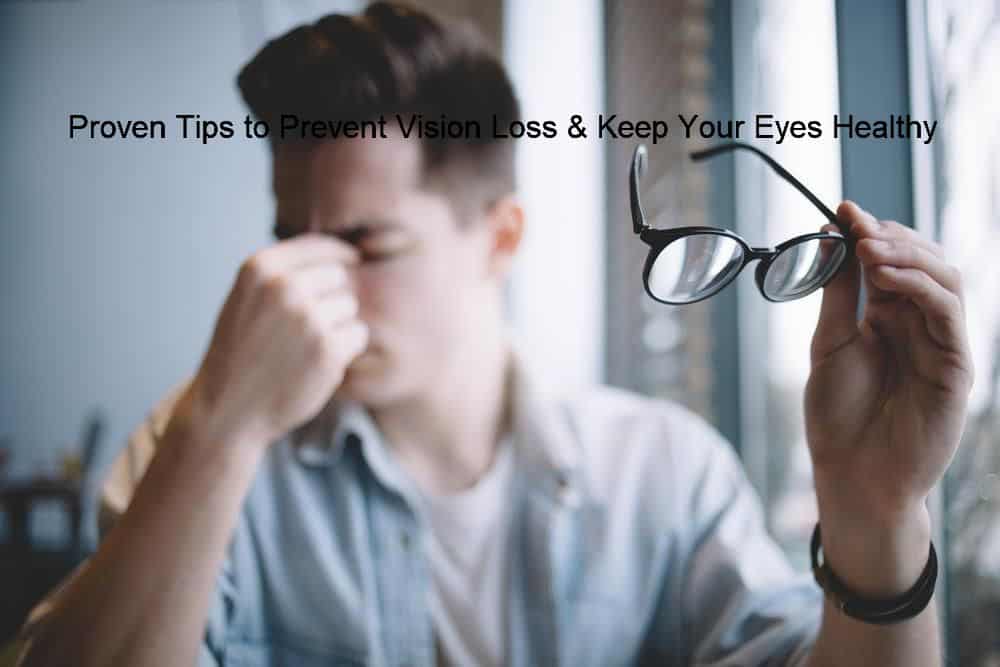
Understanding Vision Loss
What is Vision Loss?
Vision loss refers to the impairment or complete absence of eyesight. It ranges from blurry vision and minor vision impairment to complete blindness. Recognizing the early signs of vision problems is crucial for timely intervention and to protect your vision. Many eye diseases can lead to vision loss if left untreated.
Common Causes of Vision Loss
Here are several factors that can lead to vision loss. These can be broadly categorized as:
- Specific eye diseases like age-related macular degeneration, glaucoma, cataracts, and diabetic retinopathy.
- Systemic health conditions, such as high blood pressure and diabetes, which can contribute to eye diseases.
Eye injuries and certain infections are other potential causes, highlighting the need for eye protection.
Impact of Vision Loss on Daily Life
The impact of vision loss on daily life can be profound, affecting everything from reading and driving to recognizing faces. Vision impairment can lead to decreased independence, increased risk of falls, and reduced quality of life. Therefore, taking steps to prevent vision loss is essential for maintaining overall well-being and independence.
Importance of Eye Health
Why Eye Health Matters
Eye health is integral to overall well-being, influencing our ability to perform daily tasks and enjoy life to the fullest. Maintaining healthy vision allows us to work, learn, and interact with the world around us effectively. Prioritizing eye care is crucial for preserving our independence and quality of life.
Signs of Healthy Vision
Here are some indicators of healthy vision. These include:
- Clear eyesight at various distances
- The ability to distinguish colors accurately
- Comfortable eye movement without strain
Absence of symptoms like blurry vision, double vision, or frequent headaches also indicates good eye health. Monitoring these signs helps ensure your eyes are functioning optimally and allows you to protect your vision.
Role of Regular Eye Exams
Regular eye exams are vital for maintaining eye health and detecting eye problems early. A comprehensive eye exam can identify early signs of eye diseases, such as glaucoma and macular degeneration, often before symptoms appear. Early detection enables timely treatment, helping to prevent vision loss and preserve your eyesight.
Tips to Protect Your Eyes
Maintain a Balanced Diet for Eye Health
Maintaining a balanced diet rich in vitamins and nutrients is crucial for optimal eye health. Including foods high in antioxidants, such as leafy green vegetables and colorful fruits, can protect your eyes from damage. Incorporating omega-3 fatty acids, found in fish and flaxseeds, supports vision health and can help prevent vision loss. A healthy diet is one of the most important tips to protect your eyesight.
Stay Hydrated to Protect Your Eyesight
Staying adequately hydrated is essential for maintaining overall health, including the health of your eyes. Dehydration can lead to dry eye, causing discomfort and potentially affecting vision. Drinking plenty of water helps keep your eyes lubricated and functioning properly. Hydration is a simple yet effective way to keep your eyes healthy and protect your vision.
Limit Screen Time and Use Proper Lighting
In today’s digital age, limiting screen time is crucial for preventing digital eye strain. Prolonged exposure to screens can cause blurry vision, dry eye, and headaches. Taking regular breaks and using proper lighting can alleviate these symptoms. Adjusting screen brightness and using blue light filters are additional tips to protect your eyes and prevent vision impairment.
Managing Health Conditions for Vision Protection
Controlling High Blood Pressure
Controlling high blood pressure is vital for protecting your eyesight. High blood pressure can damage the blood vessels in the eyes, leading to serious eye conditions and potentially causing vision loss. Regular monitoring of blood pressure, along with a healthy lifestyle, can reduce the risk of vision problems associated with hypertension. Thus, managing high blood pressure is paramount for maintaining eye health.
Managing Diabetes to Prevent Eye Disease
Managing diabetes is critical for preventing diabetic retinopathy, a leading cause of vision loss. High blood sugar levels can damage the blood vessels in the retina, leading to vision impairment and even blindness. Regular comprehensive eye exams and strict control of blood sugar can help detect and manage diabetic eye disease early, preserving your eyesight. This is a key factor in preventing vision loss.
Understanding Genetic Risks for Eye Diseases
Understanding your eye health history and genetic predispositions is essential for proactive eye care. Many eye diseases, such as age-related macular degeneration and glaucoma, have a genetic component. Knowing your family history allows for early detection and intervention, helping to prevent vision loss. Regular dilated eye exam and discussions with your eye doctor are crucial for managing potential risks for eye diseases.
Consulting with Eye Care Professionals
When to Visit an Eye Doctor
It is crucial to visit an eye doctor regularly, even if you don’t notice any eye problems or blurry vision. Regular eye exams can detect early signs of many eye diseases. If you experience sudden changes in vision, eye pain, or persistent dry eye, seek immediate attention from an eye care provider to prevent vision loss.
The Importance of a Dilated Eye Exam
A dilated eye exam is a critical component of comprehensive eye care. During this exam, the eye doctor uses eye drops to widen the pupils, allowing a better view of the retina and optic nerve. This enables the detection of eye diseases like macular degeneration, glaucoma, and other eye conditions, which can lead to vision loss if untreated. Early detection protects your vision.
What to Expect During an Eye Exam
During a comprehensive eye exam, your eye doctor will assess your vision health and check for any signs of eye disease. The exam typically includes tests for visual acuity, eye movement, and pressure inside the eye. Don’t hesitate to discuss any concerns or changes in your eyesight with your eye care provider. It is the most important thing to protect your eyes.
Additional Tips to Prevent Vision Loss
Protecting Your Eyes from UV Light
Protecting your eyes from ultraviolet (UV) light is crucial for maintaining eye health and protecting your vision. Prolonged exposure to UV rays can increase the risk of cataracts and macular degeneration, leading to vision impairment or even blindness. Wear sunglasses that block 100% of UVA and UVB rays whenever you’re outdoors to prevent vision loss. These are important tips to protect.
Using Safety Eyewear for Protection
Wearing safety eyewear is essential for protecting your eyes from eye injuries during activities that pose a risk, such as sports, construction, or working with tools. Eye injuries are a significant cause of vision impairment, but wearing appropriate eye protection can prevent vision loss. Ensure your safety glasses fit well and provide adequate coverage to protect your eyes and vision.
Quitting Smoking for Better Vision Health
Quitting smoking is one of the best things you can do for your overall health, including your eye health. Smoking increases the risk of developing macular degeneration, cataracts, and other eye diseases that can lead to vision loss. By quitting smoking, you can significantly reduce your risk of developing many eye conditions and protect your vision and prevent vision loss.
Conclusion
Preventing vision loss involves a combination of proactive eye care, healthy lifestyle choices, and regular visits to your eye doctor. By understanding the causes of vision loss, implementing these tips to protect your eyesight, and taking care of your overall health, you can significantly reduce the risk of vision impairment and maintain healthy vision for years to come. Remember, protect your vision and vision loss can be prevented.