Red peppers are a vibrant and nutritious addition to any meal, offering a sweet, slightly tangy flavor and a wealth of health benefits.
Rich in antioxidants and essential nutrients, they are a versatile ingredient used in a variety of dishes, from stir-fries to salads.
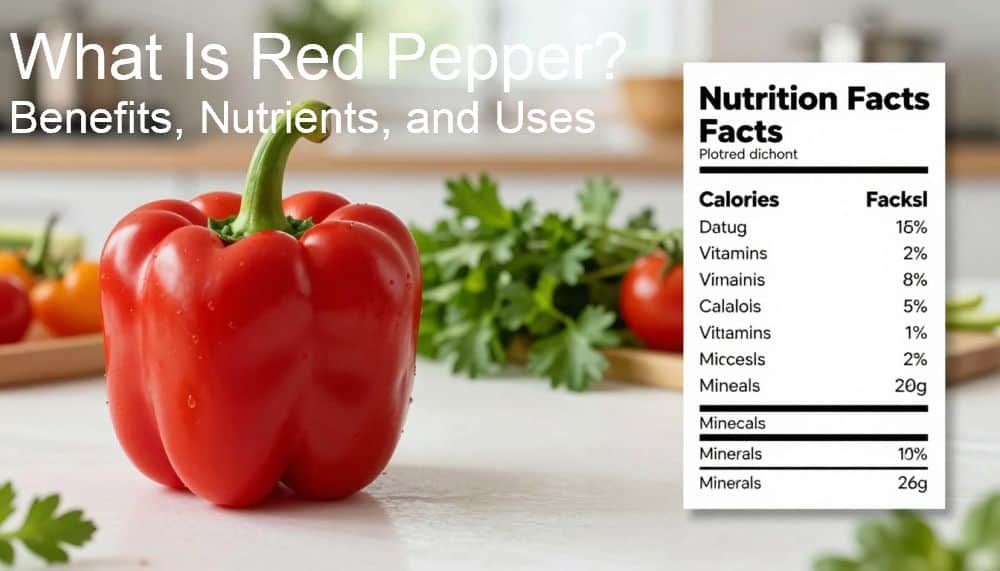
Understanding the nutrition facts of red peppers can help you appreciate their value in a healthy diet. They are not only delicious but also packed with vitamins and minerals.
Key Takeaways
- Red peppers are rich in antioxidants and nutrients.
- They offer numerous health benefits when consumed.
- Red peppers are versatile and can be used in various dishes.
- Understanding their nutrition facts can enhance dietary choices.
- Incorporating red peppers into your diet can be simple and beneficial.
The World of Red Pepper: Varieties and Characteristics
From sweet bell peppers to hot chili peppers, the red pepper family is rich in history and culinary applications. Red peppers, a staple in many global cuisines, offer not just a burst of color but also a depth of flavor and texture that enhances various dishes.
Origin and History from Central and South America
Red peppers originated in Central and South America, where they were first domesticated over 6,000 years ago. The history of red peppers is as vibrant as their color, with evidence of their use in ancient civilizations such as the Aztecs and Mayans. They were not only used as a food ingredient but also held cultural and medicinal significance.
Sweet Bell Peppers vs. Chili Peppers
The red pepper family includes both sweet bell peppers and chili peppers, which differ significantly in taste and usage. Sweet bell peppers are mild and sweet, making them perfect for salads and stir-fries. Chili peppers, on the other hand, are known for their heat and are used to add spice to dishes. The Scoville scale is used to measure the heat of chili peppers, ranging from mildly hot to extremely spicy.
| Pepper Type | Taste | Scoville Heat Units (SHU) |
|---|---|---|
| Sweet Bell Peppers | Mild, Sweet | 0 |
| Jalapeño Peppers | Mildly Hot | 2,500 – 8,000 |
| Habanero Peppers | Very Hot | 100,000 – 350,000 |
Color Development: From Green to Red
Red peppers start their life cycle as green. As they ripen, they undergo a series of color changes due to the breakdown of chlorophyll and the accumulation of other pigments. The ripening process involves a series of biochemical reactions that not only change the color but also enhance the sweetness and reduce the bitterness of the peppers.
Nutritional Profile of Red Bell Peppers
Red bell peppers stand out for their impressive nutritional profile, making them a valuable component of a balanced diet. They are rich in essential nutrients while being low in calories, making them an excellent choice for health-conscious individuals.
Macronutrients and Calorie Content
Red bell peppers are primarily composed of water and carbohydrates, with a negligible amount of fat and protein. One medium-sized red bell pepper contains approximately 60 calories, making it a low-calorie snack option. The fiber content in red bell peppers contributes to digestive health and satiety.
Vitamin C and Other Vitamins
Red bell peppers are an excellent source of vitamin C, providing more than 100% of the recommended daily intake per medium pepper. They also contain other vitamins such as vitamin B6 and vitamin A (in the form of beta-carotene), contributing to their nutritional value. Vitamin C is crucial for immune function and skin health.
Minerals and Phytonutrients
Red bell peppers contain a range of minerals including potassium, manganese, and copper. These minerals play vital roles in heart health, bone health, and immune function. Additionally, red bell peppers are rich in phytonutrients, which are plant-based compounds that have been linked to various health benefits.
Carotenoids and Antioxidant Compounds
The vibrant red color of these peppers is due to their high content of carotenoids, particularly lycopene and beta-carotene. These compounds have antioxidant properties, helping to protect cells from damage and reduce the risk of chronic diseases. The antioxidant capacity of red bell peppers makes them a valuable addition to a healthy diet.
Impressive Health Benefits of Red Peppers
Red peppers are not only a vibrant addition to various dishes, but they also offer numerous health benefits that can enhance overall well-being. Rich in vitamins, minerals, and antioxidants, red peppers are a nutritious ingredient that can be easily incorporated into daily meals.
Immune System Enhancement
Red peppers are an excellent source of vitamin C, which plays a crucial role in boosting the immune system. A robust immune system helps protect against infections and diseases, making vitamin C-rich foods like red peppers a valuable part of a healthy diet.
Anti-inflammatory Properties
The antioxidants and phytonutrients in red peppers have potent anti-inflammatory properties. Chronic inflammation is associated with various health conditions, and consuming anti-inflammatory foods like red peppers can help mitigate this risk.
Cancer-Fighting Potential
Red peppers contain various bioactive compounds that have been studied for their cancer-fighting potential. These compounds may help inhibit the growth of cancer cells and reduce the risk of certain types of cancer.
Metabolic Health Support
The nutrients in red peppers, including vitamin B6 and potassium, support metabolic health. A healthy metabolism is essential for energy production, weight management, and overall well-being.
| Health Benefit | Nutrient/Compound | Effect |
|---|---|---|
| Immune System Enhancement | Vitamin C | Boosts immune function |
| Anti-inflammatory Properties | Antioxidants, Phytonutrients | Reduces inflammation |
| Cancer-Fighting Potential | Bioactive Compounds | Inhibits cancer cell growth |
| Metabolic Health Support | Vitamin B6, Potassium | Supports metabolic function |
Red Peppers and Eye Health
With their high content of beneficial compounds, red peppers are a great food for supporting eye health. The key to their beneficial effects on vision lies in their rich composition of carotenoids.
Carotenoids for Vision Protection
Red peppers are an excellent source of carotenoids, particularly beta-carotene and lutein, which are crucial for maintaining healthy vision. These compounds help protect the eyes by absorbing blue light and reducing oxidative stress. A diet rich in these carotenoids can significantly contribute to the health of the retina.
- Beta-carotene converts to vitamin A in the body, essential for the retina.
- Lutein and zeaxanthin protect the macula from damage.
Preventing Macular Degeneration and Cataracts
The carotenoids in red peppers play a significant role in preventing age-related macular degeneration (AMD) and cataracts. Studies have shown that a higher intake of lutein and zeaxanthin can lower the risk of developing these conditions. Incorporating red peppers into your diet can be a delicious way to support your eye health.
- Eating red peppers regularly can support eye health.
- The antioxidants in red peppers help reduce the risk of eye diseases.
By including red peppers in your meals, you’re not only adding flavor but also taking a proactive step towards protecting your vision.
Cardiovascular Benefits of Consuming Red Peppers
Red peppers are not just a flavorful addition to meals; they also offer substantial cardiovascular advantages. Rich in vitamins, minerals, and antioxidants, red peppers can play a significant role in maintaining heart health.
Blood Pressure Regulation
The potassium content in red peppers helps in regulating blood pressure by balancing out the effects of sodium in the body. Additionally, the antioxidants present can improve overall vascular function, contributing to healthier blood pressure levels.
Cholesterol Management
Red peppers are rich in antioxidants and fiber, which can aid in managing cholesterol levels. The fiber helps in reducing the absorption of cholesterol into the bloodstream, while antioxidants prevent the oxidation of LDL cholesterol, a factor in the development of atherosclerosis.
Heart Disease Risk Reduction
Consuming red peppers can contribute to a reduction in heart disease risk due to their high content of vitamins A and C, potassium, and fiber. These nutrients work together to improve heart health by enhancing vascular function, reducing inflammation, and maintaining healthy cholesterol levels.
Red Peppers for Weight Management and Digestion
Red peppers offer numerous health benefits, particularly in the areas of weight management and digestive health. Their unique combination of low calories, high nutrient density, and metabolism-boosting properties makes them an excellent addition to a healthy diet.
Low-Calorie Nutrient Density
Red peppers are characterized by their low-calorie nutrient density, making them an ideal food for those managing their weight. With only about 49 calories per 100 grams, they provide a feeling of fullness without significantly contributing to daily calorie intake. They are rich in vitamins and minerals, particularly vitamin C and vitamin B6.
Metabolism-Boosting Properties
The metabolism-boosting properties of red peppers are attributed to their capsaicin content. Capsaicin can help increase metabolism and enhance fat burning, supporting weight loss efforts. Additionally, it can help reduce appetite, making it easier to stick to a diet.
Fiber Content and Digestive Health
Red peppers are a good source of dietary fiber, which is crucial for maintaining healthy digestion. A high-fiber diet can prevent constipation, promote regular bowel movements, and support the growth of beneficial gut bacteria. The fiber content in red peppers contributes to overall digestive health.
Incorporating red peppers into your diet can be a simple and effective way to support weight management and improve digestive health. With their versatility in cooking and numerous health benefits, red peppers are a valuable addition to a balanced diet.
- Low in calories
- High in nutrient density
- Boosts metabolism
- Supports digestive health
Culinary Uses and Preparation Methods
The culinary world is enriched by the vibrant flavor and crunchy texture of red peppers, making them a staple in many kitchens. Red peppers can be used in a variety of dishes, from simple salads to complex sauces, offering a range of flavors and textures that enhance any meal.
Raw Applications in Salads and Snacks
Raw red peppers are a great addition to salads, providing a sweet and crunchy texture. They can be sliced, diced, or chopped and added to various salad recipes. Additionally, raw red peppers make a great snack when paired with hummus or other dips.
Roasting and Grilling Techniques
Roasting or grilling red peppers brings out their natural sweetness and adds a smoky flavor. To roast, simply place the peppers in the oven at 400°F (200°C) for about 30-40 minutes, or until the skin is charred. Grilling achieves a similar effect and can be done over medium heat for about 10-15 minutes per side.
Stuffed Pepper Recipes
Stuffed peppers are a popular dish that can be made with red peppers. Simply fill the peppers with a mixture of rice, meat, and spices, and bake until tender. This recipe is highly versatile and can be adjusted to suit various tastes.
Sauces, Dips, and Condiments
Red peppers can be used to make a variety of sauces and dips. They can be blended into a salsa, added to a dip for extra flavor, or used to make a condiment like a pepper jelly.
Preserving Methods
To enjoy red peppers throughout the year, they can be preserved through various methods. Freezing, pickling, and dehydrating are all effective ways to preserve the flavor and nutritional value of red peppers.
| Preservation Method | Description | Best For |
|---|---|---|
| Freezing | Chop or slice peppers and freeze in airtight containers or freezer bags. | Soups, stews, and cooked dishes |
| Pickling | Slice peppers and soak in a brine solution (vinegar, salt, sugar). | Adding a tangy flavor to dishes |
| Dehydrating | Dry sliced or whole peppers using a dehydrator or oven on low heat. | Snacks, spice blends, and teas |
How to Select, Store, and Prepare Red Peppers
To get the most out of your red peppers, it’s essential to know how to pick, store, and prepare them. Red peppers are a versatile ingredient, adding sweetness and crunch to various dishes.
Choosing Fresh, Ripe Peppers
When selecting red peppers, look for firm, glossy peppers with no signs of softening or blemishes. The color should be vibrant and even.
Storage Methods for Maximum Freshness
To keep red peppers fresh, store them in the refrigerator. Place them in a plastic bag to maintain humidity and keep them away from strong-smelling foods.
Freezing and Drying Techniques
For longer storage, consider freezing or drying your red peppers. To freeze, chop or slice the peppers, spread them on a baking sheet, and then transfer them to airtight containers or freezer bags.
Red Peppers vs. Other Colored Bell Peppers
Colored bell peppers, including red, yellow, orange, and green, differ not only in appearance but also in nutritional content and flavor. While they share many similarities, each color has its unique characteristics that make them suitable for various culinary applications.
Nutritional Differences Between Red, Yellow, Orange, and Green
The nutritional profile of bell peppers changes as they ripen. Green peppers are typically harvested before they ripen and tend to have lower sugar content and fewer vitamins compared to their more mature counterparts.
| Pepper Color | Vitamin C Content | Carotenoid Content |
|---|---|---|
| Green | Lower | Lower |
| Yellow/Orange | Moderate | Moderate |
| Red | Higher | Higher |
Red peppers, having been allowed to ripen fully, contain higher levels of vitamins and antioxidants, including vitamin C and carotenoids, making them a nutritional powerhouse.
Flavor Profiles and Culinary Applications
The flavor profile of bell peppers also changes with ripening. Green peppers tend to be more bitter and less sweet, while red, yellow, and orange peppers are generally sweeter and milder.
This variation in flavor makes different colored peppers suitable for different culinary applications. For instance, green peppers are great for stir-fries and salads where a bit of bitterness is desired, while sweeter red peppers are perfect for roasting or grilling.
In conclusion, understanding the differences between colored bell peppers can help in choosing the right pepper for specific recipes, enhancing both the nutritional value and flavor of dishes.
Growing Red Bell Peppers at Home
With the right conditions and care, anyone can successfully grow red bell peppers in their home garden. Red bell peppers are a warm-season crop that thrives in well-drained soil and full sun.
Planting and Care Requirements
To start, select a location that receives at least 6 hours of direct sunlight daily. The soil should be rich in organic matter; add compost or well-rotted manure to improve fertility and drainage. Plant seeds ¼ inch deep and 2-3 inches apart in late spring or early summer, after the last frost. Water regularly, keeping the soil consistently moist but not waterlogged.
Common Pests and Diseases
Red bell peppers can be susceptible to pests like aphids, whiteflies, and spider mites. Regularly inspect your plants and use organic pest control methods when necessary. Diseases such as bacterial leaf spot and fungal infections can be prevented by ensuring good air circulation and removing infected leaves. Practice crop rotation to reduce the risk of soil-borne diseases.
Harvesting and Ripening Tips
Red bell peppers typically take 70-80 days to mature from transplanting. They start green and ripen to red as they mature. For the sweetest flavor, allow them to fully ripen on the plant. Harvest by gently twisting the pepper from the stem to avoid damaging the plant. If frost is imminent, harvest all peppers, as they will not continue to ripen once picked.
By following these guidelines, you can enjoy a bountiful harvest of delicious, homegrown red bell peppers.
Potential Side Effects and Considerations
While red peppers offer numerous health benefits, it’s essential to be aware of potential side effects. Some individuals may experience adverse reactions or interactions, particularly if consumed in large quantities.
Nightshade Sensitivity and Allergies
Red peppers belong to the nightshade family, and some people may be sensitive or allergic to them. Symptoms can range from mild discomfort to severe reactions, including skin rashes, digestive issues, or respiratory problems. If you experience any of these symptoms after consuming red peppers, it’s advisable to consult a healthcare professional.
Digestive Considerations
Red peppers can be beneficial for digestive health due to their fiber content, but they can also cause issues in some individuals. Spicy peppers, in particular, may exacerbate conditions like acid reflux or heartburn. If you have a sensitive stomach, it’s recommended to introduce red peppers gradually into your diet.
Medication Interactions
Red peppers are rich in vitamin K, which can interact with blood-thinning medications like warfarin. It’s crucial for individuals on such medications to maintain a consistent intake of vitamin K-rich foods to avoid fluctuations in their international normalized ratio (INR). Consulting with a healthcare provider or a registered dietitian can help manage these interactions.
Conclusion
Red peppers are a nutrient-dense addition to a healthy diet, offering a wealth of benefits that can enhance overall well-being. With their rich nutritional value, versatility in culinary uses, and potential to support various aspects of health, it’s clear why red peppers are a valuable ingredient in many cuisines.
The numerous red pepper benefits make them an excellent choice for those looking to boost their immune system, support eye health, and even aid in weight management. Whether enjoyed raw, roasted, or grilled, red peppers add flavor, texture, and nutrition to a variety of dishes.
Incorporating red peppers into your diet can be simple and delicious. From adding sliced red peppers to salads and sandwiches to using them as a topping for pizzas and pasta dishes, the culinary uses of red peppers are vast. By embracing the power of red peppers, individuals can take a proactive approach to supporting their overall health and well-being.
As we’ve explored, the nutritional value of red peppers is substantial, making them a great addition to a balanced diet. With their high vitamin C content, antioxidants, and other essential nutrients, red peppers are a great way to add some excitement to mealtime while reaping the benefits of a nutrient-rich food.
FAQ
Are red bell peppers a nightshade vegetable?
Yes, red bell peppers are a type of nightshade vegetable, but they are generally considered safe to eat and are not typically associated with the same level of toxicity as some other nightshades.
Can I eat red bell peppers raw?
Yes, red bell peppers can be eaten raw and are a great addition to salads, sandwiches, and snacks. They are crunchy and sweet, making them a popular choice for raw consumption.
Are red bell peppers high in vitamin C?
Yes, red bell peppers are an excellent source of vitamin C, containing even more than some citrus fruits. They are also rich in other essential vitamins and minerals.
Can red bell peppers help with weight loss?
Red bell peppers are low in calories and high in fiber, making them a nutritious addition to a weight loss diet. They can help you feel full and satisfied, reducing the likelihood of overeating.
Are there any potential allergic reactions to red bell peppers?
Yes, some people may be allergic to red bell peppers or experience sensitivity due to their nightshade classification. Symptoms can range from mild discomfort to severe reactions, so it’s essential to monitor your body’s response.
Can I freeze red bell peppers?
Yes, red bell peppers can be frozen to preserve them for later use. Simply chop or slice them, blanch in boiling water for a few minutes, and then freeze in airtight containers or freezer bags.
How do I choose the best red bell peppers?
When selecting red bell peppers, look for firm, glossy peppers with no signs of mold or soft spots. The stem should be green and fresh, and the pepper should feel heavy for its size.
Can red bell peppers help reduce the risk of chronic diseases?
Yes, red bell peppers are rich in antioxidants, vitamins, and minerals that can help reduce the risk of chronic diseases such as heart disease, cancer, and cognitive decline.
Are red bell peppers a good source of antioxidants?
Yes, red bell peppers contain a wealth of antioxidants, including carotenoids, vitamin C, and other phytonutrients that can help protect against oxidative stress and cell damage.
Can I grow red bell peppers at home?
Yes, red bell peppers can be grown at home with proper care and conditions. They require well-draining soil, adequate sunlight, and regular watering to thrive.