

Theobroma Cacao, commonly known as cocoa, has been revered for centuries due to its rich nutritional profile and potential health benefits. Originating from the cacao tree, this superfood is not only a key ingredient in chocolate production but also a valuable source of essential nutrients.

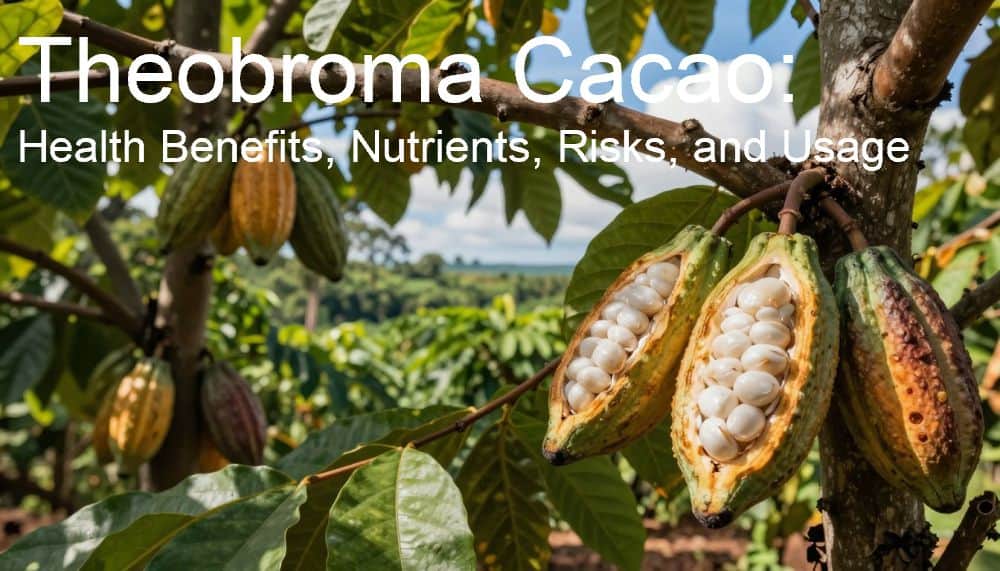
This article aims to provide a comprehensive overview of Theobroma Cacao, exploring its health benefits, nutritional value, potential risks, and various ways to incorporate it into your diet. Whether you’re a health enthusiast or simply a fan of chocolate, understanding the significance of Theobroma Cacao can help you make informed choices about your health and wellbeing.
Key Takeaways
- Discover the nutritional profile of Theobroma Cacao and its potential health benefits.
- Learn about the potential risks associated with consuming Theobroma Cacao.
- Explore various ways to incorporate Theobroma Cacao into your diet.
- Understand the difference between cocoa powder and cacao powder.
- Get insights into the significance of Theobroma Cacao as a superfood.
What is Theobroma Cacao?
Theobroma Cacao, a treasured ingredient in many cultures, boasts a fascinating history that is as complex as it is captivating. This revered food, often associated with luxury and indulgence, has been a cornerstone of various civilizations for millennia.
Origin and History
Theobroma Cacao originated in the Amazon basin, where it was first domesticated over 3,000 years ago. Ancient cultures, such as the Olmec, Maya, and Aztecs, prized cacao not only for its unique flavor but also for its perceived medicinal and spiritual properties. The history of Theobroma Cacao is deeply intertwined with the cultural and economic practices of these civilizations, who used cacao beans as currency and in rituals.
From Bean to Product
The journey of Theobroma Cacao from bean to product involves several steps, including fermentation, drying, roasting, and grinding. Fermentation develops the flavor and aroma, while drying preserves the beans for storage and transport. Roasting enhances the flavor, and grinding produces cacao paste, which can be further processed into cocoa powder and cacao butter. Understanding this process is key to appreciating the versatility of Theobroma Cacao in various products, from chocolate to nutritional supplements.
Nutritional Profile of Theobroma Cacao
Theobroma Cacao is a nutritional powerhouse, boasting a wide range of macronutrients, micronutrients, and bioactive compounds. Its rich nutritional profile is a key factor in its numerous health benefits.
Macronutrients
Theobroma Cacao contains a significant amount of macronutrients, including fats, proteins, and carbohydrates. The primary macronutrient in cacao is fat, which constitutes a substantial portion of its composition. Cacao butter, a key component, is rich in healthy fats. It also contains proteins and carbohydrates, contributing to its overall nutritional value.
Micronutrients and Minerals
Cacao is a good source of various micronutrients and minerals, such as magnesium, copper, and iron. Magnesium plays a crucial role in energy production and nerve function, while copper is essential for connective tissue health. Iron is vital for transporting oxygen in the blood. These micronutrients contribute to the overall health benefits associated with cacao consumption.
| Micronutrient | Amount per 100g | Health Benefit |
|---|---|---|
| Magnesium | 400 mg | Energy production, nerve function |
| Copper | 1.7 mg | Connective tissue health |
| Iron | 6.3 mg | Oxygen transport |
Bioactive Compounds
Theobroma Cacao is rich in bioactive compounds, particularly flavonoids, which are known for their antioxidant properties. Flavonoids help protect against oxidative stress and inflammation, contributing to the potential health benefits of cacao, including improved heart health and cognitive function.
Different Forms of Cacao
The versatility of Theobroma Cacao is evident in its various forms, ranging from raw cacao to processed cocoa products. Cacao can be consumed in several ways, each offering unique nutritional benefits and culinary applications.
Raw Cacao vs. Processed Cocoa
Raw cacao is considered to be more nutritious as it contains a higher amount of flavanols, which are powerful antioxidants. Processed cocoa, on the other hand, undergoes roasting and grinding, which can reduce its flavanol content. However, processed cocoa is still a rich source of minerals and can be more palatable for some consumers.
Raw cacao is often preferred by health enthusiasts due to its higher nutritional value, while processed cocoa is commonly used in chocolate production and baking.
Cacao Nibs and Cacao Butter
Cacao nibs are small pieces of cacao beans that have been broken into pieces. They are rich in antioxidants and can be used as a healthy snack or added to recipes for extra nutrition. Cacao butter, extracted from cacao beans, is used in chocolate making and cosmetics due to its moisturizing properties.
How Processing Affects Nutritional Value
Processing cacao can significantly affect its nutritional value. Roasting, for instance, can reduce the flavanol content. However, some processing methods are designed to preserve the nutritional integrity of cacao. Choosing minimally processed cacao products can help retain more of the natural nutrients.
| Cacao Form | Nutritional Highlights | Culinary Uses |
|---|---|---|
| Raw Cacao | High in flavanols, antioxidants | Health supplements, smoothies |
| Cacao Nibs | Rich in antioxidants, fiber | Snacks, baking, salads |
| Cacao Butter | Moisturizing properties | Cosmetics, chocolate making |
| Processed Cocoa | Mineral-rich, can be lower in flavanols | Baking, chocolate production |
The Powerful Antioxidant Properties of Theobroma Cacao
Rich in flavonoids and polyphenols, Theobroma Cacao is a powerhouse of antioxidant activity. The antioxidant properties of Theobroma Cacao are a key aspect of its health-promoting attributes, contributing significantly to its potential benefits for overall health and well-being.
Flavonoids and Polyphenols
Theobroma Cacao contains a diverse range of flavonoids and polyphenols, which are powerful antioxidants. Flavonoids, in particular, have been shown to have a positive impact on cardiovascular health and may play a role in reducing inflammation. The polyphenol content in cacao is comparable to that of other antioxidant-rich foods, such as blueberries and green tea.
The flavonoids present in Theobroma Cacao include epicatechin and catechin, which have been studied for their potential health benefits. These compounds are known for their ability to scavenge free radicals and protect against oxidative stress.
| Antioxidant | Function | Potential Benefits |
|---|---|---|
| Flavonoids | Scavenge free radicals | Cardiovascular health, reduced inflammation |
| Polyphenols | Protect against oxidative stress | Anti-aging, improved cognitive function |
Fighting Oxidative Stress
Oxidative stress occurs when there is an imbalance between the production of free radicals and the body’s ability to counteract their harmful effects. The antioxidants in Theobroma Cacao, particularly flavonoids and polyphenols, play a crucial role in mitigating oxidative stress.
By consuming Theobroma Cacao, individuals can potentially enhance their antioxidant defenses, thereby reducing the risk of chronic diseases associated with oxidative stress. The ability of cacao to fight oxidative stress is a significant aspect of its health-promoting properties.
Cardiovascular Benefits
The flavanols present in Theobroma Cacao contribute to its cardiovascular benefits. Consuming cacao has been associated with improved heart health, primarily due to its ability to regulate blood pressure, enhance blood flow, and boost nitric oxide production.
Blood Pressure Regulation
The flavanols in cacao have been shown to help lower blood pressure by improving the function of blood vessels. This can lead to a reduced risk of developing hypertension and related cardiovascular conditions. Regular consumption of flavanol-rich cacao products may contribute to maintaining healthy blood pressure levels.
Improved Blood Flow and Nitric Oxide Production
Cacao flavanols also promote improved blood flow by enhancing the production of nitric oxide, a molecule that helps to relax and dilate blood vessels. This improvement in blood flow can lead to better oxygenation and nutrient delivery to tissues and organs. Increased nitric oxide production is associated with improved cardiovascular function.
Reduced Risk of Heart Disease
The combination of blood pressure regulation, improved blood flow, and enhanced nitric oxide production contributes to a reduced risk of heart disease. Studies have indicated that regular consumption of Theobroma Cacao can lead to improved cardiovascular health. The table below summarizes some key findings related to cacao consumption and heart health.
| Cardiovascular Benefit | Description | Related Compound |
|---|---|---|
| Blood Pressure Regulation | Helps maintain healthy blood pressure levels | Flavanols |
| Improved Blood Flow | Enhances oxygen and nutrient delivery | Nitric Oxide |
| Reduced Heart Disease Risk | Lowers the risk of cardiovascular conditions | Flavanols, Nitric Oxide |
Incorporating Theobroma Cacao into one’s diet can be a valuable step towards maintaining cardiovascular health. With its rich content of flavanols and other beneficial compounds, cacao offers a delicious and healthy way to support heart well-being.
Cacao and Brain Health
The flavonoids present in Theobroma cacao have been shown to positively influence brain health, potentially improving cognitive function and mood. The relationship between cacao consumption and brain health has garnered significant attention in recent research.

Cognitive Function Enhancement
Cacao has been found to enhance cognitive function, potentially due to its flavonoid content. Studies have indicated that flavonoids can improve blood flow to the brain, boosting cognitive performance and potentially delaying cognitive decline associated with aging.
Protection Against Neurodegenerative Diseases
The high flavonoid content in cacao may also offer protection against neurodegenerative diseases such as Alzheimer’s and Parkinson’s. Research suggests that the antioxidants in cacao can help reduce oxidative stress and inflammation, factors that contribute to the progression of these diseases.
Mood Enhancement Effects
Cacao is known to have mood-enhancing properties, partly due to its content of phenylethylamine and anandamide, compounds that can influence mood and reduce stress. Regular consumption of cacao may contribute to improved mental well-being and reduced symptoms of depression.
| Benefit | Description |
|---|---|
| Cognitive Enhancement | Improved blood flow to the brain, enhancing cognitive performance |
| Neuroprotection | Reduced oxidative stress and inflammation, potentially protecting against neurodegenerative diseases |
| Mood Enhancement | Increased levels of phenylethylamine and anandamide, contributing to improved mood and reduced stress |
“The consumption of flavonoid-rich cacao has been associated with improved cognitive function and a reduced risk of neurodegenerative diseases, highlighting its potential as a dietary intervention for brain health.”
Anti-inflammatory Effects of Cacao
Research into Theobroma Cacao has unveiled its promising anti-inflammatory properties, which could have far-reaching health benefits. Chronic inflammation is a condition associated with numerous diseases, and managing it is crucial for overall health.
Mechanisms Behind Inflammation Reduction
Theobroma Cacao contains flavonoids, particularly cocoa flavanols, which have been shown to possess anti-inflammatory properties. These compounds can influence various pathways involved in inflammation, potentially reducing the production of pro-inflammatory cytokines.
Key Mechanisms Include:
- Modulation of the immune response
- Inhibition of inflammatory mediators
- Antioxidant activity reducing oxidative stress
A study highlighted in a
“…systematic review found that cocoa flavanol supplementation resulted in significant reductions in inflammatory markers.”
This underscores the potential of Theobroma Cacao in managing inflammation.
Inflammatory Conditions That May Benefit
The anti-inflammatory effects of Theobroma Cacao may have implications for various conditions, including cardiovascular disease, diabetes, and certain neurodegenerative disorders.
| Condition | Potential Benefit |
|---|---|
| Cardiovascular Disease | Reduced inflammation may lower the risk of heart disease |
| Diabetes | Improved insulin sensitivity and reduced inflammation |
| Neurodegenerative Diseases | Protection against neuronal damage due to anti-inflammatory effects |
Incorporating Theobroma Cacao into one’s diet could be a beneficial step towards reducing inflammation and potentially mitigating the risk or severity of these conditions.
Metabolic Health and Weight Management
Cacao, known for its rich nutritional profile, is increasingly recognized for its benefits in metabolic health and weight management. The bioactive compounds present in Theobroma Cacao have been shown to positively influence various aspects of metabolic health.
Blood Sugar Regulation and Insulin Sensitivity
The flavanols in cacao have been demonstrated to improve insulin sensitivity and glucose metabolism. Studies have indicated that cacao consumption can lead to a reduction in blood sugar levels and improve overall glycemic control. This is particularly beneficial for individuals at risk of or managing diabetes.
A comparative analysis of different studies on cacao and its effects on blood sugar regulation is presented in the following table:
| Study | Duration | Effect on Blood Sugar |
|---|---|---|
| Study A | 6 weeks | Reduced by 10% |
| Study B | 12 weeks | Reduced by 15% |
Mitochondrial Function and Weight Management
Cacao has also been found to enhance mitochondrial function, which is crucial for energy metabolism and weight management. Improved mitochondrial efficiency can lead to better fat oxidation and reduced fat storage. This makes cacao a potentially useful component of a weight management diet.
By incorporating Theobroma Cacao into one’s diet, individuals may benefit from its metabolic health-enhancing properties, potentially aiding in weight management and improving overall metabolic function.
Scientific Evidence Behind Cacao’s Health Claims
The health claims surrounding Theobroma Cacao are backed by a growing body of scientific research. This section will examine the key research studies that have investigated the health benefits of cacao, as well as discuss the limitations of current research and potential future directions.
Key Research Studies
Several peer-reviewed studies have explored the health benefits of Theobroma Cacao. Research has shown that the flavanols present in cacao may contribute to improved cardiovascular health by enhancing blood flow and lowering blood pressure. A notable study published in the Journal of the American Medical Association found that flavanol-rich cocoa improved cardiovascular function in healthy individuals. Other studies have highlighted the potential cognitive benefits of cacao flavanols, including improved memory and cognitive performance.
- Improved blood flow and cardiovascular function
- Enhanced cognitive performance and memory
- Potential neuroprotective effects
Limitations and Future Research Directions
While the existing evidence is promising, there are several limitations to the current research. Many studies have small sample sizes or are conducted over short periods. Future research should focus on larger, long-term studies to fully understand the health benefits of Theobroma Cacao. Additionally, more research is needed to determine the optimal dosage and preparation of cacao for health benefits.
Key areas for future research include:
- Long-term studies on the health effects of cacao consumption
- Investigations into the optimal dosage and preparation methods
- Studies examining the potential benefits for specific populations, such as older adults or individuals with chronic health conditions
Potential Risks and Side Effects
While Theobroma Cacao is renowned for its health benefits, it’s crucial to acknowledge the potential risks associated with its consumption. As with any food or supplement, being aware of these risks can help consumers make informed decisions.
Caffeine and Theobromine Content
Theobroma Cacao contains caffeine and theobromine, two stimulants that can cause side effects in some individuals. Caffeine can lead to jitteriness, anxiety, and insomnia, particularly in those who are sensitive to its effects. Theobromine, while generally considered to have fewer side effects than caffeine, can still cause headaches and nausea in high doses.
Allergies and Interactions
Some individuals may be allergic to cacao or experience interactions with medications. Allergic reactions can range from mild symptoms like hives to severe reactions such as anaphylaxis. Additionally, cacao may interact with certain medications, including blood thinners and medications for diabetes.
Considerations for Special Populations
Certain populations, such as pregnant women, children, and individuals with specific health conditions, should consume Theobroma Cacao with caution. It’s advisable for these groups to consult with a healthcare provider before adding cacao to their diet, especially if they are considering it as a supplement.
Incorporating Cacao Into Your Daily Diet
You can enhance your diet with Theobroma Cacao, a superfood rich in antioxidants and minerals. Incorporating cacao into your daily routine is easier than you think, and it can be done in various delicious ways.
Healthy Recipes Using Cacao
One of the best ways to include cacao in your diet is through healthy recipes. You can make a delicious cacao smoothie by blending cacao powder with your favorite fruits and milk. Cacao nibs can be sprinkled over oatmeal or yogurt for a nutritious breakfast. You can also bake using cacao powder; try making some cacao-based cookies or cakes. Here’s a simple recipe to get you started:
- 1 cup almond milk
- 1 tablespoon cacao powder
- 1 banana
- 1 tablespoon honey
Blend all the ingredients together for a quick and healthy smoothie.
As Dr. Mark Hyman once said,
“Cacao is a superfood that can help to improve your mood, boost your energy, and even support your cardiovascular health.”
Incorporating cacao into your recipes not only adds flavor but also enhances the nutritional value of your meals.
Recommended Daily Intake for Optimal Benefits
To reap the optimal benefits of cacao, it’s essential to consume it in the right amounts. The recommended daily intake varies, but generally, 1-2 tablespoons of cacao powder or a small handful of cacao nibs is considered a good starting point. Here’s a table to help guide your daily intake:
| Form of Cacao | Recommended Daily Intake | Benefits |
|---|---|---|
| Cacao Powder | 1-2 tablespoons | Rich in antioxidants, improves heart health |
| Cacao Nibs | A small handful | High in fiber, supports mood enhancement |
| Dark Chocolate | 1 ounce (at least 70% cocoa) | Improves blood flow, rich in antioxidants |
Consuming cacao in these recommended amounts can help you achieve the optimal benefits, from improved heart health to enhanced mood.
Conclusion
Theobroma Cacao is a nutrient-rich food that offers numerous health benefits when consumed as part of a balanced diet. Its rich nutritional profile, including flavonoids, minerals, and antioxidants, makes it an excellent addition to a healthy lifestyle.
As discussed, Theobroma Cacao has been shown to have positive effects on cardiovascular health, brain function, and metabolic health. However, it’s essential to be aware of the potential risks, such as caffeine and theobromine content, and to consume it in moderation.
To reap the benefits of Theobroma Cacao, it’s recommended to incorporate high-quality cacao products into your daily diet. With its rich nutritional profile and potential health benefits, Theobroma Cacao is an excellent choice for those seeking a natural and healthy way to enhance their overall well-being.
By understanding the usage and benefits of Theobroma Cacao, individuals can make informed decisions about incorporating this nutritious food into their lifestyle, ultimately leading to a healthier and more balanced life.
FAQ
What is the difference between cacao and cocoa powder?
Cacao refers to the raw material from which cocoa powder is made. Cacao is often considered more nutritious because it is less processed. Cocoa powder, on the other hand, is the result of roasting and grinding cacao beans.
How does Theobroma Cacao help with heart health?
Theobroma Cacao contains flavonoids, which may help improve blood flow, lower blood pressure, and reduce the risk of heart disease. Flavonoids in cacao may also help prevent the formation of blood clots and improve overall cardiovascular health.
Can consuming cacao help with weight loss?
Cacao may aid in weight loss by improving mitochondrial function, which can enhance metabolism. However, it is essential to consume cacao as part of a balanced diet and not rely solely on it for weight loss.
Is raw cacao better than processed cocoa?
Raw cacao is often considered superior to processed cocoa because it is less processed and retains more of its natural nutrients and antioxidants. Processing can reduce the flavonoid content and nutritional value of cacao.
How much cacao should I consume daily?
The ideal daily intake of cacao varies, but consuming a moderate amount, such as one ounce of dark chocolate or a few tablespoons of cacao nibs, is generally considered safe and potentially beneficial.
Can cacao help reduce inflammation?
Yes, cacao contains compounds that may help reduce inflammation. The flavonoids and other antioxidants in cacao have been shown to have anti-inflammatory properties, which may help alleviate conditions associated with chronic inflammation.
Are there any potential side effects of consuming cacao?
While cacao is generally considered safe, it does contain caffeine and theobromine, which can cause side effects in some individuals, such as jitteriness or an increase in heart rate. Allergies to cacao are also possible.
How does cacao impact blood sugar regulation?
Cacao may help regulate blood sugar levels by improving insulin sensitivity. The flavonoids present in cacao may also contribute to better glucose metabolism, potentially benefiting individuals with diabetes or those at risk of developing the condition.
Can cacao improve cognitive function?
Yes, cacao contains compounds that may enhance cognitive function. The flavonoids in cacao may improve blood flow to the brain, potentially boosting cognitive performance and reducing the risk of neurodegenerative diseases.
Is there a link between cacao consumption and reduced risk of neurodegenerative diseases?
Some studies suggest that the flavonoids and other antioxidants in cacao may help protect against neurodegenerative diseases, such as Alzheimer’s and Parkinson’s, by reducing oxidative stress and improving blood flow to the brain.