




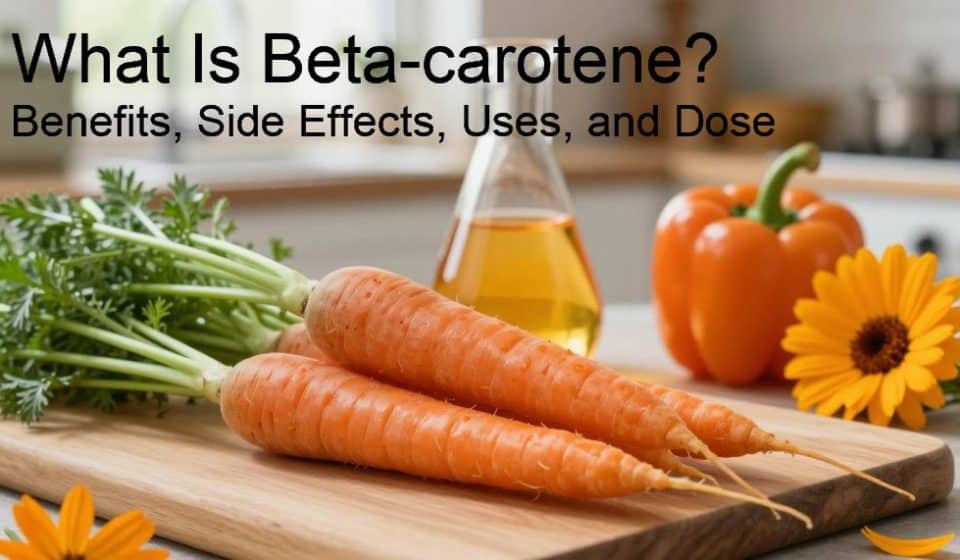

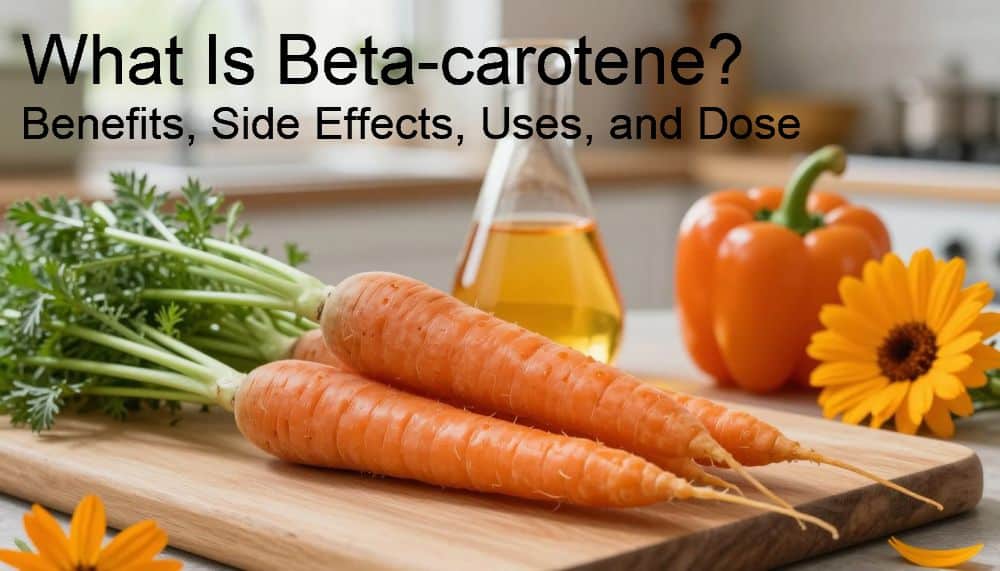
Have you ever wondered why carrots are so bright and orange? The answer lies in a powerful carotenoid known as beta-carotene. This natural pigment acts as a vital antioxidant that helps protect your cells from daily damage.
Once consumed, your body converts this compound into vitamin A, which is essential for healthy vision and immune function. Understanding the proper dose is key to unlocking its full potential while avoiding unwanted side effects.
In this guide, we will explore the many benefits and common uses of this nutrient. Whether you are looking to improve your skin health or boost your overall wellness, beta-carotene plays a significant role in a balanced diet.
Key Takeaways
- It is a natural pigment that converts into vitamin A.
- Acts as a potent antioxidant to support cellular health.
- Supports healthy vision and a strong immune system.
- Proper dosage is important to prevent skin discoloration.
- Found naturally in many colorful fruits and vegetables.
Understanding Beta-carotene and Its Role in the Body
As a precursor to vitamin A, beta-carotene plays a vital role in various bodily functions. It is part of a larger group of pigments known as carotenoids, which are responsible for the vibrant colors of many fruits and vegetables.
What Is a Carotenoid?
Carotenoids are a class of pigments found naturally in plants and algae, acting as antioxidants that help protect these organisms from excessive sunlight. There are over 600 known carotenoids, with beta-carotene being one of the most studied due to its provitamin A properties. These compounds are not only responsible for the red, orange, and yellow hues of various fruits and vegetables but also play a crucial role in photosynthesis and protecting cells from oxidative damage.
How the Body Converts Beta-carotene to Retinol
The body converts beta-carotene into retinol, a form of vitamin A, through a process that occurs in the intestine. This conversion is crucial because vitamin A is essential for maintaining healthy vision, immune function, and skin health. The efficiency of this conversion can vary based on several factors, including the individual’s nutritional status and the presence of other nutrients that may enhance or inhibit the process.
Efficient conversion of beta-carotene to retinol is vital for leveraging its benefits, including supporting the health of the retina and promoting a robust immune system.
The Antioxidant Properties of Beta-carotene
Beta-carotene is renowned for its antioxidant properties, which help protect cells from damage caused by free radicals. By neutralizing these harmful molecules, beta-carotene contributes to the reduction of oxidative stress, potentially lowering the risk of chronic diseases such as heart disease and certain cancers. The antioxidant activity of beta-carotene also supports overall health by maintaining the integrity of cells and supporting the body’s natural defense mechanisms.
Primary Health Benefits of Beta-carotene
With its rich antioxidant properties, beta-carotene plays a significant role in maintaining overall health, especially eye and skin health. The benefits of this nutrient are diverse and well-documented, making it an essential component of a healthy diet.
Supporting Eye Health and Vision
Beta-carotene is widely recognized for its role in supporting eye health. It helps protect the eyes against damage and reduces the risk of vision-related disorders. One of the key benefits is its ability to prevent age-related macular degeneration, a condition that can lead to vision loss in older adults.
Preventing Age-Related Macular Degeneration
Age-related macular degeneration is a significant cause of vision loss among older adults. Beta-carotene, along with other antioxidants, helps protect the macula, the part of the retina responsible for central vision. Studies have shown that a diet rich in beta-carotene can significantly reduce the risk of developing this condition.
| Nutrient | Role in Eye Health | Food Sources |
|---|---|---|
| Beta-carotene | Protects against age-related macular degeneration | Carrots, sweet potatoes, spinach |
| Lutein | Protects the macula and reduces eye fatigue | Leafy greens, eggs, peas |
| Zeaxanthin | Protects the retina and reduces blue light damage | Corn, orange peppers, eggs |
Promoting Skin Health and Protection
Beta-carotene also plays a crucial role in promoting skin health. Its antioxidant properties help protect the skin from damage caused by UV radiation, improving overall skin health and appearance.
How Beta-carotene Protects the Skin from UV Damage
UV radiation from the sun can cause significant damage to the skin, leading to premature aging and increased risk of skin cancer. Beta-carotene helps mitigate this damage by neutralizing free radicals generated by UV exposure, thus providing a protective layer against UV-induced harm.
By incorporating beta-carotene into your diet, you can enhance your skin’s natural defenses against UV damage and promote healthier, more resilient skin.
Dietary Sources of Beta-carotene
To reap the benefits of beta-carotene, it’s essential to know which foods are rich in this vital nutrient. Beta-carotene is abundantly found in various vegetables and fruits, making it easy to incorporate into your daily diet.
Vegetables Rich in Beta-carotene
Vegetables are among the richest sources of beta-carotene. Carrots and sweet potatoes are standout examples, not only because of their high beta-carotene content but also due to their versatility in cooking.
The Benefits of Carrots and Sweet Potatoes
Carrots are a crunchy snack rich in beta-carotene, while sweet potatoes are a nutritious side dish that can be prepared in multiple ways. Both are excellent additions to a healthy diet.
- Carrots can be enjoyed raw, steamed, or roasted.
- Sweet potatoes are delicious baked, mashed, or roasted.
As Dr. Jane Smith, a nutrition expert, notes,
“Incorporating carrots and sweet potatoes into your meals is a simple way to boost your beta-carotene intake.”
Fruits Containing High Levels of Carotenoids
Fruits are another vital source of beta-carotene. Cantaloupe and mangoes are examples of fruits that are not only delicious but also rich in carotenoids.
| Fruit | Beta-carotene Content |
|---|---|
| Cantaloupe | High |
| Mangoes | High |
Maximizing Absorption Through Diet
To maximize the absorption of beta-carotene, it’s recommended to consume these foods with a source of fat, as beta-carotene is fat-soluble.
For example, having a salad with carrots and a vinaigrette dressing can enhance the absorption of beta-carotene. Similarly, cooking tomatoes with olive oil increases the absorption of lycopene, another carotenoid.
By understanding and incorporating these dietary sources into your daily meals, you can significantly enhance your beta-carotene intake and enjoy the associated health benefits.
Beta-carotene Supplements and Their Uses
While a balanced diet is the best way to obtain beta-carotene, certain circumstances may necessitate the use of supplements to meet daily needs. Beta-carotene supplements can provide a concentrated dose of this essential nutrient, helping to bridge the gap between dietary intake and optimal levels.
When to Consider Supplementation
Supplementation with beta-carotene may be beneficial for individuals with restrictive diets, certain medical conditions, or those who are at risk of deficiency. For example, vegetarians and vegans who do not consume animal products may require supplements to meet their vitamin A needs.
Additionally, individuals with conditions that affect fat absorption, such as pancreatitis or Crohn’s disease, may also benefit from beta-carotene supplements, as the nutrient is fat-soluble.
Comparing Dietary Beta-carotene vs. Supplements
Dietary beta-carotene and supplements have different absorption rates and effects on the body. While supplements can provide a concentrated dose, the body’s ability to convert beta-carotene to vitamin A from food sources is often more efficient.
A comparison of dietary beta-carotene and supplements reveals that whole foods offer a complex mix of nutrients and fiber, which can enhance the overall health benefits. On the other hand, supplements can be more convenient and provide a guaranteed amount of beta-carotene.
| Aspect | Dietary Beta-carotene | Beta-carotene Supplements |
|---|---|---|
| Absorption Rate | Variable, dependent on other nutrients | Can be more controlled |
| Nutrient Complexity | Part of a complex nutrient profile | Provides a single nutrient |
Combining Beta-carotene with Other Antioxidants
Combining beta-carotene with other antioxidants, such as vitamins C and E, can have synergistic effects, enhancing the overall antioxidant capacity of the body. This combination may provide additional protection against oxidative stress and cell damage.
Research suggests that a balanced mix of antioxidants can be more effective than high doses of a single nutrient. Therefore, considering a supplement that combines beta-carotene with other antioxidants may be a viable strategy for those looking to maximize their antioxidant defenses.
Safety Considerations and Potential Side Effects
Understanding the safety profile of beta-carotene is crucial for maximizing its benefits while minimizing risks. While generally considered safe, beta-carotene can have implications under certain conditions.
Is Beta-carotene Considered Safe for Everyone?
Beta-carotene is generally recognized as safe for most people when consumed through dietary sources. However, the safety profile can change when it comes to supplementation, particularly at high doses.
Individuals with certain health conditions or those taking specific medications may need to be cautious. It’s essential for these individuals to consult with a healthcare professional before starting beta-carotene supplements.
Common Adverse Effects of High Doses
High doses of beta-carotene can lead to several adverse effects. One of the most notable is carotenemia, a condition characterized by a yellow or orange discoloration of the skin.
Other potential side effects include:
- Digestive issues
- Headaches
- Dizziness
These effects are generally reversible upon reducing the dosage or discontinuing supplementation.
Carotenemia: Why Skin May Turn Orange
Carotenemia is a harmless condition caused by excessive intake of carotenoids, including beta-carotene. It is characterized by a yellow or orange tint to the skin, most noticeable on the palms and soles.
This condition is reversible by reducing the intake of beta-carotene. It’s a key reason why monitoring intake, especially through supplements, is important.
By being aware of these potential side effects and taking steps to mitigate them, individuals can safely enjoy the benefits of beta-carotene.
The Complex Relationship Between Beta-carotene and Cancer
Research into beta-carotene’s effects on cancer has produced mixed outcomes, highlighting the need for a nuanced understanding. The relationship between beta-carotene intake and cancer risk is influenced by various factors, including the type of cancer, individual health status, and lifestyle choices.
Beta-carotene and Lung Cancer Risk
One of the most studied areas regarding beta-carotene and cancer is its potential impact on lung cancer risk. Some studies have suggested that high doses of beta-carotene supplements might increase the risk of lung cancer in certain populations.
Why People Who Smoke Should Exercise Caution
Smokers are a particular group that needs to be cautious with beta-carotene supplementation. High doses of beta-carotene have been associated with an increased risk of lung cancer in smokers. This is thought to be due to the potential for beta-carotene to interact with other substances in cigarette smoke, possibly enhancing harmful effects.
Research on Cancer Prevention and Incidence
The role of beta-carotene in cancer prevention is complex. While some observational studies have suggested a protective effect against certain types of cancer, intervention trials have yielded mixed results.
| Study Type | Findings on Beta-carotene and Cancer |
|---|---|
| Observational Studies | Suggested protective effects against certain cancers |
| Intervention Trials | Mixed results; some showed increased risk in specific populations |
Understanding the Risks for Those Exposed to Asbestos
Individuals exposed to asbestos are another group that may need to be cautious with beta-carotene supplementation. Research has indicated that beta-carotene may not provide protective benefits against lung cancer in asbestos-exposed individuals and could potentially increase risk.
Understanding these nuances is crucial for making informed decisions about beta-carotene supplementation, especially for those at higher risk of certain cancers.
Recommended Dosage and Guidelines
When it comes to beta-carotene supplementation, understanding the right dosage is crucial for maximizing its health benefits. The recommended intake can vary based on factors such as age, health status, and the specific reasons for supplementation.
Determining the Right Amount of Beta-carotene a Day
The daily recommended intake of beta-carotene can vary. Generally, a healthy diet rich in fruits and vegetables provides sufficient beta-carotene. However, for those considering supplements, the dosage should be carefully considered.
Typical Dosage Ranges:
| Age Group | Recommended Daily Intake |
|---|---|
| Adults | 3-6 mg/day (5,000-10,000 IU) |
| Pregnant Women | Consult a healthcare professional |
| Children | Varies by age; consult a healthcare professional |
Risks of Taking High Doses of Beta-carotene Supplements
Taking high doses of beta-carotene supplements can lead to adverse effects. One notable risk is carotenemia, a condition where the skin turns orange due to excessive beta-carotene levels.
Consulting a Healthcare Professional Before Starting Therapy
Before starting any beta-carotene supplementation, it is advisable to consult with a healthcare professional. They can provide personalized guidance based on individual health needs and help mitigate potential risks.
Key Considerations:
- Assess your current diet and nutritional intake.
- Discuss any health conditions or medications with your healthcare provider.
- Determine the appropriate dosage based on your specific needs.
Special Populations and Medical Precautions
While beta-carotene is beneficial for many, special populations require careful consideration. Certain individuals may need to adjust their intake or monitor their health more closely due to specific health conditions or circumstances.
Pregnant Women and Beta-carotene
Pregnant women are a special group that needs to be cautious with beta-carotene intake. High doses of beta-carotene supplements are not recommended during pregnancy unless advised by a healthcare provider. It’s essential to maintain a balanced diet rich in fruits and vegetables to meet nutritional needs.
Some studies suggest that excessive intake of beta-carotene during pregnancy may have adverse effects. Therefore, pregnant women should consult their healthcare provider before taking any supplements.
- Discuss dietary needs with a healthcare provider.
- Focus on consuming a variety of whole foods.
- Avoid high-dose supplements without medical guidance.
Interactions with Medications and Nutrients
Beta-carotene can interact with certain medications and nutrients, affecting its absorption or efficacy. For instance, cholesterol-lowering medications may interfere with the body’s ability to absorb beta-carotene.
| Medication/Nutrient | Potential Interaction |
|---|---|
| Cholesterol-lowering drugs | May reduce beta-carotene absorption |
| Orlistat | Can decrease absorption of beta-carotene |
| Other antioxidants | May enhance overall antioxidant effect |
It’s crucial to inform your healthcare provider about all supplements and medications you’re taking to avoid potential interactions.
When to Seek Medical Advice
If you’re considering beta-carotene supplements, it’s vital to seek medical advice, especially if you have a medical condition or are taking medications. A healthcare professional can provide personalized guidance based on your health status.
“Consulting a healthcare provider before starting any supplement regimen is a prudent step to ensure safety and efficacy.”
— Health Expert
Moreover, if you experience any adverse effects or have concerns about your beta-carotene intake, don’t hesitate to reach out to a healthcare professional for advice.
Conclusion
Beta-carotene is a vital nutrient that offers numerous health benefits, from supporting eye health to providing antioxidant protection. Throughout this article, we’ve explored the various aspects of beta-carotene, including its role in the body, dietary sources, and supplementation guidelines.
A beta-carotene summary highlights its importance in maintaining healthy vision, immune function, and skin health. However, it’s equally important to be aware of the potential benefits and risks associated with its consumption. While generally considered safe, high doses of beta-carotene can lead to carotenemia, a harmless condition that causes the skin to turn orange.
To maximize the benefits of beta-carotene while minimizing its risks, it’s essential to follow recommended dosages and consult with a healthcare professional, especially for individuals with specific health conditions or those taking certain medications.
In conclusion, beta-carotene is a valuable nutrient that can be a great addition to a healthy diet and lifestyle when consumed responsibly.
FAQ
What exactly is beta-carotene and how does it work in the body?
Beta-carotene is a vibrant plant pigment known as a carotenoid. It serves as a provitamin, meaning beta-carotene is converted by the body into retinol, an active form of vitamin A. Beyond providing this essential vitamin, it acts as a powerful antioxidant that helps protect your cells from oxidative stress caused by free radicals.
Which foods should I eat to increase my beta-carotene intake?
A diet rich in colorful produce is the best way to boost your levels of beta-carotene. You can find high amounts of beta-carotene in sweet potatoes, carrots, dark leafy greens, and various types of fruit and vegetable options like cantaloupe and apricots. Getting beta-carotene from food is widely considered safe and effective for most people.
Can taking beta-carotene supplements help with eye health?
Yes, beta carotene may be very beneficial for your vision. It is famously used in specific formulations to help slow the progression of age-related macular degeneration. Many people use beta carotene therapy alongside vitamin E and other nutrients to support long-term eye health and protect the eyes and skin from damage.
Why is there a warning for smokers regarding beta-carotene supplements?
Research has indicated that high doses of beta-carotene supplements can actually increase the risk of lung cancer in people who smoke or those who have been exposed to asbestos. Large-scale studies found a higher lung cancer incidence in these specific groups when they took doses of beta carotene in supplement form. If you are a smoker, it is crucial to seek medical advice from a healthcare provider before starting supplementation.
What are the potential side effects of getting too much beta carotene?
Getting too muchdietary beta carotene from foods containing the nutrient—like eating massive amounts of carrots—can lead to carotenemia, a harmless condition where the skin health takes on a yellowish or orange tint. However, high doses of beta-carotene supplements may lead to more serious adverse effects, including the aforementioned risk of cancer in certain populations.
Is beta-carotene supplementation beneficial for heart health?
While a diet high in antioxidants like beta carotene is generally linked to better heart health, clinical trials on beta-carotene supplements have not shown a definitive ability to prevent heart disease. Most experts recommend focusing on a diet rich in foods containing beta-carotene and other carotenoids rather than relying on a supplement for cardiovascular protection.
How many mg of beta-carotene should I take daily?
There is no specific Recommended Dietary Allowance (RDA) for beta-carotene a day, as it is measured as part of your total vitamin A intake. Most people get plenty of dietary beta-carotene by eating five servings of fruits and vegetables daily. If you are considering taking beta carotene as a supplement, you should consult a health care professional to determine a safe and appropriate dose for your needs.
Can beta-carotene help protect the skin from sun damage?
Beta-carotene may help protect the skin from UV radiation damage due to its antioxidant properties. By reducing oxidative stress, it supports overall skin health, though it should never replace a high-quality sunscreen. Studies suggest that beta carotene intake over a long period can provide a basic level of protection against sunburn in some individuals.
Is it safe for pregnant women to use beta-carotene?
Beta-carotene is likely safe for pregnant women when consumed in the amounts typically found in food. In fact, it is a preferred source of vitamin A during pregnancy because it is less likely to cause toxicity than preformed vitamin A (retinol). However, pregnant women should always consult their healthcare provider before starting beta carotene supplements to ensure they aren’t getting too much.
What is the difference between dietary beta carotene and beta-carotene supplements?
Dietary beta-carotene comes from whole foods containing a complex mix of nutrients that work together for cancer prevention and overall wellness. Beta carotene supplements provide an isolated, often much higher dosage of the nutrient. Because high doses can sometimes also cause an increased risk of lung cancer in certain groups, most professionals recommend getting your carotene through a balanced diet whenever possible.