





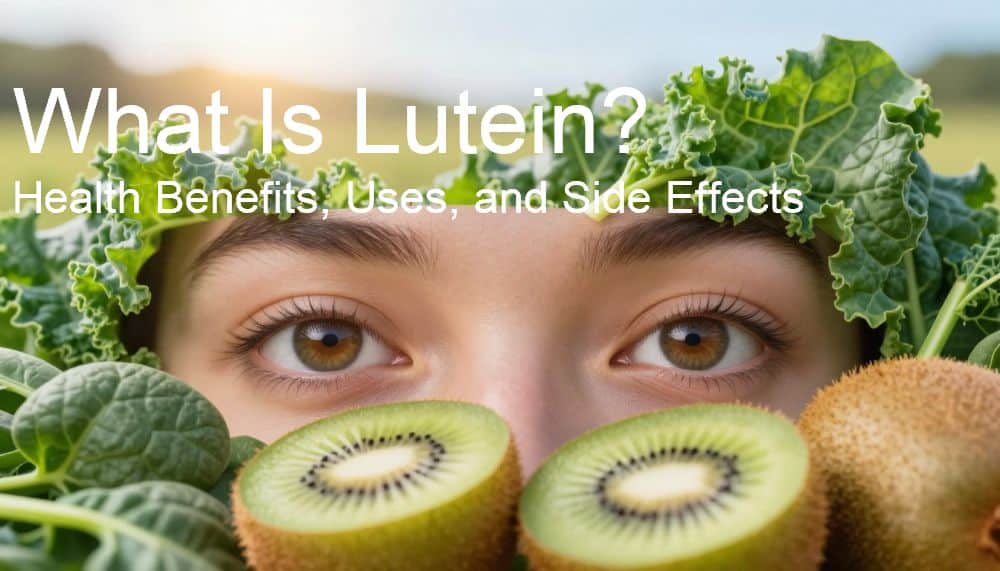

Nature provides us with many incredible tools to maintain our vitality and strength. Researchers often study the carotenoid lutein because it gives plants their vibrant yellow and orange colors. This organic compound maintains sharp eye health while we navigate a world full of digital screens.
It acts as a natural filter, protecting our delicate internal structures from excessive light exposure. By absorbing high-energy blue light rays, it helps prevent damage to the retina over time. Most people find this nutrient in high concentrations within the macula of the human eye.
When looking at health benefits, scientists often pair this nutrient with its partner to create a powerful duo known as lutein and zeaxanthin. They shield cells from oxidative stress and various types of environmental damage. Consuming enough of these pigments daily can significantly impact your long-term wellness.
Most Americans get these protective elements through a diet rich in broccoli, peas, and egg yolks. Managing your dietary choices ensures a healthy daily intake of these vital molecules. If your meals lack variety, you might consider alternative sources to ensure your body functions at its peak.
Choosing the right source helps you stay active, focused, and healthy for many years to come. Understanding how these pigments work is the first step toward better vision and overall physical longevity.
Key Takeaways
- This plant-based pigment is essential for maintaining optimal vision and filtering blue light.
- It is primarily found in green leafy vegetables, corn, and colorful fruits.
- Combining it with other antioxidants helps protect the body from oxidative damage.
- Maintaining consistent levels can support brain health and skin elasticity over time.
- Many people use targeted nutrition to support their wellness goals as they age.
What Is Lutein and How Does It Work?
Lutein, a naturally occurring compound, is found in numerous plants and is essential for human health. It is part of a larger group of pigments known as carotenoids, which are responsible for the vibrant colors of various fruits and vegetables.
Lutein Is a Carotenoid Found in Plants and Your Body
Lutein is a carotenoid that is not produced by the human body but is obtained through diet or supplementation. It is found in high concentrations in leafy green vegetables like spinach and kale. Lutein is a carotenoid that plays a crucial role in maintaining the health of various body parts, particularly the eyes.
As a carotenoid, lutein is closely related to other carotenoids like zeaxanthin, and together they are known for their beneficial effects on eye health. The presence of lutein in the body highlights its importance in our diet.
The Antioxidant Properties of Lutein
One of the key roles of lutein is its antioxidant properties. Lutein acts as an antioxidant, helping to protect cells from damage caused by free radicals. This protection is vital in maintaining overall health and preventing chronic diseases.
Lutein’s antioxidant properties are particularly beneficial in the context of eye health, where it helps to shield the eyes from oxidative stress and damage caused by blue light exposure.
Where Lutein Concentrates in Your Body
Lutein concentrates in various parts of the body, with the highest concentrations found in the eyes, specifically in the macula and retina. This concentration is critical for protecting the eyes and supporting vision health.
Lutein is also found in other parts of the body, including the skin, where it may help reduce the signs of aging and protect against sun damage.
Lutein and Zeaxanthin: Two Carotenoids Working Together
Understanding the relationship between lutein and zeaxanthin can reveal their combined potential in supporting eye health. These two carotenoids are often found together in foods and supplements and work synergistically to provide enhanced benefits.
The Relationship Between Lutein and Zeaxanthin
Lutein and zeaxanthin are both xanthophyll carotenoids that are closely related in structure and function. They are the only carotenoids that are found in high concentrations in the human eye, particularly in the macula, where they play a critical role in protecting the retina.
“The combination of lutein and zeaxanthin is essential for maintaining the health of the macula and supporting visual function,” as noted by experts in the field of nutritional science.
How These Carotenoids Complement Each Other
Lutein and zeaxanthin complement each other by working together to filter out blue light and protect the eyes from oxidative stress. Zeaxanthin is particularly effective at absorbing blue light, while lutein provides additional antioxidant protection.
Together, they help to reduce the risk of age-related macular degeneration and cataracts. Their combined effects are more significant than their individual actions, highlighting the importance of consuming both carotenoids through diet or supplementation.
Concentrations of Lutein and Zeaxanthin in the Eye
The concentrations of lutein and zeaxanthin in the eye vary, with zeaxanthin being more prominent in the central macula and lutein being more abundant in the peripheral retina. This distribution allows them to work together effectively to protect the entire eye.
Research has shown that higher concentrations of these carotenoids in the eye are associated with better eye health and a reduced risk of eye diseases. Therefore, maintaining adequate levels of lutein and zeaxanthin through diet or supplementation is crucial.
Health Benefits of Lutein for Eye Health and Vision
As a vital carotenoid, lutein contributes significantly to eye health by protecting the eyes from damage and supporting visual function. Lutein’s role in maintaining healthy vision is multifaceted, involving protection against age-related macular degeneration, supporting overall eye health, and potentially enhancing visual performance.
Protection Against Age-Related Macular Degeneration
Age-related macular degeneration (AMD) is a leading cause of vision loss among older adults. Lutein and its isomer, zeaxanthin, have been shown to play a crucial role in protecting against AMD.
How Lutein May Help Reduce AMD Risk
Lutein’s antioxidant properties help protect the macula, the part of the retina responsible for central vision, from oxidative stress and damage caused by blue light. Studies have suggested that higher intake of lutein and zeaxanthin is associated with a lower risk of AMD.
- Lutein accumulates in the macula, where it acts as a filter for blue light.
- By reducing oxidative stress, lutein helps protect the retina from damage.
- A diet rich in lutein may contribute to a reduced risk of AMD progression.
Effects of Lutein Supplementation on Macular Pigment
Lutein supplementation has been shown to increase macular pigment optical density (MPOD), a marker of macular health. Increased MPOD is associated with a lower risk of AMD.
“Lutein and zeaxanthin supplementation significantly increases macular pigment optical density, which is associated with improved visual performance and reduced risk of AMD.”
Nutritional Neuroscience
Supporting Overall Eye Health and Preventing Eye Disease
Lutein is not only beneficial for preventing AMD but also supports overall eye health.
Lutein’s Role in General Eye Health
Lutein’s antioxidant properties help protect the eyes against oxidative stress, which can contribute to various eye conditions. By maintaining healthy lutein levels, individuals can support their overall eye health.
Some studies have explored the potential benefits of lutein supplementation for individuals with retinitis pigmentosa, a group of genetic disorders affecting the retina. While more research is needed, preliminary findings suggest that lutein may help slow disease progression.
Visual Performance and Enhancement
Lutein’s benefits extend beyond disease prevention to potentially enhancing visual performance.
How Lutein May Enhance Visual Function
Lutein may improve visual acuity and contrast sensitivity, contributing to better visual performance. This is particularly relevant for individuals engaging in activities that require sharp vision, such as driving or reading.
Key benefits of lutein for visual performance include:
- Improved contrast sensitivity
- Enhanced visual acuity
- Better glare tolerance
Additional Health Benefits of Lutein Beyond Eye Health
Lutein’s benefits extend far beyond eye health, with emerging research highlighting its potential to support overall well-being. While its role in protecting vision is well-established, lutein’s impact on other aspects of health is equally significant.
Lutein for Skin Health and Protection
Lutein has been found to have beneficial effects on skin health, primarily due to its antioxidant properties. It helps protect the skin from damage caused by UV light and other environmental stressors.
Protective Effects Against UV Damage
The antioxidant properties of lutein can help mitigate the harmful effects of UV radiation on the skin. Studies have shown that lutein supplementation can improve skin tone and reduce the appearance of fine lines and wrinkles.
“Lutein and zeaxanthin may play a role in protecting the skin against UV-induced damage, which could contribute to the prevention of skin aging and potentially even skin cancer.”
Cognitive Function and Brain Health
Emerging evidence suggests that lutein may also have a positive impact on cognitive function and brain health. It is believed that lutein’s antioxidant properties help protect the brain from oxidative stress.
A study published in a reputable journal found that lutein supplementation improved cognitive function in older adults. This suggests that lutein may play a role in supporting brain health as we age.
Cardiovascular and Heart Health Support
Lutein has been found to have beneficial effects on cardiovascular health, potentially reducing the risk of heart disease. Its antioxidant properties help protect against the oxidation of LDL cholesterol, a key factor in the development of atherosclerosis.
| Health Benefit | Description |
|---|---|
| Skin Health | Protects against UV damage and improves skin tone |
| Cognitive Function | Supports brain health and may improve cognitive performance |
| Cardiovascular Health | May reduce the risk of heart disease by protecting against LDL oxidation |
Foods Rich in Lutein: Best Dietary Sources
Eating foods rich in lutein is a great way to support eye health and overall well-being. Lutein is a carotenoid that is found in various foods, and incorporating these into your diet can have numerous health benefits.
Leafy Green Vegetables High in Lutein
Leafy green vegetables are among the richest sources of lutein. Vegetables such as kale, spinach, and collard greens are not only high in lutein but also rich in other essential nutrients. Including these vegetables in your diet can be as simple as adding them to salads, blending them into smoothies, or sautéing them as a side dish.
Top Leafy Greens for Lutein:
- Kale
- Spinach
- Collard Greens
Eggs and Other Foods Rich in Lutein and Zeaxanthin
Eggs are another significant source of lutein and zeaxanthin, particularly if they are from hens raised on lutein-enriched feed. The lutein in eggs is highly bioavailable, meaning it is easily absorbed by the body.
Why Eggs Are Rich in Lutein with High Bioavailability
The bioavailability of lutein in eggs is higher compared to some plant sources because it is fat-soluble and eggs contain healthy fats that enhance its absorption. This makes eggs an excellent dietary source for individuals looking to boost their lutein intake.
How to Increase Your Lutein Intake Without Supplements
Increasing your lutein intake without relying on supplements involves making informed dietary choices. Besides leafy greens and eggs, other foods such as broccoli, peas, and certain fruits are good sources of lutein.
| Food | Lutein Content (mcg per serving) |
|---|---|
| Kale (1 cup cooked) | 22,000 – 26,000 |
| Spinach (1 cup cooked) | 20,000 – 24,000 |
| Eggs (1 large) | 150 – 200 |
| Broccoli (1 cup cooked) | 1,300 – 2,400 |
By incorporating these foods into your diet, you can naturally enhance your lutein intake and support your overall health.
Lutein Supplementation: Dosage, Uses, and Recommendations
As research continues to uncover the benefits of lutein, supplementation has become an attractive option for those seeking to enhance their eye health. Lutein supplements are available in various forms, and understanding the appropriate dosage and potential benefits is crucial for making informed decisions.
Recommended Dose of Lutein for Adults
The optimal dose of lutein can vary based on individual health needs and goals. Research suggests that a daily intake of 10 mg to 20 mg of lutein can be beneficial for eye health.
How Much Lutein Per Day Is Optimal?
Studies have shown that a daily dose of 10 mg of lutein can significantly improve macular pigment optical density, a marker of eye health. However, the ideal dosage may vary depending on factors such as age, diet, and existing health conditions.
Typical Amount of Lutein in Dietary Supplements
Most dietary supplements contain between 5 mg to 20 mg of lutein per serving. It’s essential to choose a supplement that aligns with your health goals and to follow the recommended dosage on the label.
Taking Lutein Supplements by Mouth
Lutein supplements are generally taken orally, and their absorption can be enhanced when consumed with a meal that contains healthy fats, as lutein is fat-soluble.
Lutein and Zeaxanthin Supplementation Combined
Many supplements combine lutein with zeaxanthin, as these two carotenoids work together in the body to support eye health. The combination may offer enhanced benefits compared to taking lutein alone.
Benefits of Supplementation with Lutein and Zeaxanthin
The combined supplementation of lutein and zeaxanthin has been shown to support macular health and may reduce the risk of age-related macular degeneration. This synergistic effect is thought to be due to their complementary antioxidant properties.
Who Should Consider Lutein Supplementation?
Individuals at risk of age-related macular degeneration, those with a family history of eye diseases, and people with limited dietary intake of lutein-rich foods may benefit from supplementation. It’s always recommended to consult with a healthcare provider before starting any new supplement regimen.
Understanding Lutein Bioavailability and Absorption
Understanding how lutein is absorbed and utilized by the body is essential for maximizing its benefits. Lutein bioavailability refers to the extent to which the body can absorb and utilize this carotenoid. Several factors influence lutein bioavailability, making it a complex issue to understand.
What Affects Bioavailability of Lutein?
The bioavailability of lutein is influenced by various factors, including dietary habits, the presence of other nutrients, and individual health conditions. For instance, consuming lutein with fats can enhance its absorption because it is a fat-soluble carotenoid.
Dietary Factors Affecting Lutein Bioavailability:
- Presence of dietary fats
- Type of food matrix (e.g., lutein from eggs vs. leafy greens)
- Presence of other carotenoids or nutrients
A study highlighted that the bioavailability of lutein can vary significantly based on the food source. For example, lutein from eggs is more easily absorbed than from leafy green vegetables.
Supplemental Lutein vs. Dietary Lutein Absorption
The absorption of lutein can differ between supplemental forms and dietary sources. Supplements can provide a concentrated dose, potentially enhancing bioavailability.
“The bioavailability of lutein from supplements can be higher compared to dietary sources due to the formulation and presence of bioenhancers.”
A comparative analysis of lutein absorption from different sources is crucial for understanding its effectiveness.
| Source | Bioavailability | Factors Influencing Absorption |
|---|---|---|
| Dietary (Leafy Greens) | Variable, generally lower | Food matrix, presence of fats |
| Supplemental | Potentially higher | Formulation, bioenhancers |
| Egg Yolks | Higher | Presence of fats, bioavailability enhancers |
Serum Lutein and Plasma Lutein Levels
Measuring serum lutein and plasma lutein levels helps in understanding the bioavailability and absorption of lutein. These measurements can indicate the effectiveness of dietary or supplemental lutein intake.
Research has shown that higher serum lutein levels are associated with improved eye health and reduced risk of age-related macular degeneration.
Side Effects and Safety: Is Lutein Safe to Use?
As with any supplement, understanding the safety of lutein is essential. Lutein is a popular dietary supplement used for its numerous health benefits, particularly for eye health. However, like any other supplement, it’s crucial to examine its safety profile to ensure safe usage.
Lutein Is Generally Considered Safe
Lutein is generally regarded as safe for consumption. The evidence-based review system for health claims supports the safety profile of lutein, indicating that it can be used without significant risk of adverse effects.
Evidence-Based Review System for Health Claims
The safety and efficacy of lutein have been evaluated through rigorous scientific studies. These studies have shown that lutein is not only effective but also safe for long-term use.
Possible Side Effects of Lutein Supplementation
While lutein is considered safe, there are potential side effects to be aware of. Some individuals may experience gastrointestinal issues or other mild adverse effects when taking lutein supplements.
What Studies Suggest About Lutein Safety
Research on lutein safety has yielded positive results, with most studies indicating that lutein is well-tolerated. However, it’s essential to continue monitoring and reporting any side effects to ensure ongoing safety.
Precautions When Taking Lutein Supplements
To ensure safe use, certain precautions should be taken when considering lutein supplementation. This includes being aware of potential drug interactions and contraindications.
Drug Interactions and Contraindications
Lutein may interact with certain medications or have contraindications in specific health conditions. It’s crucial to understand these potential interactions to avoid any adverse effects.
Talk to Your Healthcare Provider Before Taking Lutein
Before starting any lutein supplementation, it’s highly recommended to consult with a healthcare provider. They can provide personalized advice based on your health status and any medications you’re currently taking.
In conclusion, lutein is generally considered safe when used appropriately. However, being aware of the potential side effects and taking necessary precautions can help ensure a safe and beneficial supplementation experience.
Conclusion
Lutein is a vital carotenoid that plays a significant role in maintaining overall health, particularly eye health. As discussed, lutein and zeaxanthin work together to protect the eyes against age-related macular degeneration and support visual performance.
A summary of lutein benefits reveals its antioxidant properties, which help protect against cell damage and promote overall well-being. Incorporating lutein-rich foods into your diet, such as leafy green vegetables and eggs, can significantly enhance your eye health and reduce the risk of eye diseases.
For individuals who may not get enough lutein from their diet, supplementation is a viable option. Lutein supplements can provide the necessary dosage to support eye health and overall well-being. As part of a healthy lifestyle, lutein can contribute to a reduced risk of age-related diseases.
In conclusion, understanding the importance of lutein and its benefits can lead to a lutein conclusion that prioritizing this carotenoid is essential for maintaining optimal health. By making informed choices about diet and supplementation, individuals can harness the power of lutein to support lutein and overall health.
FAQ
What exactly is lutein and how does it benefit my body?
Lutein is a carotenoid found naturally in various plants and is a major pigment in the human eye. As a powerful antioxidant, lutein help protect your cells from oxidative stress. Its primary role in eye health is acting as a natural sunblock, absorbing excess light energy to prevent damage to the delicate retina during supplementation with lutein. Beyond the eyes, lutein is also recognized for supporting skin health and cognitive function.
Can taking lutein supplements help with age-related macular degeneration?
Yes, many clinical studies suggest that lutein may help reduce the risk and progression of age-related macular degeneration (AMD). High-quality research, such as the AREDS2 trial conducted by the National Eye Institute, found that lutein and zeaxanthin supplementation can be very effective for those with low dietary intake. Specifically, lutein supplementation on macular pigment optical density helps build a protective layer that filters harmful blue light.
Why are lutein and zeaxanthin often mentioned together?
Lutein and zeaxanthin are “sister” carotenoids that work synergistically. While lutein is one of the most abundant pigments in the periphery of the macula, zeaxanthin is more concentrated in the center. Because lutein and zeaxanthin on macular health work together to filter different wavelengths of light, most experts recommend supplementation with lutein and zeaxanthin together for the best results in overall eye health.
What is the recommended mg of lutein per day for adults?
While there is no established RDA, most clinical trials suggest a dose of lutein between 10 mg and 20 mg per day. For general eye health, 10 mg of lutein is a very common amount of lutein found in products from brands like Bausch + Lomb or Nature Made. Always consult your healthcare provider before taking lutein to determine the best lutein daily dose for your specific needs.
Which foods are the best sources of lutein?
Foods rich in lutein include dark leafy greens like kale, spinach, and Swiss chard. Interestingly, rich in lutein include egg yolks; although they contain a lower mg of lutein than kale, the lutein bioavailability in eggs is significantly higher because the healthy fats in the yolk help your body absorb it. To increase your lutein intake without using a dietary supplement, try pairing your greens with a source of healthy fat, like olive oil.
Is lutein supplementation safe to use long-term?
For most adults, lutein is generally considered safe and lutein is likely safe when taken orally in appropriate amounts. An evidence-based review system for health claims has shown that taking lutein supplements by mouth is well-tolerated. While possible side effects are rare, extremely high doses could lead to a harmless yellowing of the skin. It is always wise to talk to your provider before taking lutein supplements to ensure there are no interactions with other medications.
How does lutein help with visual performance?
Lutein supplementation may enhance visual performance by improving contrast sensitivity and reducing glare disability. This means lutein may help you see more clearly in low-light conditions or recover faster from the bright glare of oncoming headlights while driving at night. This effect of lutein supplementation is largely due to the increased concentrations of lutein and zeaxanthin in the macular pigment.
Does lutein have any benefits beyond eye health?
Absolutely! Lutein is one of two major carotenoids that also accumulate in the brain, where it may support cognitive health and memory. Research also points to the protective effects of dietary lutein against UV damage in the skin, acting as an internal antioxidant. Some studies even explore the effect of lutein on cardiovascular health by protecting against the oxidation of LDL cholesterol.
What should I look for in a lutein supplement?
Look for a dietary supplement that uses “Lutemax 2020” or “FloraGLO,” which are clinically studied forms of supplemental lutein. Ensure the product contains both carotenoids lutein and zeaxanthin, as the role of lutein and zeaxanthin is most effective when they are combined. Checking the mg of lutein per day on the label—typically 10 to 20 mg—will help you ensure you are getting a therapeutic dose.
Is there a specific benefit for lutein supplementation in retinitis pigmentosa?
Some research into lutein supplementation in retinitis pigmentosa suggests that it may help slow the loss of peripheral vision in some individuals. While more research is needed, a trial of lutein and antioxidant therapy showed that supplementation with lutein might provide a modest protective benefit for the specialized cells in the retina for those managing this condition.