

Have you ever wondered about the tiny helpers living inside your body? These friendly bacteria, often called probiotics, play a huge role in keeping you feeling your best every single day. They are much more than just a trend; they are vital for maintaining a balanced internal ecosystem.
Improving your gut health is often the first step toward better overall wellness. When your digestive system is in balance, you might notice a boost in energy and mood. Choosing the right probiotic supplement can help support these natural processes effectively.

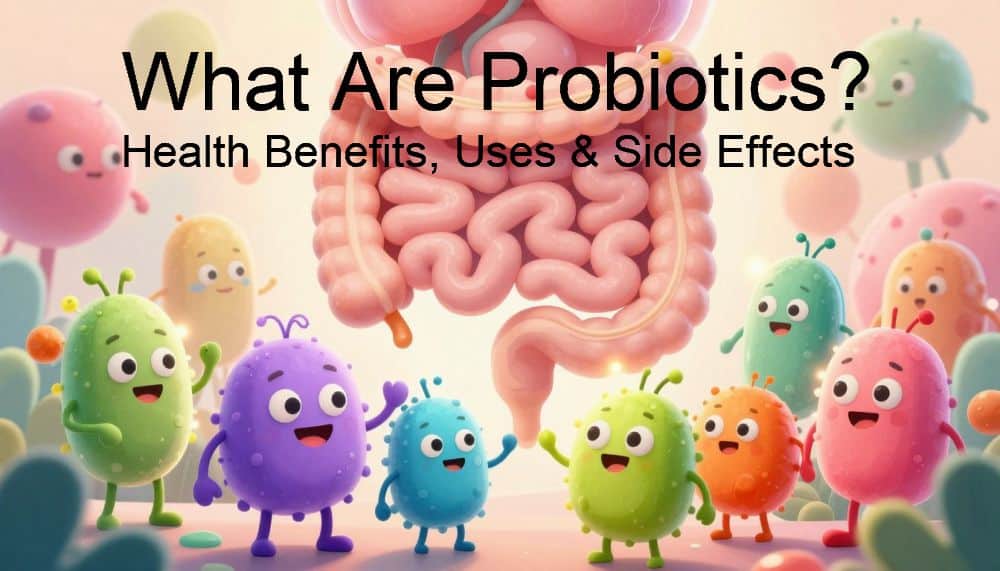
While there are many health benefits to discover, it is also important to understand their various uses. Knowing how they work helps you make informed choices for your daily lifestyle. However, some people may experience mild side effects as their bodies adjust to these new microorganisms.
Key Takeaways
- Identify the primary role of beneficial bacteria in daily digestion.
- Explore how these microbes support your immune system and energy.
- Learn about different forms, such as capsules and fermented foods.
- Understand common temporary reactions your body may have.
- Recognize how to choose the highest quality products for your needs.
Understanding Probiotics: Live Microorganisms for Your Health
The concept of probiotics revolves around their role as live microorganisms that confer health benefits. To grasp the significance of probiotics, it’s essential to understand what they are and how they function within the human body.
What Are Probiotics and How Are They Defined
Probiotics are live microorganisms, primarily bacteria, that are similar to the beneficial microorganisms found in the human body. They are often referred to as “good” or “friendly” bacteria because they help maintain a healthy balance of gut bacteria. The definition of probiotics is rooted in their ability to provide health benefits when consumed in adequate amounts.
The World Health Organization defines probiotics as “live microorganisms which, when administered in adequate amounts, confer a health benefit on the host.” This definition underscores the importance of the viability of these microorganisms and the necessity of consuming them in sufficient quantities to reap their benefits.
The Difference Between Probiotics and Regular Bacteria
Not all bacteria are created equal. While some bacteria can be harmful, probiotics are strains that have been identified as beneficial to health. The key difference between probiotics and regular bacteria lies in their intended use and effect on the body. Probiotics are selected for their ability to improve or restore the balance of the gut microbiome.
Unlike pathogenic bacteria that can cause disease, probiotics work in harmony with the body’s existing microbial communities. They help in maintaining a healthy gut environment, which is crucial for overall well-being.
Why Probiotics Are Called Beneficial Microorganisms
Probiotics are termed “beneficial microorganisms” due to their positive impact on health. They contribute to a range of health benefits, from improving digestion and boosting the immune system to producing vitamins and hormones that influence mood and overall health.
The beneficial effects of probiotics are attributed to their ability to colonize the gut, interact with the gut microbiome, and influence various physiological processes. By maintaining a healthy balance of gut bacteria, probiotics support the body’s natural defenses and contribute to overall health.
How Probiotics Work in Your Gut
Probiotics exert their beneficial effects primarily in the gut, where they interact with the complex ecosystem of the gut microbiome. This interaction is crucial for maintaining a healthy balance of bacteria, which is essential for overall digestive health.
The Role of Your Gut Microbiome
The gut microbiome consists of trillions of microorganisms living in your gastrointestinal tract. It plays a vital role in digestion, immune function, and even mental health. A balanced gut microbiome is key to preventing digestive disorders and maintaining overall well-being.
As Dr. Emeran Mayer, a renowned gastroenterologist, notes in his book, “The Gut-Immune Connection”:
“The gut microbiome is a complex ecosystem that influences our health in ways that are only beginning to be understood.”
How Probiotics Balance Bacteria in Your Gut
Probiotics help balance the bacteria in your gut by introducing beneficial microorganisms into your digestive system. This balance is crucial for proper digestion, absorption of nutrients, and prevention of digestive disorders.
| Beneficial Effects | Description |
|---|---|
| Improves Digestion | Probiotics aid in the breakdown and absorption of nutrients. |
| Boosts Immune System | By enhancing the gut barrier function, probiotics support immune health. |
| Reduces Symptoms of IBS | Probiotics can alleviate symptoms of Irritable Bowel Syndrome. |
The Connection Between Probiotics and Digestive Health
The connection between probiotics and digestive health is well-established. Probiotics can help alleviate symptoms of various digestive disorders by restoring the natural balance of gut bacteria.
- Relief from symptoms of Irritable Bowel Syndrome (IBS)
- Improved digestion and reduced bloating
- Enhanced immune function
By understanding how probiotics work in your gut, you can make informed decisions about incorporating them into your diet to support your digestive health.
Different Types of Probiotics and Probiotic Strains
The diversity of probiotic strains is vast, and understanding their differences is key to harnessing their health benefits. Probiotics are live microorganisms that provide health benefits when consumed, generally by improving or restoring the gut flora. Various strains of probiotics have different effects on the body, making it essential to understand the specific benefits of each.
Lactobacillus: The Most Common Probiotic Bacteria
Lactobacillus is one of the most commonly used probiotic genera. It is found in fermented foods like yogurt and kefir. Lactobacillus strains, such as Lactobacillus acidophilus and Lactobacillus rhamnosus, are known for their ability to support digestive health and boost the immune system.
These bacteria help in the digestion of food, absorption of nutrients, and production of vitamins. They can also help alleviate symptoms of irritable bowel syndrome (IBS) and inflammatory bowel disease (IBD).
Bifidobacterium Strains and Their Benefits
Bifidobacterium is another significant genus of probiotic bacteria. Strains like Bifidobacterium bifidum and Bifidobacterium lactis are commonly used. These bacteria are crucial for the health of the colon and are often used to support gut health and immune function.
Bifidobacterium strains can help with the digestion of complex carbohydrates and have been shown to improve symptoms of IBS. They also play a role in the prevention of infections by enhancing the barrier function of the intestinal lining.
Saccharomyces Boulardii and Other Beneficial Strains
Saccharomyces boulardii is a yeast probiotic that has been shown to have beneficial effects on gut health. Unlike bacterial probiotics, Saccharomyces boulardii is not affected by antibiotics, making it useful in certain clinical situations.
Other beneficial strains include Streptococcus thermophilus and various strains of Bacillus. Each of these strains has unique properties and benefits, ranging from improving lactose tolerance to enhancing immune response.
Understanding Colony Forming Units in Probiotic Products
When choosing a probiotic supplement, it’s essential to understand the concept of Colony Forming Units (CFU). CFU is a measure of the number of viable bacteria in a probiotic product. A higher CFU count typically indicates a more potent product.
However, the effectiveness of a probiotic is not solely determined by its CFU count. The specific strain and its proven benefits, as well as the product’s formulation and delivery mechanism, are also crucial factors.
Natural Food Sources of Probiotics
Probiotics aren’t just available in supplement form; they can also be found in a variety of tasty fermented foods. Incorporating these foods into your diet can be a delicious way to support your gut health.
Fermented Foods Like Yogurt, Kefir, and Kombucha
Fermented foods are among the richest sources of probiotics. Yogurt, for example, is a well-known probiotic food that contains live cultures of beneficial bacteria like Lactobacillus acidophilus and Bifidobacterium bifidum. Similarly, kefir, a fermented milk drink, offers a diverse range of probiotic bacteria and yeasts. Kombucha, a fermented tea drink, is another popular choice, containing a variety of probiotic strains.
These foods not only provide probiotics but are also rich in other nutrients. For instance, yogurt is an excellent source of calcium, while kefir is high in protein.
Probiotic-Rich Foods Including Kimchi and Sauerkraut
Beyond dairy products, other fermented foods are rich in probiotics. Kimchi, a traditional Korean side dish made from fermented vegetables, is teeming with probiotic bacteria. Similarly, sauerkraut, which is finely shredded cabbage fermented in its own juice, is a rich source of probiotics. These foods are not only probiotic-rich but also packed with vitamins and antioxidants.
Getting Probiotics from Food vs. Taking Supplements
While supplements can provide a concentrated dose of probiotics, getting probiotics from food has its advantages. Foods rich in probiotics often come with additional nutritional benefits. Moreover, the probiotics in foods may be more readily absorbed by the body.
| Food | Probiotic Strains | Additional Nutritional Benefits |
|---|---|---|
| Yogurt | Lactobacillus acidophilus, Bifidobacterium bifidum | High in calcium, protein |
| Kefir | Diverse range of bacteria and yeasts | Rich in protein, calcium |
| Kombucha | Variety of probiotic strains | Antioxidants |
| Kimchi | Multiple probiotic bacteria | Vitamins, antioxidants |
| Sauerkraut | Probiotic bacteria | Rich in vitamins C and K |
In conclusion, while both food sources and supplements can provide probiotics, incorporating a variety of probiotic-rich foods into your diet can offer a range of health benefits beyond just gut health.
Probiotic Supplements: Choosing the Right Dietary Supplement
Navigating the probiotic supplement landscape requires understanding what to look for in a product. With the growing interest in gut health, the market has seen a surge in probiotic supplements, making it challenging to choose the right one.
What to Look for in Probiotic Products
When selecting a probiotic supplement, several factors should be considered to ensure you choose a high-quality product. Look for products with clear labeling that includes the genus, species, and strain of the probiotic bacteria, as well as the CFU (Colony-Forming Units) count.
It’s also essential to check if the product has been tested for potency through the expiration date, not just at the time of manufacture. This ensures that the product remains effective throughout its shelf life.
Understanding CFU Counts and the Right Dose of Probiotics
CFU counts are a critical factor in determining the effectiveness of a probiotic supplement. CFU stands for Colony-Forming Units, which indicate the number of viable bacteria in a product. The CFU count can vary widely among products, ranging from a few billion to several hundred billion.
The right dose of probiotics depends on the specific health benefit you’re seeking. For general health maintenance, a lower CFU count may be sufficient, while specific health conditions may require higher doses.
| CFU Count | Potential Benefits |
|---|---|
| 1-5 billion | General health maintenance, digestive health |
| 10-50 billion | Immune system support, gut health |
| 50-100 billion | Specific health conditions, such as IBS |
Many Probiotics on the Market: How to Choose Quality
With numerous probiotic supplements available, choosing a quality product can be daunting. Third-party testing and certification can provide assurance of a product’s quality and potency.
“When choosing a probiotic supplement, it’s crucial to look beyond marketing claims and focus on the science behind the product.”
Dr. Jane Smith, Probiotics Researcher
Consider products that have undergone rigorous testing and have been certified by reputable third-party organizations. This can help ensure that the product contains the stated amount of probiotic bacteria and is free from contaminants.
Health Benefits of Probiotics: What Research Shows
Probiotics have been extensively researched for their numerous health benefits. The growing body of evidence supports the role of probiotics in maintaining and improving health across various bodily systems.
Probiotics Can Help Improve Your Gut Health
The gut microbiome plays a crucial role in overall health, and probiotics are known to positively influence this complex ecosystem. By introducing beneficial bacteria into the gut, probiotics can help balance the microbiome, leading to improved digestion and reduced symptoms of gastrointestinal disorders.
Improved gut health is associated with a range of benefits, from enhanced nutrient absorption to a stronger immune system. Research has shown that probiotics can help alleviate symptoms of bloating, gas, and other digestive discomforts.

Benefits for Irritable Bowel Syndrome and Digestive Disorders
Probiotics have been studied for their potential in managing Irritable Bowel Syndrome (IBS) and other digestive disorders. The evidence suggests that certain probiotic strains can reduce the severity of IBS symptoms, such as abdominal pain and irregular bowel movements.
A study published in a reputable medical journal found that patients with IBS who received probiotic treatment experienced significant improvements in their symptoms compared to those who received a placebo.
“Probiotics have been shown to be effective in reducing symptoms of IBS, improving quality of life for many patients.”
Dr. Jane Smith, Gastroenterologist
How Probiotics May Help Boost Your Immune System
The immune system is closely linked to the gut microbiome, and probiotics can play a role in supporting immune function. By enhancing the gut barrier and promoting a balanced immune response, probiotics can help protect against infections and autoimmune diseases.
| Probiotic Strain | Immune System Benefit |
|---|---|
| Lactobacillus acidophilus | Enhances antibody production |
| Bifidobacterium bifidum | Supports natural killer cell activity |
| Saccharomyces boulardii | Reduces incidence of infections |
Potential Benefits for Mental Health and Mood
Emerging research suggests a connection between the gut microbiome and mental health, often referred to as the gut-brain axis. Probiotics may have a positive impact on mental health by influencing this axis, potentially reducing symptoms of anxiety and depression.
While more research is needed, existing studies indicate that probiotics can have a beneficial effect on mood and cognitive function.
Skin Health and Other Overall Health Benefits
In addition to gut and mental health, probiotics may also benefit skin health. Some studies suggest that probiotics can improve skin conditions such as acne and eczema by reducing inflammation and promoting a healthy skin microbiome.
Overall, the health benefits of probiotics are diverse and supported by a growing body of research. Incorporating probiotics into one’s diet or supplement routine may lead to significant improvements in overall health and well-being.
Proven Uses: What Health Conditions Probiotics May Help
Probiotics have been studied for their potential benefits in various health conditions, offering a promising avenue for treatment and prevention. The growing body of research into probiotics has highlighted their possible applications in maintaining health and preventing disease.
Probiotics for the Prevention of Diarrhea
One of the well-documented uses of probiotics is in the prevention of diarrhea. Probiotics can help maintain the balance of gut bacteria, which is crucial for digestive health. Studies have shown that certain probiotic strains can reduce the incidence and duration of diarrhea, particularly in cases caused by antibiotics or infections.
“The use of probiotics for preventing diarrhea has been supported by various clinical trials, demonstrating their efficacy in different patient populations,” notes a recent review on probiotic therapy.
Supporting Treatment for Inflammatory Bowel Conditions
Probiotics are also explored for their potential in supporting the treatment of inflammatory bowel diseases (IBD) such as Crohn’s disease and ulcerative colitis. By modulating the gut microbiota, probiotics may help reduce inflammation and improve symptoms in some patients.
Using Probiotics for Various Health Goals
Beyond gastrointestinal health, probiotics are being investigated for their potential benefits in various other health areas. These include supporting immune function, enhancing mental health, and even contributing to skin health.
What Systematic Review and Meta-Analysis Studies Suggest
Systematic reviews and meta-analyses provide a comprehensive overview of the existing evidence on probiotics. These studies have suggested that probiotics can be beneficial for a range of health conditions, though the effectiveness can vary depending on the specific strain and condition being treated.
- Probiotics may help in the management of irritable bowel syndrome (IBS).
- They may also support immune system function.
- Some research indicates potential benefits for mental health.
The Science Behind Probiotics: Understanding the Evidence
As research continues to uncover the benefits of probiotics, it’s essential to understand the science that supports their use. Probiotics have been studied extensively for their potential to improve various aspects of health, from digestive issues to immune system function.
The human body is home to trillions of microorganisms, and maintaining a balance between beneficial and harmful bacteria is crucial for overall health. Probiotics research has focused on how these beneficial microorganisms can help restore balance to the gut microbiome.
What Research Suggests That Probiotics May Benefit
Numerous studies have investigated the potential benefits of probiotics, suggesting that they may help with a range of health issues. These include digestive disorders, such as irritable bowel syndrome (IBS), and immune system support. The evidence suggests that probiotics can have a positive impact on health by enhancing the gut barrier function and modulating the immune system.
Efficacy of Probiotics Based on Clinical Studies
Clinical studies have been crucial in determining the efficacy of probiotics for various health conditions. These studies have shown that certain probiotic strains can be effective in preventing and treating specific health issues, such as antibiotic-associated diarrhea and certain inflammatory bowel diseases.
The efficacy of probiotics can vary depending on the strain and dose used, highlighting the importance of choosing the right probiotic product for a specific health goal. Clinical studies continue to provide valuable insights into how different probiotics can be used effectively.
The Role of Probiotic Supplementation in Complementary and Integrative Health
Probiotic supplementation is increasingly being recognized as a valuable component of complementary and integrative health practices. By supporting gut health, probiotics can play a role in overall wellness and potentially help manage certain health conditions.
The integration of probiotics into a health regimen can be done through dietary changes or supplements. Understanding the science behind probiotics helps individuals make informed decisions about their use in maintaining and improving health.
How to Take Probiotics for Maximum Effectiveness
For probiotics to deliver their promised benefits, they must be taken in a manner that supports their viability and efficacy. This involves understanding the best practices for initiating probiotic supplementation, how to effectively add them to your diet, and the optimal timing and dosage.
Best Practices When You Start Taking Probiotics
When starting probiotics, it’s crucial to begin with a low dose to allow your gut microbiome to adjust. This can help minimize potential side effects such as bloating or gas. Gradually increasing the dose over time can help your body adapt and maximize the benefits of probiotics.
Choosing the right probiotic strain is also vital. Different strains have different benefits, so selecting a product that aligns with your health goals is important. For instance, Lactobacillus and Bifidobacterium strains are commonly used for digestive health.
Adding Probiotics to Your Diet: Food and Supplement Strategies
Probiotics can be incorporated into your diet through both food and supplements. Foods like yogurt, kefir, kimchi, and sauerkraut are rich in probiotics. When choosing a probiotic supplement, look for products with a guaranteed potency through the expiration date and a sufficient CFU (Colony-Forming Units) count.
Timing and Dosage: How Probiotics Work Best
The timing and dosage of probiotics can significantly impact their effectiveness. Taking probiotics on an empty stomach can help ensure that the bacteria survive the acidic environment of the stomach and reach the intestines alive. The optimal dosage varies depending on the strain and the individual’s health status.
Combining Probiotics and Prebiotics to Support Your Gut Health
Combining probiotics with prebiotics, known as synbiotics, can enhance their effectiveness. Prebiotics are non-digestible fibers that serve as food for probiotics, helping them thrive and colonize the gut. This synergy can lead to improved gut health and a stronger immune system.
Examples of prebiotic-rich foods include asparagus, bananas, and onions. When taken together with probiotics, these foods can create a supportive environment for beneficial bacteria to flourish.
Side Effects of Probiotics: What to Expect and Watch For
Understanding the potential side effects of probiotics is crucial for safe consumption. While generally considered safe, probiotics can cause adverse reactions in some individuals.
Common Side Effects When Taking Probiotic Supplements
When you start taking probiotic supplements, you may experience some common side effects. These can include:
- Mild stomach discomfort
- Bloating
- Gas
- Mild diarrhea or constipation
These symptoms are usually temporary and may subside as your body adjusts to the probiotics.
Possible Side Effects and Adverse Effects
In some cases, probiotics can cause more severe side effects, although this is rare. These can include:
- Infections in people with weakened immune systems
- Allergic reactions to certain probiotic strains
It’s essential to be aware of these potential risks, especially if you have underlying health conditions.
Understanding the Safety of Probiotics
The safety of probiotics is a topic of ongoing research. Generally, probiotics are considered safe for most people. However, certain individuals may be at risk for adverse effects.
When Probiotics May Cause Side Effects
Probiotics may cause side effects in people with compromised immune systems, such as those with:
- Severe illnesses
- Post-surgical conditions
- Those undergoing immunosuppressive therapy
Potential Health Risks for People with Underlying Health Conditions
Individuals with certain health conditions should exercise caution when taking probiotics. These conditions include:
| Condition | Potential Risk |
|---|---|
| Weakened immune system | Increased risk of infection |
| Short bowel syndrome | Potential for bacterial overgrowth |
| Critical illness | Risk of probiotic-induced sepsis |
It’s crucial to consult with a healthcare professional before starting probiotic supplements, especially if you have underlying health conditions.
Who Should Use Probiotics and Who Should Be Cautious
The decision to use probiotics should be based on a thorough understanding of their benefits and potential risks. Probiotics can be a valuable addition to a health regimen, but their suitability varies depending on individual health goals and circumstances.
Whether Probiotics Are Right for Your Health Goals
To determine if probiotics are right for you, consider your specific health objectives. Are you looking to improve your digestive health, boost your immune system, or manage a particular health condition? Probiotics have been shown to be beneficial for various health goals, including improving gut health and supporting the immune system.
Key considerations include:
- Your current health status
- Any underlying health conditions
- Your dietary habits and lifestyle
Probiotics Are Safe for Most People
For most individuals, probiotics are considered safe and can be a beneficial supplement. They occur naturally in fermented foods and are also available as dietary supplements. However, it’s essential to be aware of the potential for side effects, especially when first starting probiotic supplementation.
Generally, probiotics are well-tolerated, and serious side effects are rare. However, individuals with compromised immune systems or certain health conditions may need to exercise caution.
Special Considerations and When to Consult Your Doctor
While probiotics are safe for most people, there are certain situations where caution is advised. Individuals with weakened immune systems, critical illnesses, or those who are pregnant or breastfeeding should consult their healthcare provider before starting probiotics.
It’s also important to consult a healthcare professional if you:
- Have a serious health condition
- Are undergoing surgery or have recently had surgery
- Experience severe or persistent side effects from probiotics
By understanding your health goals and consulting with a healthcare professional when necessary, you can make an informed decision about whether probiotics are right for you.
Conclusion
Probiotics have emerged as a significant component in maintaining gut health and overall wellness. As discussed, these live microorganisms offer numerous health benefits when consumed in adequate amounts. From improving digestive health to boosting the immune system, probiotics play a crucial role in balancing the gut microbiome.
A summary of the key points highlights the various types of probiotics, including Lactobacillus and Bifidobacterium strains, and their specific benefits. Probiotics can be found in fermented foods like yogurt, kefir, and sauerkraut, or taken as dietary supplements. Understanding the right dosage and CFU counts is essential for maximum effectiveness.
In conclusion, incorporating probiotics into your diet can lead to significant health improvements. As research continues to uncover the full potential of probiotics, it’s clear that they offer a natural and effective way to support overall health. This probiotics conclusion underscores their importance in preventive healthcare and wellness strategies.
FAQ
What exactly are probiotics and how do they benefit me?
In short, probiotics are live microorganisms that provide a significant health benefit when consumed in the right amounts. Often referred to as “friendly” bacteria, these tiny organisms help maintain a thriving gut microbiome. By adding probiotics to your daily routine, you can support your overall health, improve digestive health, and help keep your gut healthy and balanced.
How do probiotics work within the digestive system?
Inside your body, probiotics work by populating the gut microbiota with beneficial microorganisms. They help balance bacteria in your gut by crowding out harmful microbes and restoring the natural equilibrium. This process is essential for digestive efficiency and can provide health benefits like improved nutrient absorption and a strengthened immune system.
What are the most common types of probiotics found in supplements and food?
There are many types of probiotics, but the most well-researched strains of probiotics belong to the Lactobacillus and Bifidobacterium groups. Another common and highly effective microorganism is the beneficial yeast Saccharomyces Boulardii. When looking for a probiotic product, you will often see these names listed on the label along with the Colony Forming Units (CFU) count.
Can I get enough probiotics from food, or do I need a probiotic supplement?
Many people choose to get probiotics naturally through probiotic-rich foods. Excellent sources of probiotics include fermented foods such as yogurt, kefir, sauerkraut, kimchi, and kombucha. However, if you have specific health goals or a health condition, taking probiotic supplements can provide a more concentrated and consistent dose of probiotics to target those needs.
What does the scientific research say about the efficacy of probiotics?
A systematic review and meta-analysis of various clinical studies suggests that probiotics may help with several issues. Specifically, found that probiotics are highly effective for irritable bowel syndrome, the prevention of diarrhea, and supporting those with inflammatory bowel conditions. Beyond the gut, the effect of probiotics has shown potential benefits for skin health and mental health.
Are there any side effects of probiotics I should be aware of?
Generally, probiotics are safe for most healthy individuals. However, some people might experience common side effects such as mild gas or bloating when they first start taking probiotics. These possible side effects are usually temporary as your gut bacteria adjust. If you have an underlying health condition or a compromised immune system, the safety of probiotics should be discussed with a healthcare professional like Dr. Mary Ellen Sanders from the International Scientific Association for Probiotics and Prebiotics (ISAPP).
What is the difference between probiotics and prebiotics?
While they sound similar, probiotics and prebiotics have different roles. Probiotics are live beneficial bacteria, while prebiotics are specialized plant fibers that act as “food” for the bacteria in the gut. Combining both—often found in a probiotic supplement or by eating a diverse diet—can significantly support your gut health and enhance the beneficial effects of the probiotic bacteria.
How do I choose the right probiotic product for my needs?
With many probiotics on the market, it’s important to choose one based on the specific strains of probiotics that address your concerns. Check the label for Colony Forming Units (CFU) to ensure a high enough dose of probiotics remains active until the expiration date. Brands like Culturelle or Align are often recommended because their probiotic strains have been extensively studied in clinical trials to ensure the efficacy of probiotics.
Can taking probiotics help with my immune system?
Yes, probiotics can help boost your body’s natural defenses. Since a large portion of the immune system is located in the gut, maintaining a healthy gut microbiome through probiotic supplementation or probiotic-rich foods can improve your body’s immune response. Research suggests that probiotics may benefit the body’s ability to fight off common infections and reduce inflammation.
Is there a specific time of day I should take my probiotics?
To maximize the role of probiotic bacteria, many experts suggest using probiotics either right before breakfast or just before bed. The goal is to ensure the live microorganisms survive the journey through your stomach acid. Whether probiotics work better with or without food can depend on the specific probiotic product, so always follow the instructions on the packaging for the best results from probiotics.