









Staying healthy starts with understanding every essential nutrient your body needs each day. One prominent example is ascorbic acid, a simple compound found in citrus fruits. Since our bodies do not make it, we must find uses through food to maintain wellness.
This helpful antioxidant vitamin keeps cells safe and helps your body fight off illness. While health benefits are great, knowing the right dose and side effects is key for safety. Following precautions ensures you get the most out of your regimen without having issues.
Taking this nutrient can improve your skin and help you take in iron from plants. It acts as a vital part of collagen, which keeps your bones and skin strong. Understanding the right amount helps you avoid digestive discomfort while staying healthy.
Key Takeaways
- It is a vital water-soluble compound for humans.
- The body requires external sources like food or supplements.
- It acts as a primary immune system booster.
- Proper intake prevents potential digestive side effects.
- It aids in collagen production and iron absorption.
- Always follow safety guidelines for long-term health.
Understanding Vitamin C as an Essential Nutrient
Understanding Vitamin C as an essential nutrient is fundamental to appreciating its importance in human health. Vitamin C, or ascorbic acid, is a water-soluble vitamin that plays a critical role in various bodily functions.
The Chemical Nature of Ascorbic Acid
Vitamin C is known chemically as ascorbic acid, a compound that is highly soluble in water. This characteristic is crucial because it influences how Vitamin C is absorbed and utilized by the body. Ascorbic acid is a powerful reducing agent, which means it can easily donate electrons to other molecules, thereby neutralizing free radicals and protecting cells from oxidative damage.
Why the Human Body Cannot Store Vitamin C
Unlike some other vitamins, Vitamin C is water-soluble, meaning the human body cannot store it in significant amounts. Excess Vitamin C is excreted in the urine, making regular intake necessary to maintain adequate levels. This characteristic underscores the importance of a consistent dietary source of Vitamin C to support ongoing bodily functions.
The Role of Vitamin C in Biological Processes
Vitamin C is integral to numerous biological processes. It is a critical co-factor in the synthesis of collagen, a protein that gives structure to skin, bones, and connective tissue. Additionally, Vitamin C plays a significant role in the production of neurotransmitters and hormones, supports the immune system by enhancing the function of various immune cells, and aids in the absorption of iron from plant-based foods.
Given the importance of Vitamin C in these processes, its deficiency can lead to a range of health issues, from impaired immune function to more severe conditions like scurvy.
The Primary Health Benefits of Vitamin C
As an essential nutrient, Vitamin C contributes significantly to various bodily functions. Its importance is multifaceted, ranging from supporting the immune system to enhancing the absorption of essential minerals.
Immune System Support and Function
Vitamin C is well-documented for its role in supporting immune function. It helps in the production of white blood cells, which are vital for fighting off infections. A robust immune system is crucial for overall health, and Vitamin C plays a significant part in maintaining this robustness.
Key immune-boosting functions of Vitamin C include:
- Enhancing the production of white blood cells
- Supporting the integrity of epithelial barriers
- Aiding in the healing process of wounds
Antioxidant Properties and Cellular Protection
One of the most significant benefits of Vitamin C is its antioxidant property. It helps protect cells from damage caused by free radicals, which are unstable molecules that can cause oxidative stress. This protection is crucial for preventing chronic diseases such as heart disease and cancer.
“Vitamin C is an antioxidant that helps protect cells from damage. It is involved in many bodily processes, including the synthesis of collagen, absorption of iron, and the proper functioning of the immune system.”
Collagen Synthesis and Skin Health
Vitamin C is essential for the synthesis of collagen, a protein that gives structure to our skin, bones, and connective tissue. Adequate Vitamin C intake is necessary for healthy skin, as it helps in maintaining skin elasticity and firmness.
| Benefits for Skin Health | Description |
|---|---|
| Improves Skin Elasticity | Vitamin C helps in maintaining the elasticity of the skin, making it look more youthful. |
| Enhances Collagen Production | It is crucial for the production of collagen, a protein that gives structure to the skin. |
| Reduces Appearance of Fine Lines | By improving skin elasticity and collagen production, Vitamin C can reduce the appearance of fine lines and wrinkles. |
Enhancing Iron Absorption from Plant-Based Foods
Vitamin C plays a significant role in enhancing the absorption of iron from plant-based foods. Iron deficiency is a common nutritional disorder, and consuming Vitamin C-rich foods along with iron-rich plant-based foods can help mitigate this issue.
For example, consuming orange juice (rich in Vitamin C) with iron-fortified cereals or beans can significantly enhance iron absorption.
Dietary Sources and Optimal Vitamin C Intake
To reap the benefits of Vitamin C, it’s essential to understand the best dietary sources and how to maximize intake through proper food preparation and storage. Vitamin C is a water-soluble vitamin found in various foods, and its intake is crucial for maintaining overall health.
Natural Food Sources of Vitamin C
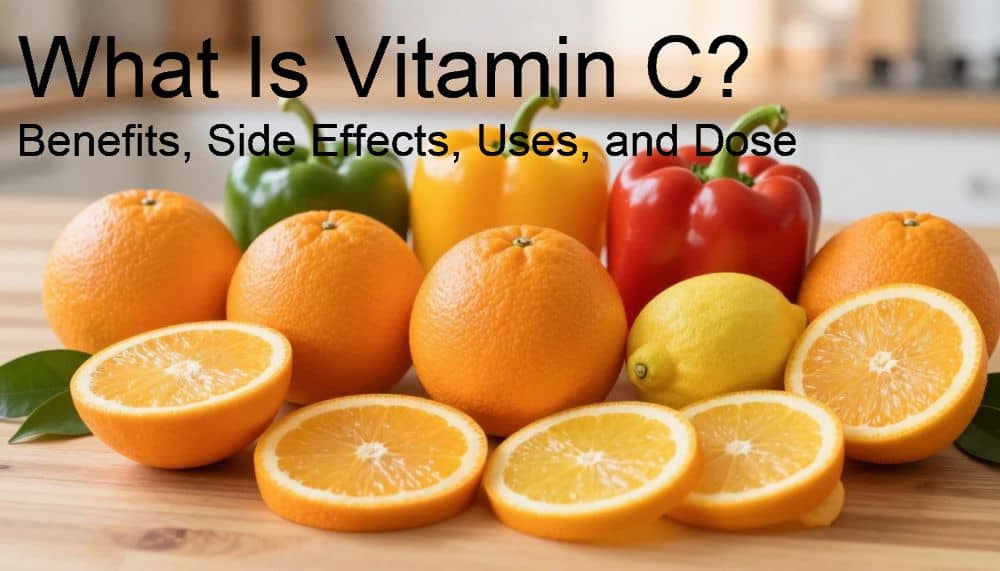
Vitamin C is abundantly found in fruits and vegetables. Some of the richest sources include citrus fruits like oranges and grapefruits, strawberries, kiwis, and leafy green vegetables such as spinach and kale. Other good sources are bell peppers, broccoli, and tomatoes.
Citrus fruits are not only high in Vitamin C but also provide a good amount of fiber and flavonoids, contributing to their health benefits. Strawberries and kiwis are also excellent choices, offering a sweet and nutritious way to boost Vitamin C intake.
Recommended Daily Allowances for Different Age Groups
The recommended daily intake of Vitamin C varies by age, sex, and other factors such as smoking status. Generally, the Recommended Dietary Allowance (RDA) for Vitamin C is between 75 mg for adult women and 90 mg for adult men per day. Pregnant and lactating women have higher requirements.
| Age Group | RDA for Vitamin C (mg/day) |
|---|---|
| Infants 0-6 months | 40 |
| Infants 7-12 months | 50 |
| Children 1-3 years | 15 |
| Children 4-8 years | 25 |
| Men | 90 |
| Women | 75 |
Factors Influencing Vitamin C Levels in the Body
Several factors can influence Vitamin C levels in the body, including dietary habits, lifestyle choices, and certain medical conditions. Smoking, for instance, is known to deplete Vitamin C levels, as it increases oxidative stress.
Stress and infections can also affect Vitamin C status, as the vitamin is utilized in higher amounts during these conditions to support immune function.
How Cooking and Storage Affect Vitamin C Content
Cooking and storage methods can significantly impact the Vitamin C content in foods. Vitamin C is sensitive to heat, water, and oxygen, making it prone to degradation when foods are cooked or stored improperly.
To minimize loss, it’s recommended to consume fruits and vegetables raw or lightly cooked. Steaming is a preferable cooking method as it uses less water and heat compared to boiling.
Signs and Risks of Vitamin C Deficiency
Recognizing the signs of Vitamin C deficiency is essential for preventing its progression. Vitamin C deficiency, also known as hypovitaminosis C, can lead to a variety of health issues if not addressed promptly.
Early Symptoms of Low Vitamin C Levels
The early symptoms of Vitamin C deficiency can be subtle but may include fatigue, malaise, and inflammation. As the deficiency progresses, more pronounced symptoms such as joint pain, bleeding gums, and poor wound healing may become apparent.
It’s crucial to be aware of these early signs to take preventive measures. A diet rich in Vitamin C can help mitigate these symptoms.
The Impact of Severe Deficiency on Health
A severe Vitamin C deficiency can lead to scurvy, a disease characterized by connective tissue weakness, bleeding gums, and poor wound healing. Scurvy can significantly impact an individual’s quality of life and, if left untreated, can be life-threatening.
The table below summarizes the health impacts associated with Vitamin C deficiency:
| Condition | Symptoms | Health Impact |
|---|---|---|
| Mild Deficiency | Fatigue, malaise | General feeling of being unwell |
| Moderate Deficiency | Joint pain, bleeding gums | Increased risk of infections |
| Severe Deficiency (Scurvy) | Connective tissue weakness, poor wound healing | Life-threatening if untreated |
Populations at Higher Risk for Lack of Vitamin C
Certain populations are at a higher risk for Vitamin C deficiency, including smokers, individuals with limited dietary variety, and those with certain medical conditions. Smokers, for instance, require more Vitamin C due to the oxidative stress caused by smoking.
Diagnostic Approaches Used by Health Professionals
Health professionals diagnose Vitamin C deficiency through a combination of clinical evaluation, medical history, and laboratory tests. Laboratory tests may include measuring Vitamin C levels in the blood or assessing the presence of symptoms associated with deficiency.
Early diagnosis and treatment can prevent the progression of Vitamin C deficiency and its associated health risks.
Guidelines for Vitamin C Supplementation
Deciding to take vitamin C supplements requires an understanding of individual nutritional needs and health goals. Vitamin C supplementation can be beneficial for those who have difficulty obtaining sufficient amounts through diet alone.
When to Consider Taking a Vitamin C Supplement
Certain individuals may benefit from vitamin C supplements, including those with limited dietary intake, smokers, and people experiencing high levels of physical stress. Consulting a healthcare provider is essential to determine if supplementation is necessary.
- Individuals with a restrictive diet
- Smokers, as smoking depletes vitamin C levels
- People under significant physical or emotional stress
Determining the Right Dose of Ascorbic Acid
The appropriate dose of vitamin C can vary based on age, health status, and specific needs. The recommended daily allowance (RDA) ranges from 15 mg for infants to 90 mg for adult men, with an upper limit of 2000 mg per day to avoid adverse effects.
It’s crucial to be aware of the upper intake limits to avoid potential side effects such as gastrointestinal disturbances.
| Age Group | RDA (mg/day) | Upper Limit (mg/day) |
|---|---|---|
| Infants 0-6 months | 40 | N/A |
| Adult Men | 90 | 2000 |
| Adult Women | 75 | 2000 |
Understanding High-Dose Vitamin C Protocols
High-dose vitamin C protocols are sometimes used therapeutically, particularly in clinical settings for conditions like cancer or severe infections. These protocols require careful monitoring by healthcare professionals due to the risk of adverse effects.
Quality Control and Choosing a Vitamin Supplement
When selecting a vitamin C supplement, it’s vital to consider the quality and purity of the product. Look for supplements that have been tested by third-party organizations and adhere to good manufacturing practices (GMPs).
- Check for third-party certifications
- Ensure the product is manufactured according to GMPs
- Be aware of the ingredient list and potential allergens
By following these guidelines and consulting with a healthcare provider, individuals can make informed decisions about vitamin C supplementation to support their health and well-being.
Potential Side Effects and Safety Precautions
While Vitamin C is generally considered safe, excessive intake can lead to adverse effects. It is crucial to understand these potential side effects to ensure safe supplementation.
Common Adverse Effects of Taking Too Much Vitamin C
Consuming high doses of Vitamin C can cause several common adverse effects. These include:
- Gastrointestinal disturbances, such as diarrhea and stomach cramps, due to the high acidity of Vitamin C.
- Nausea and vomiting, which can occur as the body tries to expel the excess Vitamin C.
- Headaches and fatigue, possibly due to the body’s reaction to high doses of ascorbic acid.
Serious Side Effects and Toxicity Risks
Although rare, serious side effects can occur with extremely high doses of Vitamin C. These may include:
- Kidney stone formation, as excessive Vitamin C can be metabolized into oxalate, a component of kidney stones.
- Iron overload, particularly in individuals with hemochromatosis, as Vitamin C enhances iron absorption.
Precautions for Individuals with Specific Health Conditions
Certain individuals should exercise caution when taking Vitamin C supplements. These include:
- People with kidney disease, as they may be more susceptible to the adverse effects of high doses of Vitamin C.
- Individuals with a history of kidney stones, as high doses of Vitamin C may increase the risk of stone formation.
Consulting a Health Care Provider Before Starting Supplements
It is essential to consult with a healthcare provider before starting any Vitamin C supplementation, especially if you have underlying health conditions or are taking other medications. A healthcare professional can help determine the appropriate dose and monitor for any potential side effects.
Comparing Oral, Topical, and Intravenous Vitamin C
The versatility of Vitamin C is evident in its multiple forms of administration, including oral, topical, and intravenous routes. Each method has its unique benefits and is suited for different health goals and needs.
Efficacy of Oral Vitamin C Versus Intravenous Administration
Oral Vitamin C is the most common form of supplementation, offering a convenient way to boost Vitamin C levels. However, its efficacy can be limited by the body’s absorption capacity. In contrast, intravenous Vitamin C administration bypasses the gastrointestinal tract, allowing for much higher concentrations of Vitamin C in the blood.
Intravenous Vitamin C is often used in clinical settings for its potent antioxidant effects and potential therapeutic benefits in conditions such as cancer and sepsis. While oral Vitamin C is beneficial for general health, intravenous administration may be more effective for achieving high doses required for certain medical treatments.
The Role of Topical Vitamin C in Dermatology
Topical Vitamin C has gained popularity in dermatology for its antioxidant properties and ability to improve skin health. It can help reduce the appearance of fine lines and wrinkles, enhance collagen production, and protect the skin from environmental stressors.
Topical application allows Vitamin C to be directly absorbed into the skin, where it can exert its benefits locally. This method is particularly useful for individuals looking to improve skin texture and reduce signs of aging.
Absorption Rates and Bioavailability Differences
The absorption rate and bioavailability of Vitamin C vary significantly among oral, topical, and intravenous administration. Oral Vitamin C has limited bioavailability due to saturation kinetics, whereas intravenous Vitamin C achieves much higher plasma concentrations.
Topical Vitamin C absorption depends on the formulation and skin condition, but it can be effective for localized benefits. Understanding these differences is crucial for choosing the most appropriate method of Vitamin C administration based on individual health goals.
- Oral Vitamin C: Convenient but limited by absorption capacity
- Intravenous Vitamin C: Achieves high doses, used in clinical settings
- Topical Vitamin C: Effective for skin health and localized benefits
Interactions Between Vitamin C and Other Antioxidants
Understanding how Vitamin C interacts with other antioxidants can provide insights into optimizing nutritional intake. Vitamin C is not isolated in its functions within the body; it works in tandem with other nutrients to enhance overall health.
Synergistic Effects of Vitamin C and Vitamin E
Vitamin C and Vitamin E are two powerful antioxidants that have a synergistic relationship. Vitamin C can regenerate Vitamin E by reducing the Vitamin E radical back to its active form, thereby enhancing the antioxidant capacity of both vitamins. This synergy is crucial for protecting cells from oxidative damage.
The combination of Vitamin C and E has been shown to be particularly effective in:
- Protecting against lipid peroxidation
- Enhancing skin health by reducing signs of aging
- Supporting eye health by protecting against age-related macular degeneration
Influence on Other Nutrient Status
Vitamin C’s influence extends beyond its antioxidant properties; it also affects the status of other nutrients in the body. For instance, Vitamin C enhances iron absorption, particularly from plant-based sources, by converting poorly soluble ferric iron into the more soluble ferrous form.
Moreover, Vitamin C can influence the status of other antioxidants and nutrients, such as:
- Vitamin E, as discussed, through regeneration
- Other nutrients like folate and Vitamin B12, by potentially enhancing their stability or absorption
Managing Supplement Combinations
When managing supplement combinations, it’s essential to consider the interactions between different nutrients. A balanced supplement regimen that includes Vitamin C, along with other antioxidants like Vitamin E, can provide comprehensive antioxidant support.
To maximize the benefits of Vitamin C and other antioxidants, consider the following:
- Consult with a healthcare professional to determine the best supplement combination for your needs
- Be aware of the potential for adverse interactions with medications or other supplements
- Monitor your body’s response to new supplements and adjust as necessary
Conclusion
Vitamin C is a vital nutrient that plays a significant role in maintaining overall health and well-being. As discussed, its benefits range from supporting immune function and acting as an antioxidant to enhancing iron absorption and promoting collagen synthesis. Ensuring adequate Vitamin C intake is crucial, whether through a balanced diet rich in fruits and vegetables or through supplementation.
The importance of Vitamin C is underscored by data from the National Health and Nutrition Examination, highlighting the need for awareness about Vitamin C deficiency and its health implications. By understanding the role of Vitamin C in health and nutrition, individuals can make informed decisions about their dietary habits and supplement use.
In conclusion, incorporating sufficient Vitamin C into one’s daily regimen can have a profound impact on health. By prioritizing Vitamin C intake, individuals can reap its numerous benefits, from enhanced immune support to improved overall nutrition.
FAQ
What exactly is Vitamin C and why is it considered an essential nutrient?
Vitamin C is an essential nutrient, also known as ascorbic acid, that the human body cannot produce on its own. Because it is a water-soluble vitamin, our bodies do not store vitamin c for long periods, making a regular intake of vitamin c necessary for maintaining health. It plays an important role in various biological functions, acting as a powerful antioxidant vitamin that protects cells from oxidative stress and supports the immune system.
What are the primary health benefits of vitamin c?
The benefits of vitamin c are extensive. Vitamin c plays a vital role in collagen synthesis, which is necessary for healthy skin, tendons, and ligaments. Additionally, vitamin c helps enhance the absorption of non-heme iron from plant-based foods and is widely used for its role of vitamin c in immune defense. Many people take vitamin c supplements to help reduce the duration of common colds, as c for preventing and treating respiratory infections has been a focus of numerous clinical studies.
How much vitamin c should I take daily to maintain optimal levels?
The recommended daily amount of vitamin c varies based on age, life stage, and lifestyle factors. According to the National Institutes of Health, the general recommendation for adult men is 90 mg of vitamin c and 75 mg for adult women. However, smokers may require a higher daily amount of vitamin c to combat increased oxidative stress. Ensuring you get enough vitamin c through dietary vitamin c sources like citrus fruits, berries, and broccoli is the best way to maintain healthy vitamin c status.
What happens if I have a vitamin c deficiency?
A lack of vitamin c can lead to a condition known as scurvy, though this is rare in developed nations. Early signs of low vitamin c levels include fatigue, inflamed gums, and easy bruising. If you suspect you have low vitamin c, health professionals can perform tests to check your concentrations of vitamin c. Those with little vitamin c in their diet are at a higher risk, and a health care provider may recommend a specific vitamin c protocol to restore healthy levels.
Can taking too much vitamin c cause side effects?
While the body flushes out excess amounts, taking too much vitamin c can still lead to possible side effects. Consuming large amounts of vitamin c (typically over 2,000 mg per day) may cause side effects such as diarrhea, nausea, and abdominal cramps. In some cases, a very high dose might increase the risk of kidney stones. Always follow the recommendations for vitamin c intake and consult a professional before starting high doses of vitamin c.
Is there a difference between oral vitamin c and intravenous vitamin c?
Yes, there is a significant difference in vitamin c versus different administration methods. Oral vitamin c is the most common form found in a vitamin supplement, but its absorption is limited by the digestive system. Intravenous vitamin c, on the other hand, allows for much high concentrations of vitamin c in the bloodstream. The administration of vitamin c via IV is often reserved for clinical settings or specific medical therapies where a high-dose vitamin c effect is required.
How do vitamin c and vitamin e work together?
Vitamin c and vitamin e are a powerful duo in the world of health and nutrition. As an antioxidant vitamin, vitamin c helps “recharge” Vitamin E after it has neutralized a free radical. This synergy between c and e provides superior protection for cellular membranes. Many people choose to take a vitamin c supplement that includes other antioxidants to maximize the effects of vitamin c supplementation.
What should I look for when choosing a vitamin c supplement?
When you take vitamin c, look for reputable brands that provide a clear dose of ascorbic acid. Some vitamin c supplements may include bioflavonoids to mimic the way vitamin c from food is absorbed. Research, such as data from the National Health and Nutrition Examination survey and the Health Study II, suggests that the quality and vitamin c content of the supplement matter for long-term vitamin c levels. Always check for third-party testing to ensure you are using a high-quality source of vitamin c.
Does cooking affect the amount of vitamin c in my food?
Yes, because vitamin c is also sensitive to heat and light, cooking can reduce the vitamin c content of your vegetables. To retain as much vitamin c as possible, it is best to steam or microwave foods briefly rather than boiling them for long periods. Eating a variety of raw fruits and vegetables that contain vitamin c is the most effective way to ensure your intakes of vitamin C remain sufficient for your daily needs.
Is topical vitamin c effective for skin health?
Topical vitamin c is highly regarded in dermatology. Unlike supplemental vitamin c taken by mouth, applying a vitamin c serum directly to the skin can help with brightening and protecting against environmental damage. Vitamin c plays an important role in skin repair, and using vitamin c topically can provide localized benefits that oral vitamin c might not achieve as quickly.