









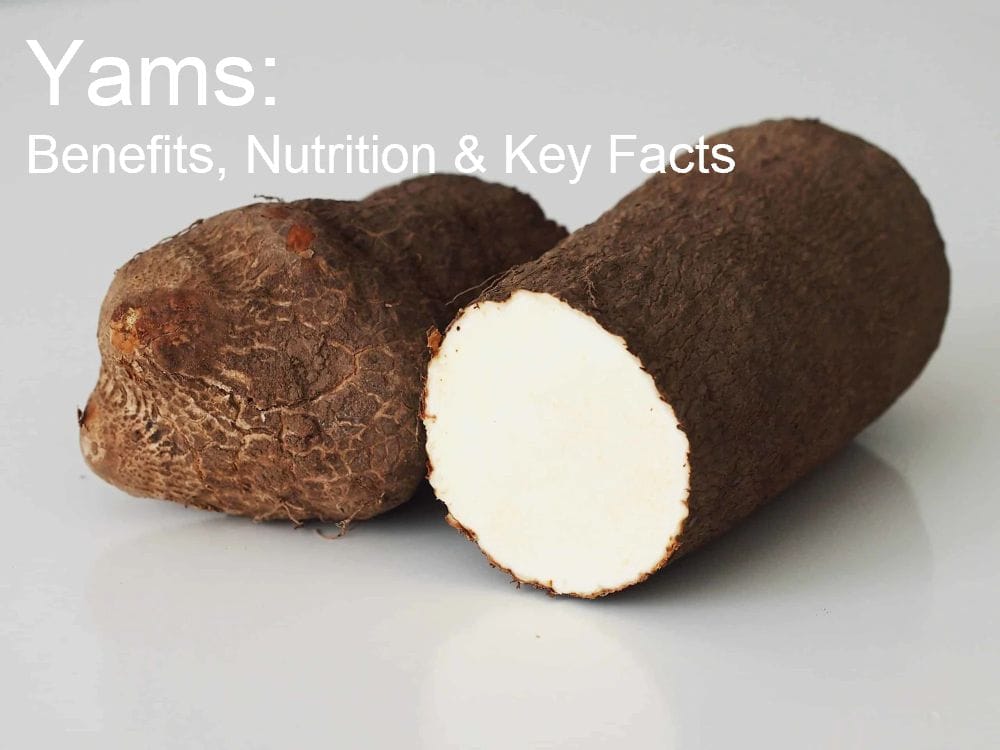

Yams are a nutritious root vegetable that has been a staple food in many cultures for centuries. Rich in essential vitamins and minerals, they provide numerous health benefits when consumed as part of a balanced diet.
This versatile vegetable is an excellent source of fiber and vital nutrients, making it a great addition to meals. With its rich nutritional profile, it’s no wonder that yams are celebrated for their role in supporting overall health and well-being.
Key Takeaways
- Yams are rich in vitamins and minerals.
- They are an excellent source of dietary fiber.
- Yams support overall health and well-being.
- They are a versatile ingredient in many cuisines.
- Nutritionally, yams are a valuable addition to a balanced diet.
What Are Yams? The Versatile Root Vegetable
Often confused with sweet potatoes, yams are a distinct type of root vegetable with a fascinating history and diverse uses. While both are starchy and often referred to interchangeably in recipes, they belong to different botanical families and have distinct characteristics.
True Yams vs. Sweet Potatoes: Understanding the Difference
The main difference between true yams and sweet potatoes lies in their origin, texture, and taste. True yams belong to the Dioscoreaceae family and are native to Africa and Asia. They are starchier and drier than sweet potatoes, with a rough, scaly skin that’s hard to peel. In contrast, sweet potatoes are from the Convolvulaceae family, originating from the Americas, and have a softer, sweeter flesh.
Common Types of Yams Around the World
Yams are incredibly diverse, with over 600 varieties worldwide. They come in various sizes, shapes, and colors, catering to different culinary traditions.
Purple Yams and Their Unique Properties
Purple yams, also known as Dioscorea alata, are particularly noteworthy for their vibrant color and nutritional profile. They contain diosgenin, a compound that has been studied for its potential health benefits, including anti-inflammatory properties.
Other Popular Varieties
Other popular types of yams include the water yam, known for its soft, easily peelable skin, and the Chinese yam, valued for its medicinal properties. Each variety offers unique flavors and textures, making yams a versatile ingredient in global cuisine.
In summary, yams are a diverse group of root vegetables that are rich in nutrients and culinary possibilities. Understanding the different types of yams and their characteristics can help in appreciating their role in various cultures and cuisines.
Nutritional Profile of Yams
The nutritional profile of yams is impressive, offering a wealth of health benefits due to their rich content of vitamins, minerals, and antioxidants. Yams are a nutrient-dense food that provides a range of essential nutrients, making them an excellent addition to a healthy diet.
Macronutrients in Yams
Yams are primarily composed of complex carbohydrates, which are an essential source of energy for the body. They are also rich in dietary fiber, which plays a crucial role in maintaining a healthy digestive system.
Complex Carbohydrates and Fiber Content
Complex carbohydrates in yams are beneficial for sustained energy release. The high fiber content in yams supports healthy gut bacteria and promotes regular bowel movements. A diet rich in fiber can also help lower cholesterol levels and manage blood sugar levels.
- Complex Carbohydrates: Provide sustained energy
- Fiber Content: Supports digestive health and healthy gut bacteria
Protein and Fat Content
While yams are not a significant source of protein or fat, they do contain small amounts of these macronutrients. The protein content in yams contributes to overall protein intake, and the fat content is relatively low, making yams a heart-healthy choice.
Vitamins and Minerals in Yams
Yams are a rich source of various essential vitamins and minerals. They are particularly high in vitamin C, vitamin B6, and potassium, among other nutrients.
Essential Vitamins: B, C, and More
Yams are an excellent source of vitamin C, which is vital for immune function and skin health. They also contain various B vitamins, including vitamin B6, which plays a role in many bodily processes, including energy metabolism and nerve function.
- Vitamin C: Boosts immune function and supports skin health
- Vitamin B6: Involved in energy metabolism and nerve function
Key Minerals: Potassium, Manganese, and Copper
Yams are rich in potassium, an essential mineral that helps regulate blood pressure and supports heart health. They also contain manganese and copper, which play roles in antioxidant functions and connective tissue health, respectively.
- Potassium: Regulates blood pressure and supports heart health
- Manganese: Acts as an antioxidant
- Copper: Supports connective tissue health
Antioxidants Present in Yams
Yams contain a range of antioxidants, including vitamin C and various phytochemicals, which help protect the body against oxidative stress and inflammation. These antioxidants contribute to the overall health benefits associated with yam consumption.
In conclusion, the nutritional profile of yams is diverse and beneficial, making them a valuable component of a healthy diet. Their richness in complex carbohydrates, fiber, vitamins, and minerals, along with their antioxidant properties, underscores their importance in maintaining overall health and well-being.
Health Benefits of Yams
Rich in nutrients and antioxidants, yams have been found to provide several health benefits, from improving heart health to alleviating menopause symptoms. These versatile root vegetables are not only a staple in many cuisines but also offer a range of advantages that can enhance overall well-being.
Digestive Health and Gut Bacteria Support
Yams are an excellent source of dietary fiber, which plays a crucial role in maintaining healthy digestion. The fiber in yams helps to regulate bowel movements, preventing constipation and supporting the growth of beneficial gut bacteria. A healthy gut microbiome is essential for a strong immune system, and consuming yams can contribute to this balance.
Prebiotic properties of yams also aid in nourishing the good bacteria in the gut, further enhancing digestive health. By supporting a balanced gut flora, yams can help in reducing symptoms of digestive disorders and promoting overall gut health.
Blood Sugar Management
The fiber content in yams also helps in managing blood sugar levels. By slowing down the absorption of sugar into the bloodstream, yams can prevent sudden spikes in blood glucose. This makes them a beneficial food for individuals with diabetes or those at risk of developing the condition.
Additionally, yams have a relatively low glycemic index, which means they are less likely to cause a rapid increase in blood sugar levels. This characteristic, combined with their fiber content, makes yams a good choice for maintaining stable blood sugar levels.
Heart Health and Cholesterol Regulation
Yams are rich in potassium, an essential mineral that helps in regulating blood pressure. High blood pressure is a significant risk factor for heart disease, and consuming potassium-rich foods like yams can help mitigate this risk. Furthermore, the fiber in yams can aid in lowering cholesterol levels by binding to bile acids and removing them from the body, thereby reducing the amount of cholesterol produced in the liver.
The antioxidants present in yams also contribute to heart health by protecting against oxidative stress and inflammation, both of which are associated with an increased risk of cardiovascular disease.
Women’s Health and Menopause Symptom Relief
Yams have been traditionally used to alleviate symptoms associated with menopause. They are believed to have a phytoestrogenic effect, meaning they can mimic some of the effects of estrogen in the body, potentially reducing the severity of menopausal symptoms such as hot flashes and mood swings.
While more research is needed to fully understand the extent of yams’ benefits for menopause symptoms, their nutritional profile and potential hormonal effects make them a valuable dietary inclusion for women during this phase of life.
Anti-inflammatory and Antioxidant Effects
Yams contain a variety of antioxidants, including vitamin C, vitamin E, and beta-carotene, which help protect the body against oxidative stress and inflammation. Chronic inflammation is associated with numerous health conditions, including arthritis, diabetes, and cardiovascular disease.
By incorporating yams into your diet, you can benefit from their anti-inflammatory properties, potentially reducing the risk of these chronic conditions and promoting overall health and well-being.
How to Incorporate Yams Into Your Diet
To reap the benefits of yams, it’s essential to know how to select, store, and cook them properly. Yams are a versatile ingredient that can be used in a variety of dishes, from savory meals to sweet desserts.
Selecting and Storing Fresh Yams
Choosing the right yams and storing them correctly is crucial for maintaining their nutritional value and flavor.
What to Look for When Buying Yams
When selecting yams, look for firm tubers with smooth skin. Avoid yams with soft spots, mold, or sprouts, as they may be past their prime. The skin should be tight and free of wrinkles.
Proper Storage Techniques
Store yams in a cool, dry, dark place with good ventilation. Avoid storing them in the refrigerator, as the cold temperature can affect their texture and flavor. Yams can be stored for up to two weeks when kept properly.
Popular Cooking Methods for Yams
Cooking yams can be done in several ways, each bringing out different flavors and textures.
Boiling and Mashing Techniques
Boiling is one of the simplest ways to cook yams. Simply peel and chop them into chunks, boil in salted water until tender, then mash with your favorite ingredients like butter, milk, or spices.
Roasting and Baking Methods
Roasting yams brings out their natural sweetness. Toss peeled and cubed yams with olive oil, salt, and your choice of herbs, then roast in the oven until caramelized. Baking whole yams is another great method; simply pierce them with a fork a few times and bake until soft.
Frying and Alternative Preparations
For a crispy treat, slice yams thinly and fry until golden. You can also make yam fries or yam chips for a healthier snack alternative.
Delicious and Healthy Yam Recipes
Yams can be used in a variety of recipes, from traditional dishes to innovative creations.
- Make a hearty yam soup by blending cooked yams with vegetable broth and spices.
- Create a yam mash with garlic and rosemary for a flavorful side dish.
- Try making yam fries seasoned with herbs and spices for a tasty snack.
By incorporating yams into your diet through various cooking methods and recipes, you can enjoy their nutritional benefits while exploring new flavors.
Conclusion
Yams offer a wealth of nutritional benefits, making them an excellent addition to a healthy diet. As a nutrient-dense root vegetable, yams provide many health benefits, from supporting digestive health to regulating blood sugar levels.
Rich in antioxidants that support overall health, yams are a versatile ingredient that can be incorporated into a variety of dishes. By adding yams to your meal routine, you can tap into their numerous health benefits and enhance your overall well-being.
With their unique flavor and numerous nutritional benefits, it’s easy to make yams a staple in your kitchen. So why not give yams a try? Experiment with different recipes and cooking methods to experience the many rewards that this incredible root vegetable has to offer.