








Kelp, a type of brown seaweed, has been a staple in many cuisines, particularly in Asian cultures, for centuries. It is not only a versatile ingredient but also packed with nutrients.
Understanding what this marine superfood is and its benefits can encourage healthier eating habits. Rich in iodine, it supports thyroid health, making it a valuable addition to a balanced diet.
As we explore the world of kelp, we’ll delve into its various health benefits, uses, and nutritional value, making it easier for readers to incorporate this superfood into their diets.
Key Takeaways
- Kelp is a nutrient-rich brown seaweed.
- It is a significant source of iodine, supporting thyroid health.
- Kelp can be consumed in various forms, including dried kelp and kelp noodles.
- Incorporating kelp into your diet can enhance nutrient intake.
- Kelp has been a part of Asian cuisines for centuries, offering a versatile ingredient for various dishes.
What Is Kelp? Understanding This Marine Superfood
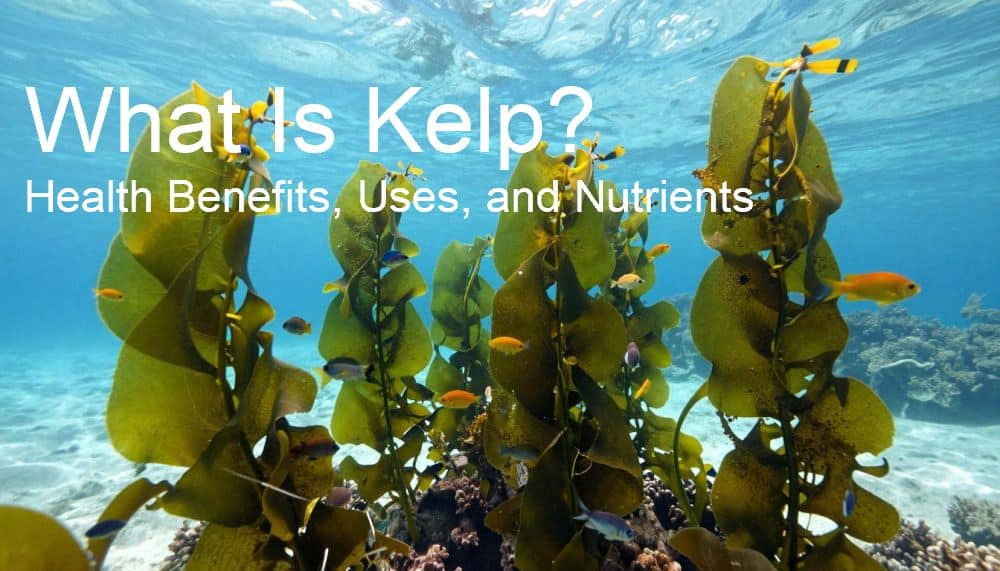
Exploring kelp, we discover it’s not just a simple seaweed but a complex marine ecosystem that is vital for our planet’s health. Kelp is a type of brown seaweed that has been a part of marine ecosystems for centuries.
Defining Kelp: A Type of Brown Seaweed
Kelp is categorized under brown seaweed due to its high fucoxanthin content, which gives it a brown color. It’s a marine algae that grows in cold waters, typically in shallow, coastal areas.
Common Varieties of Kelp
There are several varieties of kelp, with Macrocystis pyrifera, known as giant kelp, being one of the most recognized. Other types include Laminaria and Saccharina, each with its unique characteristics and uses.
Kelp Forests: Vital Marine Ecosystems
Kelp forests are underwater ecosystems formed by kelp. These forests are crucial for marine biodiversity, providing habitat for numerous species, from fish and invertebrates to microorganisms. They play a significant role in the ocean’s health and are vital for the planet’s ecological balance.
The Impressive Nutritional Profile of Kelp
With its impressive array of vitamins, minerals, and bioactive compounds, kelp is a nutritional powerhouse. Kelp’s nutrient-rich composition makes it an excellent addition to a healthy diet, providing numerous health benefits.
Kelp as an Excellent Source of Iodine
Kelp is particularly noted for its high iodine content, a mineral crucial for thyroid function. “Iodine is essential for the production of thyroid hormones, which regulate metabolism, growth, and development,” making kelp an excellent dietary source for maintaining thyroid health. The iodine in kelp helps support the thyroid gland, ensuring proper metabolic function.
Essential Vitamins and Minerals Found in Kelp
Beyond iodine, kelp is rich in various essential vitamins and minerals, including vitamin K, calcium, and iron. These nutrients contribute to overall health, supporting bone health, and aiding in the proper functioning of the body’s systems. Kelp’s diverse nutritional profile makes it a valuable component of a balanced diet.
Unique Bioactive Compounds in Kelp
Kelp also contains unique bioactive compounds, such as fucoidan, which have been studied for their potential health benefits. These compounds may offer antioxidant, anti-inflammatory, and immune-modulating effects, further enhancing kelp’s nutritional value.
The combination of iodine, essential vitamins and minerals, and bioactive compounds in kelp underscores its status as a nutrient-rich superfood. Incorporating kelp into one’s diet can provide a range of health benefits, from supporting thyroid function to promoting overall well-being.
Health Benefits of Kelp
Rich in vitamins, minerals, and antioxidants, kelp is recognized for its potential to enhance overall health and wellbeing. The diverse nutritional profile of kelp makes it a valuable addition to a balanced diet, supporting various aspects of health.
Kelp and Thyroid Health
Kelp is an excellent source of iodine, a crucial element for thyroid health. The thyroid gland relies on iodine to produce hormones that regulate metabolism, growth, and development. Consuming kelp can help support thyroid function and may alleviate symptoms associated with iodine deficiency.
Bone Health and Vitamin K
Kelp contains vitamin K, a nutrient essential for bone health. Vitamin K plays a critical role in bone mineralization and density, potentially reducing the risk of osteoporosis and fractures. Including kelp in one’s diet can contribute to maintaining strong bones.
Gut Health and Digestive Benefits
The fiber content in kelp can support gut health by promoting a healthy gut microbiome. A balanced gut microbiome is vital for proper digestion, immune function, and overall wellbeing. Kelp may help regulate bowel movements and alleviate symptoms of digestive disorders.
Brain Health and Cognitive Function
Kelp’s nutritional profile includes elements that may support brain health and cognitive function. The antioxidants and other bioactive compounds in kelp can help protect against oxidative stress and inflammation, potentially improving cognitive performance and reducing the risk of neurodegenerative diseases.
Cardiovascular and Metabolic Health Support
Kelp has been found to support cardiovascular and metabolic health. The fiber, vitamins, and minerals in kelp can help regulate blood lipid profiles, improve insulin sensitivity, and support overall heart health. Incorporating kelp into one’s diet may contribute to a reduced risk of cardiovascular diseases and metabolic disorders.
| Health Benefit | Nutrient Involved | Potential Outcome |
|---|---|---|
| Thyroid Health | Iodine | Supports thyroid function |
| Bone Health | Vitamin K | Maintains bone density |
| Gut Health | Fiber | Promotes healthy gut microbiome |
| Brain Health | Antioxidants | Protects against oxidative stress |
| Cardiovascular Health | Fiber, Vitamins, Minerals | Regulates blood lipid profiles |
Ways to Incorporate Kelp Into Your Diet
Incorporating kelp into your diet can be a simple and delicious way to boost your nutritional intake. Kelp is available in various forms, making it easy to add to your meals.
Dried and Fresh Kelp Products
Dried kelp is a popular choice for adding to soups, stews, and salads. It can be rehydrated for use in recipes or used as a seasoning. Fresh kelp, on the other hand, can be used in salads or as a wrap.
Kelp Noodles and Prepared Foods
Kelp noodles are a great low-carb alternative to traditional noodles. They can be used in a variety of dishes, from stir-fries to salads. Other prepared foods like kelp chips and kelp-based snacks are also available.
Kelp Powder and Supplements
For those who prefer a more convenient option, kelp powder and supplements are available. Kelp powder can be added to smoothies or used as a seasoning, while supplements offer a concentrated dose of kelp’s nutrients.
Simple Recipes Using Kelp
Try making a simple kelp salad by mixing rehydrated dried kelp with vegetables and a homemade dressing. You can also add kelp powder to your favorite smoothie recipe for an extra nutritional boost.
| Recipe | Ingredients | Instructions |
|---|---|---|
| Kelp Salad | Dried kelp, vegetables, dressing | Rehydrate kelp, mix with vegetables and dressing |
| Kelp Smoothie | Kelp powder, favorite fruits, milk | Blend kelp powder with fruits and milk |
Potential Concerns When Consuming Kelp
While kelp offers numerous health benefits, there are several concerns to be aware of when consuming it. As with any food or supplement rich in nutrients, moderation is key to avoiding potential adverse effects.
Iodine Content: Finding the Right Balance
Kelp is exceptionally rich in iodine, an essential nutrient for thyroid function. However, excessive iodine consumption can lead to thyroid dysfunction, including both hypothyroidism and hyperthyroidism. It’s crucial to be mindful of the amount of iodine you’re consuming, especially if you have pre-existing thyroid issues.
Heavy Metals in Kelp Products
Some kelp products may contain heavy metals like arsenic, cadmium, and lead, which can accumulate in the body and cause harm. The levels of these contaminants can vary widely depending on the source and processing of the kelp.
Who Should Exercise Caution with Kelp
Certain individuals should be cautious when consuming kelp, including those with thyroid disorders, pregnant or breastfeeding women, and people on certain medications. It’s always best to consult with a healthcare provider before adding kelp or kelp supplements to your diet.
Conclusion: Boost Your Health with Kelp
Kelp is a nutritional powerhouse that offers numerous health benefits, making it an excellent addition to a balanced diet. By understanding the various types of kelp, its nutritional profile, and the potential health benefits, individuals can reap the benefits of this marine superfood.
Incorporating kelp into daily meals can be simple, whether through dried and fresh kelp products, kelp noodles, or supplements. The health benefits of kelp range from supporting thyroid health to promoting bone health and cognitive function. As with any food, being mindful of the potential concerns, such as iodine content and heavy metals, is crucial.
By making informed choices, individuals can boost their health with kelp, enjoying its nutritional benefits while minimizing potential risks. With its rich nutritional profile and versatility in cooking, kelp is a valuable resource for those seeking to enhance their overall well-being.