






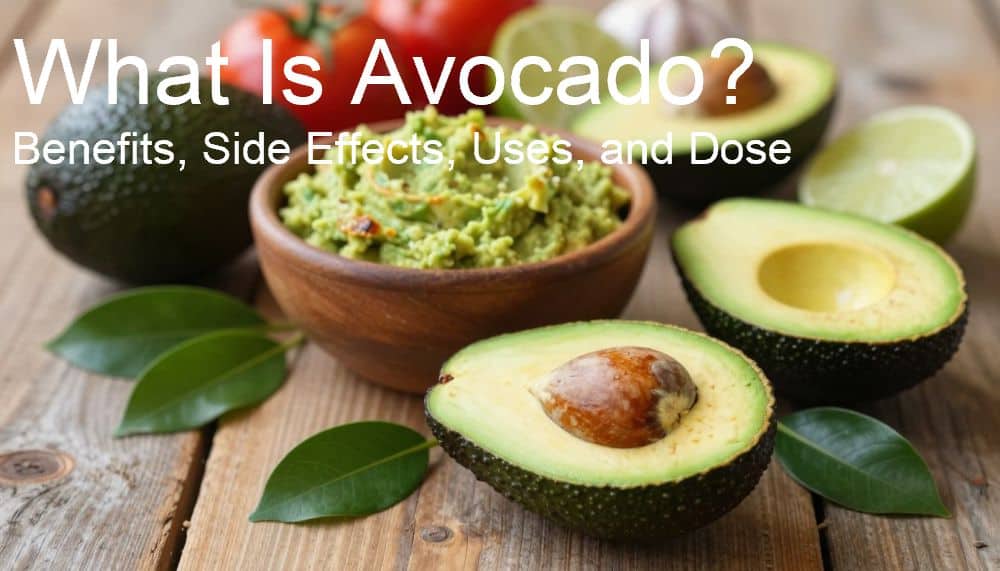

Welcome to the world of a creamy superfruit that has taken American kitchens by storm. Known for its rich texture, this green gem offers incredible health benefits for your heart and skin. It is packed with a specific vitamin profile that supports your immune system and overall energy levels.
This green marvel, often called an avocado, provides a high amount of dietary fiber. This helps with digestion while keeping you full for longer periods. You will also find that it contains healthy fat, which is essential for nutrient absorption.
Many people use avocado oil as a nutritious alternative for cooking at high temperatures. Regular consumption can even help manage your cholesterol levels naturally. Learning how to use this versatile fruit properly can transform your daily meals.
Key Takeaways
- Provides heart-healthy monounsaturated fats.
- High fiber content supports better digestive health.
- Contains essential vitamins like K, C, and E.
- Helps maintain healthy cholesterol levels naturally.
- Versatile fruit used in both cooking and skincare.
- Nutrient-dense oil option for high-heat recipes.
1. What Is an Avocado?
With its rich history and diverse uses, the avocado is a fruit worth exploring in depth. Avocados have been a staple food in many cultures, particularly in Central and South America, where they originated.
The Avocado Tree and Fruit Origins
The avocado tree, scientifically known as Persea americana, is native to the Americas. It is believed to have originated in the region between southern Mexico and central America. The fruit of the avocado tree is a nutrient-rich food that has been consumed for thousands of years.
The history of avocado cultivation dates back to around 7,000 BCE, with evidence of avocado consumption found in ancient Mesoamerican cultures. The fruit was not only a food source but also held cultural and symbolic significance.
Botanical Classification of Avocado
Avocados belong to the family Lauraceae and are classified under the genus Persea. The fruit is a large berry that contains a single seed, surrounded by a fleshy outer layer. This classification highlights the unique characteristics of avocados among other fruits.
Popular Avocado Varieties: Hass Avocado and Beyond
Among the many varieties of avocados, the Hass avocado is one of the most popular. It is known for its dark green, bumpy skin and creamy, nutrient-rich flesh. Other popular varieties include Fuerte, Bacon, and Pinkerton, each with its unique characteristics and flavors.
The diversity in avocado varieties allows consumers to choose based on taste preferences, texture, and nutritional needs.
What Makes Avocado Unique Among Fruits
Avocados stand out due to their high content of monounsaturated fats, which are considered healthy fats. They are also a rich source of various essential nutrients, including potassium, vitamins, and minerals. The unique combination of nutrients in avocados contributes to their numerous health benefits.
2. Avocado Nutrition Facts and Nutritional Profile
The nutritional profile of avocados is as impressive as it is beneficial for overall health. Avocados are a rich source of various essential nutrients, making them a valuable addition to a balanced diet.
Calories and Macronutrients in One Medium Avocado
A medium avocado typically contains around 160 calories, with the majority coming from fats. Understanding the macronutrient breakdown is crucial for appreciating the fruit’s nutritional value.
Fat Content in Avocados
Avocados are predominantly known for their high fat content, but it’s essential to note that these are primarily healthy fats. A medium avocado contains about 14.7 grams of fat, most of which are monounsaturated fats.
Protein and Carbohydrate Content
In addition to their fat content, avocados also contain protein and carbohydrates. A medium avocado has approximately 2 grams of protein and 8.5 grams of carbohydrates, with 7 grams being fiber.
Vitamins Found in Avocados
Avocados are a good source of various vitamins that are essential for maintaining good health. These vitamins play critical roles in different bodily functions, from immune response to eye health.
Vitamin C, E, and K
Avocados contain vitamins C, E, and K, which are important for immune function, antioxidant activity, and blood clotting, respectively. Vitamin C is also crucial for the absorption of iron, while vitamin E acts as an antioxidant, protecting cells from damage.
“The nutrient-dense profile of avocados makes them an excellent choice for those looking to enhance their dietary intake of essential vitamins and minerals.”
B Vitamins and Folate
Avocados are also a source of several B vitamins, including folate, which is vital for cell division and the prevention of certain birth defects. Folate is particularly important for pregnant women, as it supports fetal development.
Mineral Content: Potassium, Magnesium, and More
Avocados are rich in minerals such as potassium and magnesium. Potassium helps regulate blood pressure, while magnesium is crucial for muscle and nerve function, as well as bone health.
| Mineral | Amount in 1 Medium Avocado | % Daily Value |
|---|---|---|
| Potassium | 708 mg | 14% |
| Magnesium | 59 mg | 15% |
Fiber in Avocado
One of the significant nutritional benefits of avocados is their high fiber content. A medium avocado contains about 10 grams of fiber, which can help with digestion and satiety.
As shown in the nutritional breakdown, avocados are a nutrient-dense food that provides a range of essential vitamins, minerals, and healthy fats. Incorporating avocados into your diet can have numerous health benefits, from supporting heart health to aiding in weight management.
3. Health Benefits of Avocado
Rich in various nutrients and healthy fats, avocados have been associated with several health benefits, making them a valuable addition to a balanced diet. The unique combination of nutrients in avocados supports overall health and well-being in multiple ways.
Avocados Are Packed with Monounsaturated Fats
Avocados are an excellent source of monounsaturated fats, which are considered healthy fats. These fats are known to help lower the level of bad cholesterol in the blood, thereby reducing the risk of heart disease.
Why Healthy Fats in Avocado Matter
The healthy fats in avocados not only support heart health but also play a crucial role in the absorption of fat-soluble vitamins such as vitamins A, D, E, and K. This makes avocados a nutrient-dense food choice.
Avocados Are a Good Source of Essential Nutrients
Avocados are a rich source of various essential nutrients, including potassium, magnesium, and fiber. These nutrients are vital for maintaining healthy blood pressure, bone health, and digestive function.
| Nutrient | Amount per Medium Avocado | Health Benefit |
|---|---|---|
| Potassium | 708 mg | Supports healthy blood pressure |
| Magnesium | 59 mg | Important for bone health and energy production |
| Fiber | 10 grams | Aids in digestion and satiety |
Antioxidant Properties: Lutein and Zeaxanthin
Avocados contain antioxidants like lutein and zeaxanthin, which are particularly beneficial for eye health. These compounds help protect the eyes from damage caused by blue light and reduce the risk of age-related macular degeneration.
How Avocados May Help with Nutrient Absorption
The healthy fats in avocados enhance the absorption of nutrients from other foods, making them a great addition to salads and other meals. This property is especially beneficial for individuals looking to maximize their nutrient intake.
Overall Health and Well-Being Benefits
The cumulative effect of the nutrients and healthy fats in avocados contributes to overall health and well-being. Regular consumption of avocados can support heart health, improve digestion, and even aid in weight management.
4. Avocado and Heart Health Benefits
Avocado consumption is associated with various heart health benefits, making it a valuable addition to a heart-healthy diet. The nutrients found in avocados play a crucial role in supporting cardiovascular health.
How Avocados Can Help Lower Cholesterol Levels
Avocados are rich in monounsaturated fats, which are known to help lower LDL (bad) cholesterol levels. The reduction in LDL cholesterol can significantly decrease the risk of heart disease. Studies have shown that individuals who consume avocados regularly tend to have better cholesterol profiles compared to those who do not.
A study published in a reputable journal found that avocado consumers had lower levels of LDL cholesterol and higher levels of HDL (good) cholesterol. This balance is crucial for maintaining heart health.
Reducing the Risk of Heart Disease
The nutrients in avocados, including monounsaturated fats, fiber, and potassium, work together to reduce the risk of heart disease. By incorporating avocados into a balanced diet, individuals can take a proactive step towards heart health.
“A diet rich in fruits, vegetables, and healthy fats, such as those found in avocados, can help mitigate the risk factors associated with heart disease.”
Monounsaturated Fatty Acids and Cardiovascular Health
Monounsaturated fatty acids (MUFAs) are a key component of avocados. These healthy fats have been shown to improve cardiovascular health by reducing inflammation and improving lipid profiles.
| Benefit | Description |
|---|---|
| Improves Lipid Profile | MUFAs help lower LDL cholesterol and increase HDL cholesterol. |
| Reduces Inflammation | MUFAs have anti-inflammatory properties that benefit cardiovascular health. |
Potassium’s Role in Heart Health
Avocados are a good source of potassium, an essential mineral that helps maintain healthy blood pressure. Potassium counteracts the effects of sodium and helps relax blood vessel walls, improving blood flow and reducing pressure on the heart.
Potassium’s role in heart health is multifaceted, contributing to overall cardiovascular well-being.
Research Findings: National Health and Nutrition Examination Survey
Research based on data from the National Health and Nutrition Examination Survey (NHANES) has provided insights into the health benefits of avocado consumption. Studies have found associations between avocado consumption and improved heart health outcomes.
The findings from NHANES data support the inclusion of avocados in a heart-healthy diet, highlighting their potential to contribute to overall cardiovascular health.
5. Avocado for Weight Management and Diabetes Control
The nutrient-rich profile of avocados makes them an excellent addition to diets focused on weight management and diabetes control. Avocados are rich in healthy fats and fiber, which are key components in managing weight and regulating blood sugar levels.
How Eating Avocado Supports Satiety and Weight Control
Eating avocados can help individuals feel fuller for longer due to their high fiber and healthy fat content. This satiety effect is crucial for weight management as it reduces the likelihood of overeating.
Key components that contribute to satiety include:
- High fiber content
- Healthy fats that slow down digestion
- Nutrient-dense profile that supports overall health
A study published in the Nutrition Journal found that participants who included avocado in their meals reported greater satisfaction and less desire to eat more frequently throughout the day.
Avocados May Help Regulate Blood Sugar Levels
Avocados contain monounsaturated fats, which have been shown to improve insulin sensitivity. Improved insulin sensitivity helps regulate blood sugar levels, reducing the risk of developing type 2 diabetes.
“The inclusion of avocado in a meal can potentially mitigate the postprandial blood glucose spike, thereby aiding in the management of diabetes.”
Nutrition Research, Volume 66
Benefits of Avocado Consumption for Diabetes Management
For individuals managing diabetes, incorporating avocados into their diet can offer several benefits, including improved glycemic control and enhanced nutrient intake.
| Nutrient | Benefit for Diabetes Management |
|---|---|
| Fiber | Slows down sugar absorption, reducing blood sugar spikes |
| Healthy Fats | Improves insulin sensitivity |
| Antioxidants | Reduces oxidative stress associated with diabetes complications |
The Role of Fiber and Healthy Fats in Metabolic Health
The combination of fiber and healthy fats in avocados plays a significant role in supporting metabolic health. Fiber aids in digestion and satiety, while healthy fats contribute to improved insulin sensitivity and energy production.
By incorporating avocados into a balanced diet, individuals can potentially improve their metabolic health, supporting weight management and diabetes control efforts.
6. Avocado Benefits for Eye Health, Skin Health, and Bone Health
Beyond their delicious taste, avocados are rich in nutrients that provide significant benefits for eye, skin, and bone health. The diverse range of vitamins and minerals in avocados makes them a valuable addition to a health-conscious diet.
Lutein and Zeaxanthin for Eye Health Protection
Avocados are a rich source of lutein and zeaxanthin, two carotenoids that play a crucial role in protecting eye health. These nutrients help shield the eyes from damage caused by blue light and reduce the risk of age-related macular degeneration.
Lutein and Zeaxanthin Benefits:
- Protect the eyes from blue light damage
- Reduce the risk of age-related macular degeneration
- Support overall eye health
How Avocado Promotes Healthy Skin
Avocados contribute to healthy skin through both topical application and internal consumption. The nutrient-rich profile of avocados supports skin health from the inside out.
Topical Benefits of Avocado Pulp
Avocado pulp can be used topically to moisturize and nourish the skin. The healthy fats and vitamins in avocado pulp help to hydrate and protect the skin.
Internal Skin Health Support
Consuming avocados internally provides essential nutrients that support skin health. The antioxidants and fatty acids in avocados help to maintain skin elasticity and reduce the appearance of fine lines.
Supporting Bone Health with Avocado Nutrition
Avocados contain several nutrients that are beneficial for bone health, including vitamin K, potassium, and other minerals. These nutrients work together to support bone density and reduce the risk of osteoporosis.
| Nutrient | Benefit for Bone Health |
|---|---|
| Vitamin K | Essential for bone mineralization and density |
| Potassium | Helps maintain bone health by reducing calcium loss |
| Magnesium | Plays a role in bone mineralization and density |
Vitamin K and Other Bone-Supporting Nutrients
Vitamin K in avocados is crucial for bone health as it helps in the activation of proteins necessary for bone mineralization. Other nutrients like magnesium and potassium also contribute to maintaining strong bones.
By incorporating avocados into your diet, you can support your overall health, including the health of your eyes, skin, and bones.
7. Avocado and Gut Health Benefits
Avocados are increasingly recognized for their potential benefits to gut health, extending their nutritional value beyond their well-known heart health advantages. The nutrient-rich composition of avocados, including their high fiber content and healthy fats, plays a significant role in supporting a balanced digestive system.
How Avocados Help Your Digestive System
The digestive system is a complex process that involves the breakdown and absorption of nutrients from the food we eat. Avocados contribute to this process by providing monounsaturated fats and dietary fiber, which help in maintaining a healthy gut. The fiber in avocados aids in the smooth movement of food through the digestive tract, preventing constipation and ensuring regular bowel movements.
Fiber Content and Digestive Function
A medium-sized avocado contains a significant amount of dietary fiber, which is crucial for healthy digestion. Fiber helps in bulking up stool and facilitating its passage through the digestive system, thereby preventing digestive disorders. Moreover, a high-fiber diet is associated with a lower risk of developing conditions like diverticulitis and hemorrhoids.
Prebiotic Effects of Avocado Consumption
Avocados are not just a good source of fiber; they also have prebiotic properties that help in nurturing the good bacteria in the gut. Prebiotics are non-digestible parts of food that promote the growth of beneficial microorganisms in the gastrointestinal tract. By consuming avocados, individuals can support the health and diversity of their gut microbiota.
Avocados May Also Improve Overall Gut Health
The combined effect of the nutrients in avocados contributes to overall gut health. By supporting the digestive system, promoting regular bowel movements, and fostering a healthy gut microbiome, avocados play a multifaceted role in maintaining gut well-being. This, in turn, can have broader health implications, including enhanced immune function and even mental health benefits.
8. Potential Side Effects and Risks of Eating Avocado
Avocados, despite their numerous health benefits, can have adverse effects on certain individuals. While they are a nutrient-rich food, it’s essential to be aware of the potential risks associated with their consumption to maximize their health benefits.
Avocado Allergy: Symptoms and Concerns
Some people may be allergic to avocados, which can cause symptoms ranging from mild oral allergy syndrome to severe reactions like anaphylaxis. Common symptoms include itching, swelling, and difficulty breathing. If you experience any of these symptoms after consuming avocado, it’s crucial to seek medical attention.
Adverse Effects of Consuming Too Much Avocado
Eating too much avocado can lead to an excessive intake of calories, potentially contributing to weight gain. Additionally, a high avocado diet may cause an imbalance of certain nutrients.
High Calorie Content Considerations
Avocados are relatively high in calories due to their fat content. A medium avocado contains approximately 322 calories. While these are healthy fats, consuming them in excess can hinder weight management efforts.
Potential Medication Interactions
Avocado consumption may interact with certain medications, such as blood thinners. The high vitamin K content in avocados can counteract the effects of anticoagulant medications.
Safety Concerns: Avocado Pit and Avocado Seed
The pit and seed of avocados are not typically considered safe for consumption in large quantities. They contain a compound called persin, which can be toxic to some animals and potentially cause gastrointestinal issues in humans.
When to Eat Avocados in Moderation
It’s recommended to consume avocados in moderation, especially for individuals watching their calorie intake or managing specific health conditions. A balanced diet that includes a variety of foods can help mitigate potential adverse effects.
| Potential Risk | Description | Precaution |
|---|---|---|
| Avocado Allergy | Allergic reactions ranging from mild to severe | Seek medical attention if symptoms occur |
| High Calorie Content | Excessive calorie intake leading to weight gain | Consume in moderation |
| Medication Interactions | Interaction with blood thinners and other medications | Consult a healthcare provider |
9. How to Use Avocado in Your Diet and Daily Life
Avocados are not just a nutritious fruit; they’re also incredibly versatile in various culinary and non-culinary uses. This versatility makes them an excellent addition to a healthy and balanced lifestyle.
Popular Culinary Uses of Avocado Fruit
Avocados can be enjoyed in numerous ways, making them a great ingredient for various dishes.
Fresh Sliced Avocado
One of the simplest ways to enjoy avocados is by slicing them fresh. They can be added to toast, sandwiches, and salads for a nutritious boost.
Guacamole and Spreads
Avocados are a key ingredient in making delicious guacamole. They can also be blended into spreads for a healthy snack.
Adding Avocado to Smoothies and Salads
Avocado adds a creamy texture to smoothies and salads, enhancing their nutritional value and flavor.
Cooking with Avocado Oil
Avocado oil is a healthy alternative for cooking due to its high smoke point and mild flavor. It’s ideal for grilling, sautéing, and making dressings.
Using Avocado for Skin and Hair Care
Avocados are not just beneficial for internal health; they also have external benefits. The nutrients in avocados can nourish the skin and hair, promoting overall wellbeing.
How to Select a Ripe Avocado
Choosing a ripe avocado is crucial for the best flavor and texture. Look for avocados that are slightly soft to the touch and have a slight give when pressed gently.
Proper Storage of Whole Avocado and Sliced Avocado
To keep avocados fresh, store them properly. Whole avocados can be stored at room temperature until ripe, then refrigerated. Sliced avocados should be stored in an airtight container with a squeeze of lemon juice to prevent browning.
10. Recommended Avocado Dose and Daily Consumption Guidelines
Determining the ideal daily dose of avocado can be crucial for maximizing its health benefits. Avocados are rich in nutrients, and understanding the right amount to consume daily is essential for incorporating them effectively into your diet.
How Much Avocado Per Day Is Ideal?
The ideal daily amount of avocado varies based on individual calorie needs and health goals. Generally, a serving size is considered to be one-third of a medium avocado, which is approximately 50 grams or 1.7 ounces.
Understanding Serving Size: One-Third of a Medium Avocado
A medium avocado typically weighs around 150 grams. Thus, one-third of it would be about 50 grams. This serving size provides a good balance of healthy fats, fiber, and essential nutrients without excessive calorie intake.
| Avocado Portion | Weight (grams) | Calories |
|---|---|---|
| One-Third Medium Avocado | 50 | 100 |
| Half Medium Avocado | 75 | 150 |
| Whole Medium Avocado | 150 | 300 |
Health Effects of Daily Avocado Consumption
Consuming avocado daily can have numerous health benefits, ranging from improved heart health to enhanced nutrient absorption. Studies have shown that daily avocado consumption can lead to significant health improvements.
One Avocado a Day Studies
Research on consuming one avocado a day has shown positive effects on cardiovascular health, including reduced LDL cholesterol levels and improved overall heart health.
Half an Avocado Daily Benefits
Eating half an avocado daily can also provide substantial health benefits, including improved nutrient intake and enhanced satiety, which can aid in weight management.
Recommendations for Different Health Goals
The daily amount of avocado can be adjusted based on specific health goals. For heart health, one avocado a day may be beneficial, while for weight management, half an avocado might be more appropriate.
Amount of Avocado for Maternal Health
For pregnant women, avocados can be a valuable source of essential nutrients. A serving size of one-third to half an avocado per day can support maternal health without excessive calorie intake.
Balancing Avocado Intake with Overall Diet
It’s crucial to balance avocado consumption with other dietary components to maintain a well-rounded diet. Avocados should complement other nutrient-dense foods rather than replace them.
In conclusion, understanding the recommended daily dose of avocado and balancing it with overall dietary needs is key to maximizing its health benefits.
11. Conclusion
Avocado is a nutrient-rich fruit that offers numerous health benefits when consumed as part of a balanced diet. The health benefits of avocado consumption are vast, ranging from supporting heart health to aiding in weight management and promoting overall well-being.
With its rich nutritional profile, including healthy fats, fiber, and essential vitamins and minerals, avocado is an excellent addition to various meals. The versatility of avocado makes it easy to incorporate into daily life, whether through culinary uses or as a natural remedy for skin and hair care.
To reap the benefits of avocado consumption, it’s essential to be mindful of portion sizes due to its high calorie content. A serving size of one-third of a medium avocado is recommended. By incorporating avocado into your diet and lifestyle, you can experience the positive impact it can have on your overall health.
As research continues to uncover the advantages of avocado consumption, it’s clear that this fruit is a valuable component of a healthy lifestyle. By making informed choices and enjoying avocado in moderation, individuals can harness its nutritional benefits and support their overall health and well-being.
FAQ
What exactly is an avocado and where does it come from?
The avocado fruit grows on the avocado tree, known botanically as *Persea americana*. While avocados are often used in savory dishes, they are technically a large berry with a single large seed. The most famous variety is the Hass avocado, known for its bumpy, dark skin and creamy texture. Originally from South Central Mexico, this unique fruit is now a staple for anyone looking to boost their overall health and well-being.
What makes the fat in avocado so special?
Unlike most fruits that are high in carbs, the fat in avocado is its standout feature. Avocados are packed with healthy fat, specifically monounsaturated fat. This type of fatty acid, similar to what is found in olive oil, is a heart-healthy nutrient that supports cardiovascular health and helps the body absorb fat-soluble vitamins.
How does avocado consumption impact heart health?
Avocado consumption is fantastic for your heart! Because an avocado contains high levels of monounsaturated fatty acids and is a good source of potassium, it helps maintain healthy blood pressure. Research, including data from the National Health and Nutrition Examination Survey, suggests that avocados can help lower “bad” LDL cholesterol levels, which may reduce the risk of developing heart disease.
What are the primary avocado nutrition facts I should know?
The avocado nutritional profile is incredibly dense. One avocado provides a wealth of vitamin C, vitamin K, vitamin E, and several B vitamins. Furthermore, avocados are a good source of fiber, which is essential for digestion. The content in avocados also includes minerals like magnesium and more potassium than a banana!
Can eating avocado help with weight management or diabetes?
Yes, avocados may help significantly. The combination of fiber and healthy fat in a medium avocado promotes satiety, helping you feel full longer. For those managing diabetes, consuming avocados can be beneficial because they have a low glycemic index and the monounsaturated fat helps regulate blood sugar levels.
Are there specific benefits of avocado for eye and skin health?
Absolutely! Avocados also contain lutein and zeaxanthin, two powerful antioxidants that are vital for eye health and protecting against age-related damage. For skin health, the avocado pulp can be used topically or eaten to provide the healthy fats and vitamins needed for a glowing complexion. Many people also use avocado oil in their beauty routines for its moisturizing properties.
How do avocados help the digestive system?
Gut health is a major area where avocados help. Because avocado is rich in both soluble and insoluble fiber, it supports regular bowel movements and acts as a prebiotic. These prebiotic effects of avocado intake help nourish the good bacteria in your microbiome, improving overall gut health.
Is it safe to eat avocado every day?
For most people, eating an avocado a day or half an avocado daily is perfectly healthy. A standard serving of avocado is actually one-third of a medium avocado. While daily avocado consumption provides numerous health benefits, it is important to eat avocados in moderation because they are calorie-dense. Also, be aware of any allergy to avocado, which can sometimes occur in individuals with latex sensitivities.
Are the avocado pit and seed safe to eat?
While some suggest that extracts of avocado from the seed have health properties, it is generally advised to avoid eating the avocado pit or avocado seed directly. The potential health benefits are still being researched, and the seed may contain compounds that cause adverse effects if consumed in large amounts. Stick to the creamy avocado pulp for the best results.
How do I choose a ripe avocado and store it properly?
To find a ripe avocado, gently squeeze it in the palm of your hand; it should yield to firm, gentle pressure. If you have a whole avocado that isn’t ripe yet, leave it on the counter. Once it’s ready, a sliced avocado should be stored with a squirt of lemon juice in an airtight container to prevent browning. Using avocado daily in salads, smoothies, or as a spread is a delicious way to enjoy the health benefits of eating this nutrient-packed fruit.
Is avocado beneficial for maternal health?
Maternal health is greatly supported by avocado nutrition. During pregnancy, the body has a higher demand for folate, potassium, and vitamin C. Avocados are considered an ideal food for expecting mothers because they provide these essential nutrients along with healthy fats that are important for fetal development. Adding avocado daily to a balanced diet can provide potential benefits for both mother and baby.